100 years of service, 100,000 hours of impact
Image File
Original HTML

100 years of service, 100,000 hours of impact

Nationwide employees have reached a significant milestone during the company's 100th anniversary year: contributing more than 100,000 volunteer hours to nonprofit organizations and community causes across the country.

Employees were challenged at the beginning of 2026 to volunteer 100,000 hours collectively, a goal rooted in Nationwide’s longstanding commitment to community involvement and company values that date back to Nationwide's earliest days. The milestone reflects volunteer service completed both through company-sponsored events and employees' personal commitments to causes and organizations that matter most to them.

“Thank you to every employee whose dedication and generosity helped make this achievement possible,” said Nationwide CEO Kirt Walker. “Whether volunteering through a Nationwide-sponsored event or supporting a cause close to home, each hour made a difference—and together, those individual acts of service created a lasting impact in communities across the country.”

Making a difference, one community at a time 

For the nonprofit partners, the value of those volunteer hours extends well beyond the numbers. 

The Mid-Ohio Food Collective, part of the Feeding America network, received the most volunteer support from Nationwide employees this year with more than 6,000 volunteer hours. Earlier this year, Nationwide employees came together for a service event, packing shelf-stable food boxes that helped provide meals for nearly 1,000 Central Ohio seniors experiencing food insecurity.

"Nationwide continues to be one of Mid-Ohio Food Collective's most valued partners, not only through its philanthropy but through the extraordinary commitment of its associates," said Matt Habash, president and CEO of Mid-Ohio Food Collective. "Their dedication helps expand our reach, strengthen our impact, and move us closer to a future where no one in our community has to worry about where their next meal will come from. We are deeply grateful for Nationwide's leadership and unwavering support."

United Way of Central Iowa was another top nonprofit partner for Nationwide volunteers this year. Employees contributed their time to a variety of initiatives supporting health, youth opportunities and financial security throughout the region.

"Reaching 100,000 volunteer hours is a remarkable achievement that reflects Nationwide's deep commitment to the communities it serves," said Mary Sellers, president of United Way of Central Iowa. "The time, talent and dedication of Nationwide employees have made a meaningful difference across central Iowa, and we're proud to partner with an organization that consistently invests in helping others and strengthening our community."

Building on a century of caring 

Nationwide employees have played an active role in strengthening the communities where they live and work. Today, that tradition continues through volunteerism, charitable giving and community partnerships.  

“At Nationwide, protecting what matters most extends beyond the products and services we provide. It means showing up for the communities where we live and work. Reaching 100,000 volunteer hours in our centennial year is a powerful reflection of our employees’ generosity and our longstanding commitment to caring for others,” said Walker.

This year's achievement was made possible by thousands of employee volunteers, including 146 employees who have individually contributed more than 100 hours of volunteer service.

Visit Nationwide’s giving page for more information about how the company and its associates combine philanthropy, workplace giving and volunteerism to make an impact.

Class (B2B/B2C)
B2B
Ingest Status
Need Review
Dedupe hash
619ee481e62c88c818d38a0aa83fde06
Press Eligible
Yes
Press Eligible Reason
Manuelle Prüfung nötig. Risiko: MEDIUM. Flags: ['numbers']. Stichprobe: False
Source Name
Nationwide
Original Summary

<p style="margin-left: 0px; text-align: left;"><span style="margin: 0px; padding: 0px;">Nationwide employees have reached a significant milestone during the company's 100th anniversary year: contributing more than 100,000 volunteer hours to nonprofit organizations and community causes across the country. </span></p><p style="margin-left: 0px; text-align: left;"><span style="margin: 0px; padding: 0px;">Employees were challenged at the beginning of 2026 to volunteer 100,000 hours collectively, a goal rooted in Nationwide’s longstanding commitment to community involvement and company values that date back to Nationwide's earliest days. The milestone reflects volunteer service completed both through company-sponsored events and employees' personal commitments to causes and organizations that matter most to them. </span></p><p style="margin-left: 0px; text-align: left;"><span style="margin: 0px; padding: 0px;">“Thank you to every employee whose dedication and generosity helped make this ach

Image URL
https://content.presspage.com/uploads/2497/f329ea4b-ca73-446a-b528-43cbb1c9bce0/1920_10773_6221.jpg?10000
Source Node
Generated Article_json
{"target_audience": "b2b", "is_medical": false, "ai_generated_title": "Nationwide Employees Log 100,000 Volunteer Hours in Centennial Year", "body_html": "<p><strong>United States -- [CURRENT_DATE] --</strong> Nationwide employees have contributed more than 100,000 volunteer hours to nonprofit organizations and community causes during the company's 100th anniversary year, meeting a collective goal set at the start of 2026.</p><p>The hours cover both company-sponsored events and employees' personal volunteer commitments to causes of their choice. CEO Kirt Walker said each hour made a difference and that individual acts of service added up to a lasting impact in communities across the country.</p><h5>Mid-Ohio Food Collective received more than 6,000 hours from Nationwide volunteers</h5><p>The Mid-Ohio Food Collective, part of the Feeding America network, received the most Nationwide volunteer support this year. At a service event earlier in 2026, employees packed shelf-stable food boxes that provided meals for nearly 1,000 Central Ohio seniors experiencing food insecurity.</p><p>Matt Habash, president and CEO of the Mid-Ohio Food Collective, described Nationwide as one of the organization's most valued partners, citing both its philanthropy and its employees' commitment.</p><h5>United Way of Central Iowa ranks among top nonprofit partners for Nationwide volunteers</h5><p>Nationwide employees supported initiatives in health, youth opportunities and financial security across the Central Iowa region. United Way of Central Iowa President Mary Sellers said the volunteers' time and talent made a meaningful difference in the area.</p><h5>146 employees individually surpassed 100 volunteer hours</h5><p>Thousands of employee volunteers contributed to the total, including 146 who each logged more than 100 hours of service. Nationwide combines philanthropy, workplace giving and volunteerism in its community programs.</p>", "meta_description": "Nationwide employees surpassed 100,000 volunteer hours in 2026, its 100th anniversary year, with the Mid-Ohio Food Collective receiving over 6,000 hours.", "seo_keywords": "Nationwide, volunteer hours, corporate volunteering, 100th anniversary, Mid-Ohio Food Collective, United Way of Central Iowa, employee engagement, Kirt Walker", "companies": ["Nationwide", "Mid-Ohio Food Collective", "United Way of Central Iowa"], "industries": ["Financial Services"], "markets_regions": ["United States"], "news_type": ["corporate_announcement"], "products": [], "themes": ["corporate_social_responsibility", "employee_engagement"], "events": [], "cta_text": "Learn more about how Nationwide combines philanthropy, workplace giving and volunteerism", "learn_more": "", "fact_check": {"accuracy_score": 100, "legal_risk": "low", "corrections_made": [], "recommendation": "publish"}}
Content Hash (SHA-256, erste 32 hex)
4ea5b847fb3818abd4bdf52c200696df
Half of Current GLP-1 Users Say They May Have to Choose Between Medication and Retirement Savings
Image File
Original HTML

Half of Current GLP-1 Users Say They May Have to Choose Between Medication and Retirement Savings

New Nationwide survey finds nearly nine in 10 users are optimistic about their long-term health, even as medication costs create new financial and retirement planning challenges.

- Half of GLP-1 users worry they may have to choose between paying for their medication and saving enough for retirement.

- Nearly six in 10 (59%) say the expected health benefits of GLP-1s make them feel less pressure to increase their retirement savings.

- More than half (57%) say those benefits make them less concerned about needing additional health or long-term care insurance in the future.

- Nearly six in 10 (59%) current users expect a financial professional to advise them on the financial impact of GLP-1 medications or other health innovations.

Columbus, OH – GLP-1 medications are giving Americans greater optimism about living longer, healthier lives, but their cost is also creating a new retirement challenge. A new survey from Nationwide Retirement Institute finds 51% of current GLP-1 users worry they may have to choose between paying for their medication and saving enough for retirement. Nearly a quarter (24%) say maintaining access to their medication is more important than increasing their retirement savings.

These tradeoffs are already affecting decisions that could have financial consequences long after today's prescription is paid. More than half (54%) of current GLP-1 users have already changed their financial behaviors, including 17% who have taken on debt, such as credit cards or loans; 14% who have withdrawn money from savings, investments or retirement accounts; and 14% who have reduced their retirement contributions or investments.

For many users, the expected health benefits may make those financial pressures feel worth it. Nearly nine in 10 (88%) current users say taking a GLP-1 makes them feel more optimistic about their long-term health, and 64% say they may retire later because taking the medication makes them feel healthier.

“Medical innovation is changing how we think about living longer and healthier, and that’s a good thing. But living longer also means your money may need to last longer,” said Kristi Martin Rodriguez, leader of the Nationwide Retirement Institute. “If what you’re spending on your health today is competing with what you’re saving for tomorrow, that needs to be part of the financial planning conversation.”

Longer, Healthier Lives Bring New Retirement Challenges

The possibility of better long-term health creates its own financial planning challenge: preparing for a potentially longer retirement. More than half (56%) of current users say they may need more money for future healthcare expenses if they live longer, while nearly half (49%) say the possibility of living longer makes them less confident in their retirement plan.

For people who continue GLP-1 treatment over time (many will for the rest of their lives), the ongoing cost of the treatment adds another layer of uncertainty. Nearly six in 10 (59%) current users worry about being able to afford GLP-1 medication in retirement. Current users whose medication is not entirely covered by insurance pay an average of $203 out of pocket each month.

Despite those concerns, the health benefits users expect from GLP-1s may be reducing the urgency they feel to prepare financially. Nearly six in 10 (59%) say the expected health benefits of GLP-1s make them feel less pressure to increase their retirement savings. Similarly, 57% say the expected health benefits make them less concerned about needing additional health or long-term care insurance in the future.

Together, these findings point to a potential planning gap: GLP-1 users are increasingly optimistic about living healthier, longer lives, even as many may be financially unprepared for the additional years those health benefits could bring.

A New Conversation for Retirement Planning

As GLP-1s and other medical innovations reshape expectations for health and longevity, they are also creating new conversations for retirement planning. Nearly six in 10 (59%) current users expect a financial professional to advise them on the financial impact of GLP-1 medications or other health innovations, yet 47% have never discussed the topic with an advisor.

“The connection between health and wealth has never been more apparent than with the rise of GLP-1 medications,” Rodriguez said. “These drugs offer the potential for a longer, healthier life, but they also come with financial implications that we can't ignore. It's time to have a conversation about how the expense and benefits of these drugs impact our financial decisions today and our long-term financial outlook. Retirement savers trying to strike this balance should be intentional in creating a plan with a trusted financial advisor that keeps saving for the future on track to prepare for a longer, healthier retirement.”

To help financial professionals guide these conversations, Nationwide’s Health Care Cost Assessment tool uses proprietary health risk analysis and updated actuarial cost data to help financial professionals and clients estimate future medical and long-term care expenses.

To learn more about the 2026 Nationwide Retirement Institute Health Care Costs in Retirement consumer survey, visit www.nationwide.com/healthcarecostshttp://www.nationwide.com/healthcarecosts. In addition, financial professionals can visit www.nationwide.com/simplifyhealthcarecostshttp://www.nationwide.com/simplifyhealthcarecosts to learn more.

For additional insights see Kristi Rodriguez’s blog and this infographic.

Methodology

The research was conducted online in the U.S. by The Harris Poll on behalf of Nationwide among 1,933 adults age 18+, including 467 Gen Z (age 18-28), 500 Millennials (age 29-44), 510 Gen Xers (age 45-60), and 456 Boomers+ (age 61+).  509 current GLP-1 users and 364 former users were also collected. The survey was conducted July 20-August 4, 2026. 

Data are weighted where necessary by age by gender, race/ethnicity, region, education, marital status (not included for Gen Z), household size, household income, and political affiliation to bring them in line with their actual proportions in the population. To ensure the national sample was representative, the data were initially weighted by generation (Gen Z 18-28, Millennials 29-44, Gen Xers 45-60, and Boomers+ 61+) and then combined into a total age 18+ group.

Data for GLP-1 current and former GLP-1 users, were weighted as needed by education, age by gender, race/ethnicity, region, household income, size of household, marital status, employment, and political party affiliation.

Respondents for this survey were selected from among those who agreed to participate in our surveys. The sampling precision of Harris online polls is measured by using a Bayesian credible interval. For this study, the sample data is accurate to within ± 2.2 percentage points using a 95% confidence level. This credible interval will be wider among subsets of the surveyed population of interest.

All sample surveys and polls, whether or not they use probability sampling, are subject to other multiple sources of error which are most often not possible to quantify or estimate, including, but not limited to coverage error, error associated with nonresponse, error associated with question wording and response options, and post-survey weighting and adjustments.

Nationwide, a Fortune 100 company based in Columbus, Ohio, is one of the largest and strongest diversified financial services and insurance organizations in the United States. Nationwide is rated A+ by Standard & Poor’s. An industry leader in driving customer-focused innovation, Nationwide provides a full range of insurance and financial services products including auto, business, homeowners, farm and life insurance; public and private sector retirement plans, annuities and mutual funds; excess & surplus, specialty and surety; and pet, motorcycle and boat insurance.

This material is not a recommendation to buy, sell, hold, or rollover any asset, adopt an investment strategy, retain a specific investment manager, or use a particular account type. It does not take into account the specific investment objectives, tax and financial condition or particular needs of any specific person. Investors should work with their financial professional to discuss their specific situation.

This information is general in nature and is not intended to be tax, legal, accounting, or other professional advice. The information provided is based on current laws, which are subject to change at any time, and has not been endorsed by any government agency.

Nationwide and The Harris Poll are separate and non-affiliated companies.

Nationwide Investment Services Corporation (NISC), member FINRA, Columbus, OH. Nationwide Retirement Institute is a division of NISC.

Nationwide, Nationwide is on your side and the Nationwide N and Eagle are service marks of Nationwide Mutual Insurance Company. © 2026

NFM-25797AO

Class (B2B/B2C)
B2B
Ingest Status
Need Review
Dedupe hash
23c8bf07be5ca0d74de043b3dcb3666f
Press Eligible
Yes
Press Eligible Reason
Manuelle Prüfung nötig. Risiko: HIGH. Flags: ['finance', 'numbers']. Stichprobe: False
Source Name
Nationwide
Original Summary

<p>Columbus, OH <span>– GLP-1 medications are giving Americans greater optimism about living longer, healthier lives, but their cost is also creating a new retirement challenge. A </span><a href="https://nationwidefinancial.com/media/pdf/NFM-21188M1.pdf"><span>new survey</span></a><span> from Nationwide Retirement Institute finds 51% of current GLP-1 users worry they may have to choose between paying for their medication and saving enough for retirement. Nearly a quarter (24%) say maintaining access to their medication is more important than increasing their retirement savings.</span></p><p><span>These tradeoffs are already affecting decisions that could have financial consequences long after today's prescription is paid. More than half (54%) of current GLP-1 users have already changed their financial behaviors, including 17% who have taken on debt, such as credit cards or loans; 14% who have withdrawn money from savings, investments or retirement accounts; and 14% who have reduced the

Image URL
https://content.presspage.com/uploads/2497/27747357-db3f-4c1d-889d-d6f5ce3803a0/1920_adobestock_285623428.jpeg?10000
Source Node
Generated Article_json
{"target_audience": "b2b", "is_medical": false, "ai_generated_title": "Half of GLP-1 Users Fear Choosing Between Drugs and Retirement", "body_html": "<p><strong>Columbus -- [CURRENT_DATE] --</strong> Fifty-one percent of current GLP-1 users worry they may have to choose between paying for their medication and saving enough for retirement, according to a Nationwide Retirement Institute survey. Nearly a quarter (24%) say maintaining access to the medication matters more than increasing retirement savings.</p><h5>Majority of users have already changed financial behavior</h5><p>More than half (54%) of current GLP-1 users have altered their financial behavior. Seventeen percent have taken on debt such as credit cards or loans. Another 14% have withdrawn money from savings, investments or retirement accounts, and 14% have reduced retirement contributions or investments.</p><p>Current users whose medication is not fully covered by insurance pay an average of $203 out of pocket each month. Nearly six in 10 (59%) worry about affording GLP-1 medication in retirement.</p><h5>Health optimism reduces urgency to save</h5><p>Eighty-eight percent of current users say GLP-1s make them more optimistic about their long-term health, and 64% say they may retire later because they feel healthier. Fifty-nine percent say expected health benefits ease the pressure to increase retirement savings. Fifty-seven percent say those benefits make them less concerned about needing additional health or long-term care insurance.</p><p>Longevity also raises cost concerns. Fifty-six percent say they may need more money for future healthcare expenses if they live longer, and 49% say the prospect of a longer life makes them less confident in their retirement plan.</p><p>Nationwide describes the combination as a potential planning gap: users expect longer, healthier lives but may be financially unprepared for the additional years.</p><h5>Advisors face unmet demand for GLP-1 guidance</h5><p>Fifty-nine percent of current users expect a financial professional to advise them on the financial impact of GLP-1 medications or other health innovations. Yet 47% have never discussed the topic with an advisor.</p><p>Kristi Martin Rodriguez, leader of the Nationwide Retirement Institute, said spending on health today that competes with savings for tomorrow needs to be part of the financial planning conversation.</p><p>Nationwide's Health Care Cost Assessment tool uses proprietary health risk analysis and updated actuarial cost data to help financial professionals and clients estimate future medical and long-term care expenses.</p><h5>Survey covers 1,933 adults, including 509 current users</h5><p>The Harris Poll conducted the online survey for Nationwide among 1,933 U.S. adults aged 18 and older from July 20 to August 4, 2026. The sample included 509 current GLP-1 users and 364 former users. The sample data is accurate to within ±2.2 percentage points at a 95% confidence level, and the interval is wider for subsets.</p>", "meta_description": "Nationwide survey: 51% of GLP-1 users fear choosing between medication and retirement savings, while 47% have never discussed the issue with a financial advisor.", "seo_keywords": "GLP-1, retirement savings, Nationwide Retirement Institute, healthcare costs, financial advisors, Harris Poll, retirement planning, long-term care", "companies": ["Nationwide", "The Harris Poll"], "industries": ["Finance & Investment"], "markets_regions": ["United States"], "news_type": ["research_report", "market_analysis"], "products": ["Health Care Cost Assessment"], "themes": ["retirement_planning", "healthcare_costs", "consumer_finance"], "events": [], "cta_text": "Read the 2026 Nationwide Retirement Institute Health Care Costs in Retirement survey", "learn_more": "http://www.nationwide.com/healthcarecosts", "fact_check": {"accuracy_score": 100, "legal_risk": "low", "corrections_made": [], "recommendation": "publish"}}
Content Hash (SHA-256, erste 32 hex)
56ad12513bf0c460eddb661bf4cd4118
Golden Owl Award Returns for 2026-27, Nominations Open in 16 States
Image File
Original HTML

Golden Owl Award Returns for 2026-27, Nominations Open in 16 States

Agricultural educators do more than teach. They inspire future leaders, strengthen rural communities and help prepare the next generation to meet the challenges and opportunities facing agriculture.

To recognize those contributions, nominations are now open for the Golden Owl Award®, an annual program celebrating excellence in agricultural education. For the 2026-27 school year, the program is expanding to 16 states with the addition of Colorado. The award program will now recognize leading agricultural teachers across 16 states: California, Colorado, Delaware, Illinois, Indiana, Iowa, Kansas, Kentucky, Maryland, Missouri, Nebraska, New York, Ohio, Pennsylvania, South Dakota and Utah.

Since launching in 2018, the Golden Owl Award has recognized hundreds of agricultural educators and provided more than $800,000 in funding to support agricultural education programs, FFA chapters and student development initiatives. Last year, there were over 4,900 nominations across 15 participating states, and the program recognized 107 exceptional ag teachers including 15 “Ag Educators of the Year.”

"Every day, agricultural educators help students develop the knowledge, skills and confidence they need to succeed," said Brad Liggett, president of Agribusiness at Nationwide. "The Golden Owl Award is our way of recognizing the educators who are investing in the future of agriculture and making a lasting impact on their students and communities."

To nominate an ag teacher for the 2025-2026 Golden Owl Award, visit www.GoldenOwlAward.com.1

Following the nomination period, finalists in each state will be selected by a panel of judges. Each finalist will receive an individualized plaque and funding to support their school's agricultural education program. One educator in each state will ultimately be named Ag Educator of the Year and receive the coveted Golden Owl Award trophy along with additional funding for their program.

In addition to recognizing outstanding teachers, Nationwide supports agricultural education through contributions to participating state FFA organizations, helping provide leadership development opportunities and resources for students across the country.

The Golden Owl Award reflects Nationwide's ongoing commitment to strengthening agriculture and supporting the educators who help shape its future.

To nominate an agricultural educator or learn more about the program, visit GoldenOwlAward.com.

1 California Golden Owl Award nomination period is Sept. 2 – Jan. 16, 2027. Colorado Golden Owl Award nomination period is May 15 – 30, 2027. Delaware Golden Owl Award nomination period is Sept. 1 – Nov. 15, 2026. Illinois Golden Owl Award nomination period is Sept. 1 – Nov. 15, 20256. Indiana Golden Owl Award nomination period is Oct. 1 – Dec. 15, 2026. Iowa Golden Owl Award nomination period is Sept. 2 – Dec. 1, 2026. Kansas Golden Owl Award nomination period is Sept. 1 – Dec. 31, 2026. Kentucky Golden Owl Award nomination period is Sept. 18 – Nov. 30, 2026. Maryland Golden Owl Award nomination period is Oct. 1 – Dec. 31, 2026. Missouri Golden Owl Award nomination period is Sept. 15 – Dec. 31, 2026. Nebraska Golden Owl Award nomination period is Oct. 1 – Dec. 31, 2026. New York Golden Owl Award nomination period is Sept. 10 – Nov. 15, 2026. Ohio Golden Owl Award nomination period is Sept. 1 – Dec. 31, 2026. Pennsylvania Golden Owl Award nomination period is Aug. 1 – Dec. 31, 2026. South Dakota Golden Owl Award nomination period is Oct. 1 – Dec. 31, 2026. Utah Golden Owl Award nomination period is Oct. 1 – Dec. 15, 2026.

2 Ohio finalists will receive a personalized plaque and $1,500 to fund their programs. Ohio’s Ag Educator of the Year title will receive the coveted Golden Owl Award trophy and an additional $5,000 to help fund future educational efforts for their program. Ohio’s partner, Farm Credit Mid-America, provided funding for the increase in prize money. In accordance with Ohio law, cash prizes in Ohio are awarded to the winner’s school ag program.

Class (B2B/B2C)
B2B
Ingest Status
Need Review
Dedupe hash
de7aa7a41e11b9ca4f4f2d02a8d5f2fe
Press Eligible
Yes
Press Eligible Reason
Manuelle Prüfung nötig. Risiko: HIGH. Flags: ['finance', 'numbers']. Stichprobe: False
Source Name
Nationwide
Original Summary

<p style="margin-left: 0px; text-align: left;"><span style="margin: 0px; padding: 0px;">Agricultural educators do more than teach. They inspire future leaders, strengthen rural communities and help prepare the next generation to meet the challenges and opportunities facing agriculture. </span></p><p style="margin-left: 0px; text-align: left;"><span style="margin: 0px; padding: 0px;">To recognize those contributions, nominations are now open for the Golden Owl Award®, an annual program celebrating excellence in agricultural education. For the 2026-27 school year, the program is expanding to 16 states with the addition of Colorado. The award program will now recognize leading agricultural teachers across 16 states: California, Colorado, Delaware, Illinois, Indiana, Iowa, Kansas, Kentucky, Maryland, Missouri, Nebraska, New York, Ohio, Pennsylvania, South Dakota and Utah. </span></p><p style="margin-left: 0px; text-align: left;"><span style="margin: 0px; padding: 0px;">Since launching in 2

Image URL
https://content.presspage.com/uploads/2497/e6bc6332-1fdc-4632-93f5-3231556ac4f1/1920_gpo-0726m1-2_goldenowl_nom_li_photo.jpg?10000
Source Node
Generated Article_json
{"target_audience": "b2b", "is_medical": false, "ai_generated_title": "Nationwide Expands Golden Owl Award to 16 States With Colorado", "body_html": "<p><strong>United States -- [CURRENT_DATE] --</strong> Nationwide has expanded its Golden Owl Award to 16 states for the 2026-27 school year, adding Colorado to a program that has provided more than $800,000 in funding to agricultural education since 2018.</p><h5>Last year's cycle drew more than 4,900 nominations across 15 states</h5><p>The program recognized 107 agricultural teachers last year, including 15 \"Ag Educators of the Year.\" Participating states are California, Colorado, Delaware, Illinois, Indiana, Iowa, Kansas, Kentucky, Maryland, Missouri, Nebraska, New York, Ohio, Pennsylvania, South Dakota and Utah.</p><p>Brad Liggett, president of Agribusiness at Nationwide, said the award recognizes educators \"investing in the future of agriculture.\"</p><h5>Judges pick finalists in each state, and one educator per state wins the trophy</h5><p>A panel of judges selects finalists in each state. Every finalist receives a plaque and funding for their school's agricultural education program. The single Ag Educator of the Year in each state receives the Golden Owl Award trophy and additional program funding. Nationwide also contributes to participating state FFA organizations to support student leadership development.</p><h5>Nomination windows range from 15 days in Colorado to more than four months elsewhere</h5><p>Colorado's window is the shortest, running May 15-30, 2027. Pennsylvania opens earliest, Aug. 1, and closes Dec. 31, 2026. California runs Sept. 2 to Jan. 16, 2027, the latest close among the 16 states. Delaware, New York and Illinois close Nov. 15, while Kansas, Maryland, Missouri, Nebraska, Ohio and South Dakota close Dec. 31.</p><h5>Ohio finalists receive $1,500 and the state winner an extra $5,000</h5><p>Ohio finalists each receive a personalized plaque and $1,500 for their programs. The state's Ag Educator of the Year receives the trophy and an additional $5,000. Ohio partner Farm Credit Mid-America funded the increase in prize money. Under Ohio law, cash prizes go to the winner's school agricultural program.</p>", "meta_description": "Nationwide adds Colorado to its Golden Owl Award, expanding to 16 states after 4,900 nominations and $800,000 in funding since 2018 for ag education.", "seo_keywords": "Golden Owl Award, Nationwide, agricultural education, FFA, Colorado, ag educators, Farm Credit Mid-America, nominations, agribusiness", "companies": ["Nationwide", "Farm Credit Mid-America"], "industries": ["Agriculture & Food Production"], "markets_regions": ["United States"], "news_type": ["program_expansion", "sponsorship"], "products": ["Golden Owl Award"], "themes": ["agricultural_education", "workforce_development"], "events": [], "cta_text": "Nominate an agricultural educator for the Golden Owl Award", "learn_more": "https://www.goldenowlaward.com", "fact_check": {"accuracy_score": 95, "legal_risk": "low", "corrections_made": ["Source refers to both the 2026-27 and 2025-2026 award; 2026-27 used throughout.", "Illinois nomination year appears as '20256' in the source; no Illinois year stated.", "Dateline city not given in the source; country used."], "recommendation": "publish"}}
Content Hash (SHA-256, erste 32 hex)
b20da9dc2bc04a3ae75d5931dd1e8a7e
Nationwide tops JD Power 2026 Customer Satisfaction Study
Image File
Original HTML

Nationwide tops JD Power 2026 Customer Satisfaction Study

- Nationwide’s life insurance business earned the No.1 spot in the JD Power 2026 U.S. Individual Life Insurance Study

- The company received the highest ranking for several key areas examined by the study, including trust, value for price, digital channels, flexible service options and problem resolution

- This honor comes as Nationwide’s life insurance business recently rose to No.3 in the life insurance industry based on total premium according to LIMRA

Columbus, Ohio – Nationwide, one of the strongest, most diversified, Fortune 100 insurance and financial services companies, has earned the No. 1 ranking for overall customer satisfaction among life insurance providers in the JD Power 2026 U.S. Individual Life Insurance StudySM.

In the study, Nationwide received a score of 701, well above the industry average of 649. This year’s top ranking represents an improvement of two spots from the company’s third place rank in 2025. In the study, Nationwide earned the highest ranking across several key areas that matter most to customers, including trust, value for price, digital channels, flexible service options and problem resolution.

“Our No. 1 ranking speaks to the extraordinary care our team brings to those we serve every day and the momentum we’re building as we continue to put customers at the center of everything we do,” said Holly Snyder, president of Nationwide’s life insurance business. “We are on an incredible journey to bring Nationwide’s vision of being the most trusted, most caring and most customer-focused protection company to life. This recognition is a powerful reminder that our efforts are making a difference and, most importantly, that our customers are noticing.”

This recognition comes as Nationwide’s life insurance business solidified its position in the first quarter of 2025 as the third largest life insurer in the industry based on total first-year premium according to LIMRA.

“Our momentum is coming from a diversified strategy focused on meeting evolving customer needs rather than relying on any single product or market,” Snyder said. “That means offering a wide array of solutions to a diversified client base, while staying disciplined around the customer experience. We want Nationwide to be viewed as the company that leads the industry in helping people understand what they own, how it works, and the value it provides over time. They are trusting us to protect the people and futures that matter most to them.”

The JD Power U.S. Individual Life Insurance study was fielded between July 2025 and July 2026. The official JD Power 2026 Individual Life Insurance Study press release can be viewed here.

About JD Power

JD Power delivers mission-critical data, analytics and intelligence that help businesses improve customer experience and operational performance with confidence and clarity. Using proprietary, comprehensive data – including millions of consumer interactions and authoritative automotive datasets – combined with advanced analytics, artificial intelligence and deep industry expertise, JD Power enables leaders to respond to market shifts, make smarter decisions and drive measurable performance improvements.

As an objective source of deep insight into real-world customer interactions with brands and products, JD Power provides the independent intelligence organizations need to anticipate change, strengthen customer engagement and advance growth. Learn more at JDPower.com.

Nationwide, a Fortune 100 company based in Columbus, Ohio, is one of the largest and strongest diversified financial services and insurance organizations in the United States. Nationwide is rated A+ by Standard & Poor’s. An industry leader in driving customer-focused innovation, Nationwide provides a full range of insurance and financial services products including auto, business, homeowners, farm and life insurance; public and private sector retirement plans, annuities and mutual funds; excess & surplus, specialty and surety; and pet, motorcycle and boat insurance.

For more information about Nationwide and Nationwide’s ratings, visit www.nationwide.com or Company Ratings -- Nationwide.

Subscribe today to receive the latest news from Nationwide.

Nationwide, Nationwide is on your side and the Nationwide N and Eagle are service marks of Nationwide Mutual Insurance Company. © 2026

NFM-25813AO

Class (B2B/B2C)
B2B
Ingest Status
Need Review
Dedupe hash
ab9659308ddafa304dca77a118a99009
Press Eligible
Yes
Press Eligible Reason
Manuelle Prüfung nötig. Risiko: MEDIUM. Flags: ['numbers']. Stichprobe: True
Source Name
Nationwide
Original Summary

<p><span>Nationwide, one of the strongest, most diversified, Fortune 100 insurance and financial services companies, has earned the No. 1 ranking for overall customer satisfaction among life insurance providers</span></p>

Image URL
https://content.presspage.com/uploads/2497/8d79d52e-f7fe-4f6a-85ea-71fe84f49f84/1920_untitled-october072026at16.30.06-2.png?10000
Source Node
Generated Article_json
{"target_audience": "b2b", "is_medical": false, "ai_generated_title": "Nationwide Tops JD Power 2026 Life Insurance Satisfaction Ranking", "body_html": "<p><strong>Columbus, Ohio -- [CURRENT_DATE] --</strong> Nationwide scored 701 in the JD Power 2026 U.S. Individual Life Insurance Study, 52 points above the industry average of 649, and took the No. 1 spot for overall customer satisfaction among life insurers.</p><p>The result lifts Nationwide two places from third in the 2025 study. The study was fielded between July 2025 and July 2026.</p><h5>Nationwide leads in five customer-experience categories</h5><p>Beyond the overall ranking, Nationwide posted the highest scores in trust, value for price, digital channels, flexible service options and problem resolution.</p><h5>LIMRA ranks Nationwide third-largest life insurer by first-year premium</h5><p>According to LIMRA, Nationwide's life insurance business became the third-largest life insurer by total first-year premium in the first quarter of 2025. The company now holds a top-three position on premium volume and a No. 1 position on customer satisfaction.</p><h5>Executive credits diversified strategy for momentum</h5><p>Holly Snyder, president of Nationwide's life insurance business, attributed the results to a diversified approach. The company offers a wide array of solutions to a diversified client base rather than relying on a single product or market, she said.</p><p>Snyder said Nationwide aims to be the company that leads the industry in helping customers understand what they own, how it works and the value it provides over time. She described the company's vision as becoming the \"most trusted, most caring and most customer-focused protection company.\"</p>", "meta_description": "Nationwide scored 701 in the JD Power 2026 U.S. Individual Life Insurance Study, topping the 649 industry average and climbing two spots from third in 2025.", "seo_keywords": "Nationwide, JD Power, life insurance, customer satisfaction, LIMRA, first-year premium, insurance ranking, Holly Snyder, Individual Life Insurance Study", "companies": ["Nationwide", "JD Power", "LIMRA"], "industries": ["Financial Services"], "markets_regions": ["United States"], "news_type": ["award_recognition", "market_ranking"], "products": [], "themes": ["customer_experience", "insurance_industry"], "events": [], "cta_text": "Review the official JD Power 2026 U.S. Individual Life Insurance Study results", "learn_more": "", "fact_check": {"accuracy_score": 100, "legal_risk": "low", "corrections_made": ["Used [CURRENT_DATE] placeholder in dateline per instructions", "Removed JD Power and Nationwide boilerplate sections", "Calculated 52-point gap from reported 701 score and 649 industry average"], "recommendation": "publish"}}
Content Hash (SHA-256, erste 32 hex)
36196e9e707b8ef6477d94567b5f7860
4 in 10 Investors Have Changed Their Retirement Savings or Portfolio Ahead of 2026 Midterm Elections
Image File
Original HTML

4 in 10 Investors Have Changed Their Retirement Savings or Portfolio Ahead of 2026 Midterm Elections

Three fourths of advisors agree that this election environment is more disruptive to client planning than prior cycles as they urge clients to stay focused on long-term goals

- Three in four investors say the outcome of the midterm elections could have a meaningful impact on their long-term financial plan, and four in 10 have already made changes to their retirement savings or portfolio in anticipation

- Investors' outlooks are split by party and generation: recession concerns have reversed along party lines since 2024, and Gen Z investors are more than four times as likely as Baby Boomers to have made changes ahead of the midterms

- Advisors are urging a steadier hand, with more than six in 10 saying that not changing investment strategies is the best course of action in an election year, up from 52% in 2024

Columbus, OH – The 2026 midterm elections are still weeks away, but for many investors, financial anxiety has arrived early. New data from the Nationwide Retirement Institute® reveals a nation of investors bracing for impact, split by party and generation, while their advisors urge a steadier hand.

More than half (56%) of investors say the upcoming midterm elections are making them feel more anxious. Beyond short-term nerves, 75% of investors agree the outcome of the midterm elections could have a meaningful impact on their long-term financial plan.

That anxiety is driving action. Two in five investors (40%) say they have made changes to their retirement savings or portfolio in anticipation of the midterms, including 15% who moved money into more conservative or lower-risk investments and 13% who diversified into different asset classes or sectors.

Investors are also looking to advisors for support. Nearly three in four investors (73%) want their advisor to provide guidance about the financial impacts of the midterms on their financial plan.

“Political anxiety isn’t emerging in a vacuum; it’s colliding with an economy that already has investors on edge from ongoing inflation and rising interest rates,” said Mark Hackett, chief market strategist for Nationwide’s Investment Management Group. “As a result, we’re seeing some investors move from concern to action, whether that means adjusting portfolios or seeking out strategies they believe will perform better in today’s uncertainty. However, history tells us that, while election results may contribute to volatility, they typically have little impact on long-term investment outcomes, regardless of which party gains or loses power.”

Party lines are shaping how investors see the market

Partisanship is heavily coloring investors' views on economic risk, and many believe the other side is more likely to negatively impact the economy. More than three in four investors (76%), including 77% of both Democratic and Republican investors, expect the results of the election to greatly impact the economy if the party they do not support wins. Far fewer feel the same about their own party, with divisions along party lines: 62% of Republican investors believe a win by their own party will have no economic impact at all, compared to 46% of Democratic investors.

Recession concerns have also flipped along party lines since the last major election. In 2024, more than eight in 10 Republican investors (84%) were concerned about a U.S. economic recession occurring in the following year, compared to 67% of Democratic investors. Republican investors were also more likely to believe a win by the party they least align with would trigger a recession within 12 months (44% vs. 26% of Democratic investors). Two years later, the roles have switched: nearly nine in 10 Democratic investors (89%) are concerned about a U.S. economic recession in the next 12 months, compared to 68% of Republican investors.

Today, it's investors who align with the Democratic Party and Independents who have soured on their retirement prospects. Nearly one in four Democratic investors (23%) and one in five Independent investors (20%) say they now plan to retire later due to the events of the last 12 months, compared to 12% of Republican investors.

“People typically have strong feelings about politics, and there’s nothing wrong with that. However, it’s important to recognize the influence political views can have on the decisions we make, including how we invest money for the future,” said Hackett. “This is a critical topic for financial advisors to address, helping clients avoid emotional decision-making and stay focused on the fundamental drivers of investment performance instead.”

The generational divide: Gen Z overhauls portfolios while Baby Boomers stay the course

A striking split in how younger and older investors respond to election season has emerged, with a more than fourfold gap in reported action. Nearly three in four Gen Z investors (72%) say they have made changes to their retirement savings or portfolio in anticipation of the midterm election outcomes, compared to just 17% of Baby Boomer investors. Likewise, more than a quarter of Gen Z investors (27%) report they have consulted a financial advisor specifically about election-related risks, compared to just 4% of Baby Boomers.

The upside for advisors: Gen Z is far more open to guidance. Nearly eight in 10 Gen Z investors (79%) want their advisor to provide guidance on the financial impact of the midterms, compared to 63% of Baby Boomers. That openness gives advisors an opportunity to engage younger clients early and help them build long-term habits that can reduce the risk of short-sighted, emotional decision making in the future.

Advisors urge perspective and an eye on fundamentals

Financial professionals are largely attuned to investors' sentiments: this year's elections are creating turbulence for their clients. In fact, three fourths (75%) of advisors agree that the 2026 midterm election environment is more financially disruptive to client planning than prior election cycles.

Despite their clients' concerns, advisors are far more skeptical that election outcomes should inspire portfolio changes. This gap speaks to the reassurance advisors can offer clients regardless of political affiliation. More than six in 10 advisors (63%) say it is true that, in an election year, the best course of action is to not change investment strategies, an 11-percentage-point increase from the 52% of advisors who said the same in 2024. Moreover, nearly a quarter (23%) advise strongly against such changes and are explaining the long-term risks of reactive decisions.

Rather than making reactive moves, advisors are leaning on planning strategies designed to hold up regardless of election outcomes, increasing their focus on a few key actions:

- Nine in ten (90%) have increased focus on incorporating tax-efficient retirement income solutions for clients.

- 88% are focusing on asset diversification.

- 84% are increasing focus on identifying guaranteed income solutions for clients.

“As we approach this year’s midterms, both sides of the aisle continue to inundate voters with noise. In environments like this, it’s more important than ever for advisors to reinforce sticking to long-term plans,” said Hackett. “Advisors can use this time to discuss solutions such as annuities that may help reduce market-related concerns while providing a source of guaranteed retirement income, regardless of how the political landscape evolves.”

Nationwide offers resources to help advisors facilitate conversations with their clients during election cycles, including this whitepaper by Mark Hackett, which explores how they can help investors tune out the noise of political headlines and focus on their long-term financial goals instead.

For more insights on this survey data, see our infographic.

This material is not a recommendation to buy or sell a financial product or to adopt an investment strategy. Investors should discuss their specific situation with their financial professional.

Nationwide's Retirement Institute survey, formerly known as the Nationwide Advisor Authority survey, explores critical issues confronting advisors, financial professionals and individual investors, and the innovative techniques that they need to succeed in today's complex market.

About Nationwide Retirement Institute Survey: Methodology

The Harris Poll, on behalf of Nationwide, conducted an online survey in the U. S. among 538 advisors and financial professionals and 2,029 investors ages 18+ with investable assets (IA) of $10K+, from August 24-September 11, 2026. Among the investors, there were 1,518 non-retired investors.

Respondents for this survey were selected from among those who have agreed to participate in our surveys. The sampling precision of Harris online polls is measured by using a Bayesian credible interval. For this study, the sample data for advisors is accurate to within ± 4.2 percentage points using a 95% confidence level. For investors data is accurate to within ± 3.0 percentage points using a 95% confidence level. This credible interval will be wider among subsets of the surveyed population of interest. For complete survey methodology, including weighting variables and subgroup sample sizes, please contact news@nationwide.com.

About The Harris Poll

The Harris Poll is one of the longest running surveys in the U.S tracking public opinion, motivations and social sentiment since 1963 that is now part of Harris Insights & Analytics, a global consulting and market research firm that delivers social intelligence for transformational times. We work with clients in three primary areas: building twenty-first-century corporate reputation, crafting brand strategy and performance tracking, and earning organic media through public relations research. Our mission is to provide insights and advisory to help leaders make the best decisions possible. To learn more, please visit www.theharrispoll.com.

Class (B2B/B2C)
B2B
Ingest Status
Need Review
Dedupe hash
7d3815fef9d8438822807d6bfe495103
Press Eligible
Yes
Press Eligible Reason
Manuelle Prüfung nötig. Risiko: HIGH. Flags: ['finance', 'numbers']. Stichprobe: True
Source Name
Nationwide
Original Summary

<p><span>The 2026 midterm elections are still weeks away, but for many investors, financial anxiety has arrived early. New data from the Nationwide Retirement Institute<sup> </sup>reveals a nation of investors bracing for impact, split by party and generation, while their advisors urge a steadier hand.</span></p>

Image URL
https://content.presspage.com/uploads/2497/ab0f9645-3189-4c51-9434-671c171b8847/cf1920_adobestock-1116313769.jpeg?92312
Source Node
Generated Article_json
{"target_audience": "b2b", "is_medical": false, "ai_generated_title": "40% of Investors Alter Portfolios Ahead of 2026 Midterm Elections", "body_html": "<p><strong>Columbus, OH -- [CURRENT_DATE] --</strong> Four in 10 U.S. investors (40%) have already changed their retirement savings or portfolio in anticipation of the 2026 midterm elections, according to a Nationwide Retirement Institute survey conducted by The Harris Poll. Advisors, by contrast, are counseling restraint: 63% say the best election-year move is to leave investment strategies unchanged.</p><p>Among investors who acted, 15% moved money into more conservative or lower-risk investments and 13% diversified into other asset classes or sectors. Some 56% say the midterms make them more anxious, and 75% say the outcome could meaningfully affect their long-term financial plan. Nearly three in four (73%) want their advisor to provide guidance on the financial impact of the elections.</p><h5>Gen Z investors are more than four times as likely as Baby Boomers to have changed portfolios</h5><p>Some 72% of Gen Z investors report changes to their retirement savings or portfolio, against 17% of Baby Boomers. Some 27% of Gen Z investors have consulted an advisor specifically about election-related risks, compared with 4% of Baby Boomers. Gen Z is also more receptive to guidance: 79% want advisor input on the midterms' financial impact, versus 63% of Baby Boomers.</p><h5>Recession fears have reversed along party lines since 2024</h5><p>In 2024, 84% of Republican investors were concerned about a U.S. recession in the following year, compared with 67% of Democratic investors. Now 89% of Democratic investors are concerned about a recession in the next 12 months, versus 68% of Republican investors.</p><p>Retirement plans reflect the same split. Some 23% of Democratic investors and 20% of Independents plan to retire later because of events in the last 12 months, compared with 12% of Republicans.</p><p>Overall, 76% of investors expect the election to greatly affect the economy if the party they do not support wins, including 77% of both Democratic and Republican investors. Only 46% of Democratic investors and 62% of Republican investors believe a win by their own party would have no economic impact.</p><h5>Advisors shift toward tax-efficient income and diversification</h5><p>Three-quarters of advisors (75%) say the 2026 midterm environment is more financially disruptive to client planning than prior election cycles. The share who say not changing strategy is best rose 11 percentage points from 52% in 2024, and 23% advise strongly against such changes.</p><p>Advisors report increased focus on three areas:</p><ul><li>Tax-efficient retirement income solutions: 90%</li><li>Asset diversification: 88%</li><li>Guaranteed income solutions: 84%</li></ul><p>Mark Hackett, chief market strategist for Nationwide's Investment Management Group, said political anxiety is colliding with an economy already strained by ongoing inflation and rising interest rates. He noted that election results may add volatility but typically have little effect on long-term investment outcomes regardless of which party gains power. He also pointed to annuities as a way for advisors to offer guaranteed retirement income whatever the political outcome.</p><h5>Harris Poll surveyed 2,029 investors and 538 advisors from August 24 to September 11</h5><p>The online survey covered U.S. investors aged 18 and older with at least $10,000 in investable assets, including 1,518 non-retired investors. Investor data is accurate to within ±3.0 percentage points and advisor data to within ±4.2 percentage points, both at a 95% confidence level.</p>", "meta_description": "Nationwide survey: 40% of investors changed portfolios ahead of 2026 midterms, Gen Z at 72% vs 17% of Boomers, as 63% of advisors urge no strategy changes.", "seo_keywords": "midterm elections, investor sentiment, retirement savings, Nationwide Retirement Institute, Harris Poll, financial advisors, Gen Z investors, portfolio changes, recession concerns", "companies": ["Nationwide", "The Harris Poll"], "industries": ["Finance & Investment"], "markets_regions": ["United States"], "news_type": ["market_research", "financial_disclosure"], "products": [], "themes": ["investor_sentiment", "retirement_planning", "political_risk"], "events": ["2026 U.S. midterm elections"], "cta_text": "Review Nationwide's whitepaper and infographic on election-year investor sentiment", "learn_more": "", "fact_check": {"accuracy_score": 100, "legal_risk": "low", "corrections_made": [], "recommendation": "publish"}}
Content Hash (SHA-256, erste 32 hex)
4100d6aa846822bc9703f8fd0ada7038
Nationwide Survey: Unexpected Home Costs Add Up as Homeowners Rethink How Long They’ll Stay
Image File
Original HTML

Nationwide Survey: Unexpected Home Costs Add Up as Homeowners Rethink How Long They’ll Stay

- Homeowners wish they had asked more about future repairs and aging home systems before buying, while insurance agents say unexpected costs are among the biggest surprises after closing.

- Two in five homeowners (40%) say they did not expect their current home to be their forever home when they bought it but now believe it will be; 38% would move if market conditions were more favorable.

- While adoption remains limited, 81% of homeowners say they would be interested in smart devices or sensors that monitor water, plumbing systems or electrical fire hazards if their insurer provided them for free.

COLUMBUS, Ohio – For many Americans, the true cost of homeownership does not become clear until after closing. New research from Nationwide finds that unexpected expenses and repairs can catch homeowners off guard, while many are staying in homes they originally expected to leave.

According to the survey, 44% of independent insurance agents say clients are most surprised by how quickly unexpected homeownership costs add up after closing. More than a third point to the cost of homeowners insurance (36%) and how often things break or need attention (34%) as common surprises while 42% say clients are surprised by how difficult it can be to find reliable contractors or service providers.

Those surprises are reflected in what homeowners wish they had known before buying:

- One in five (20%) wish they had asked what repairs or necessary upgrades would likely be needed within the next five years.

- 17% wish they had asked about the age of the roof and major systems such as HVAC, plumbing and electrical.

Insurance professionals also see opportunities for prospective buyers to better prepare. Nearly half encourage clients to ask about natural hazards or weather risks in the area (46%) and more than one-third suggest checking for signs of water damage, mold, or foundation issues (37%).

“Buying a home is one of the biggest financial decisions people make, but the purchase price is only part of what that home will ultimately cost,” said Helen Simonett, Vice President of Personal Property Lines at Nationwide. “Understanding the age and condition of major systems, the repairs that may be coming and the ongoing expenses associated with the property can help buyers get a more realistic picture of what homeownership may cost over time.”

For many, an unexpected forever home means planning for the long term

Those ongoing costs may matter even more as homeowners remain in their properties longer than they originally expected.

Two in five homeowners (40%) say they did not expect their current home to be their forever home when they purchased it but now believe it will be. At the same time, 38% say they would move if market conditions were more favorable, rising to 52% in urban areas and 64% for Millennials.

Many are already adapting their homes for a longer stay. Sixty-four percent have made or plan to make changes to support living there long term. Most common modifications include energy efficiency/weather-related resilience upgrades, improved stairway and entryway lighting, and bathroom safety modifications.

Staying longer also means living with a home's aging systems, maintenance needs and potential risks for more years than originally planned. Forty-three percent of homeowners say they follow a preventive maintenance schedule to avoid future problems, while 19% typically wait until an issue occurs.

“Homeowners who thought they would move after a few years may now be looking at their homes very differently,” said Simonett. “If you’re going to stay longer than planned, it becomes even more important to understand what parts of the home may need attention over the next several years and take steps now to help prevent avoidable damage.”

Homeowners are interested in technology that can catch problems earlier

For homeowners staying longer and managing the ongoing costs of homeownership, catching problems early can help prevent an unexpected repair from becoming an even bigger expense.

Smart-home technology offers one way to do that, but devices designed specifically to monitor home risks are not yet widely used.

According to the survey, only:

- 25% of homeowners currently have water leak detectors or automatic shut-off systems;

- 15% have devices that monitor for electrical fire hazards.

Yet 81% say they would be interested in using devices or sensors that monitor water, plumbing systems or electrical fire hazards if their insurer provided them for free.

Agents also see the value of these tools in preventing costly damage. Water leak detectors top the list of prevention tools agents believe could have the greatest impact on reducing costly home claims (39%), while 30% point to automatic water shut-off systems.

“Some insurance providers, such as Nationwide, are helping homeowners proactively monitor for potential hazards by offering devices like LeakBot for water leak detection and Ting for electrical fire protection services — often at no additional cost to eligible home policyholders,” said Simonett. “These tools make it easier to identify problems early and help prevent damage and potentially dangerous situations.”

Whether homeowners expect to move or stay for the long term, planning for what a home will cost to own and maintain is just as important as planning for what it costs to buy. Keeping up with major systems and catching problems early can help homeowners avoid some of the financial surprises that come after closing.

More findings from the 2026 Nationwide Homeowners survey can be found here.

Methodology

Nationwide commissioned Edelman Intelligence to conduct a 20-minute, online survey between July 10 and July 29, 2026. As a member of CASRO in good standing, Edelman Intelligence conducts all research in accordance with Market Research Standards and Guidelines.

Nationwide, a Fortune 100 company based in Columbus, Ohio, is one of the largest and strongest diversified financial services and insurance organizations in the United States. Nationwide is rated A+ by Standard & Poor’s. An industry leader in driving customer-focused innovation, Nationwide provides a full range of insurance and financial services products including auto, business, homeowners, farm and life insurance; public and private sector retirement plans, annuities and mutual funds; excess & surplus, specialty and surety; and pet, motorcycle and boat insurance.

For more information about Nationwide and Nationwide’s ratings, visit www.nationwide.com or Company Ratings -- Nationwide.

Subscribe today to receive the latest news from Nationwide.

Nationwide, Nationwide is on your side and the Nationwide N and Eagle are service marks of Nationwide Mutual Insurance Company. © 2026

Class (B2B/B2C)
B2C
Ingest Status
Need Review
Dedupe hash
36bf7cf82c08efb9dcebbe037d74fba9
Press Eligible
Yes
Press Eligible Reason
Manuelle Prüfung nötig. Risiko: MEDIUM. Flags: ['numbers']. Stichprobe: False
Source Name
Nationwide
Original Summary

<p><span style="margin: 0px; padding: 0px;">For many Americans, the true cost of homeownership does not become clear until after closing. New research from Nationwide finds that unexpected expenses and repairs can catch homeowners off guard, while many are staying in homes they originally expected to leave. </span></p>

Image URL
https://content.presspage.com/uploads/2497/cc662e6b-3632-46db-8a82-a0e24eed1312/1920_homeownerssurveyfeatureimage2026.jpeg?10000
Source Node
Generated Article_json
{"target_audience": "b2c", "is_medical": false, "ai_generated_title": "Surprise Home Costs Are Turning Starter Homes Into Forever Homes", "body_html": "<p><strong>Columbus, Ohio -- [CURRENT_DATE] --</strong> Two in five U.S. homeowners (40%) say the house they bought is now their forever home, even though they never planned it that way, according to a new Nationwide survey. The research also finds that unexpected repair and ownership costs hit many buyers harder than they anticipated after closing.</p><h5>Agents say costs pile up faster than buyers expect</h5><p>Among independent insurance agents surveyed, 44% say clients are most surprised by how quickly unexpected homeownership costs add up after closing. Another 42% point to the difficulty of finding reliable contractors or service providers. The cost of homeowners insurance (36%) and how often things break or need attention (34%) round out the common surprises.</p><p>Homeowners have their own regrets. One in five (20%) wish they had asked what repairs or upgrades would likely be needed within five years. Another 17% wish they had asked about the age of the roof and major systems such as HVAC, plumbing and electrical.</p><p>Agents encourage buyers to ask about natural hazards or weather risks in the area (46%) and to check for signs of water damage, mold or foundation issues (37%).</p><h5>Nearly two in five would move if the market allowed</h5><p>While 40% now expect to stay put, 38% say they would move if market conditions were more favorable. That figure rises to 52% in urban areas and 64% among Millennials.</p><p>Sixty-four percent of homeowners have made or plan to make changes for living in their home long term. The most common are energy efficiency and weather-resilience upgrades, better stairway and entryway lighting, and bathroom safety modifications.</p><p>On upkeep, 43% follow a preventive maintenance schedule, while 19% typically wait until something goes wrong.</p><h5>Free smart sensors would appeal to 81% of homeowners</h5><p>Devices that watch for home hazards remain uncommon. Only 25% of homeowners have water leak detectors or automatic shut-off systems, and just 15% have devices that monitor electrical fire hazards. Yet 81% say they would be interested in sensors that monitor water, plumbing or electrical fire hazards if their insurer provided them for free.</p><p>Agents see leak detection as the most effective tool for cutting costly claims: 39% name water leak detectors, and 30% name automatic water shut-off systems.</p><p>Nationwide says it offers LeakBot for water leak detection and Ting for electrical fire protection, often at no additional cost to eligible home policyholders. Helen Simonett, Vice President of Personal Property Lines at Nationwide, said buyers who understand the age and condition of major systems get a more realistic picture of long-term costs.</p><p>Nationwide commissioned Edelman Intelligence to run the 20-minute online survey between July 10 and July 29, 2026.</p>", "meta_description": "A Nationwide survey finds 40% of homeowners now see their home as a forever home, while surprise repair costs and aging systems catch many buyers off guard.", "seo_keywords": "homeownership costs, Nationwide survey, home repairs, forever home, smart home sensors, leak detectors, homeowners insurance, LeakBot, Ting", "companies": ["Nationwide", "Edelman Intelligence"], "topics": ["Living & Home", "Money & Finance"], "markets": ["United States"], "locations": ["Columbus, Ohio"], "products": ["LeakBot"], "cta_text": "See more findings from the 2026 Nationwide Homeowners survey", "learn_more": "", "fact_check": {"accuracy_score": 100, "legal_risk": "low", "corrections_made": [], "recommendation": "publish"}}
Content Hash (SHA-256, erste 32 hex)
955b6a631b9beea0b8a1794902249476
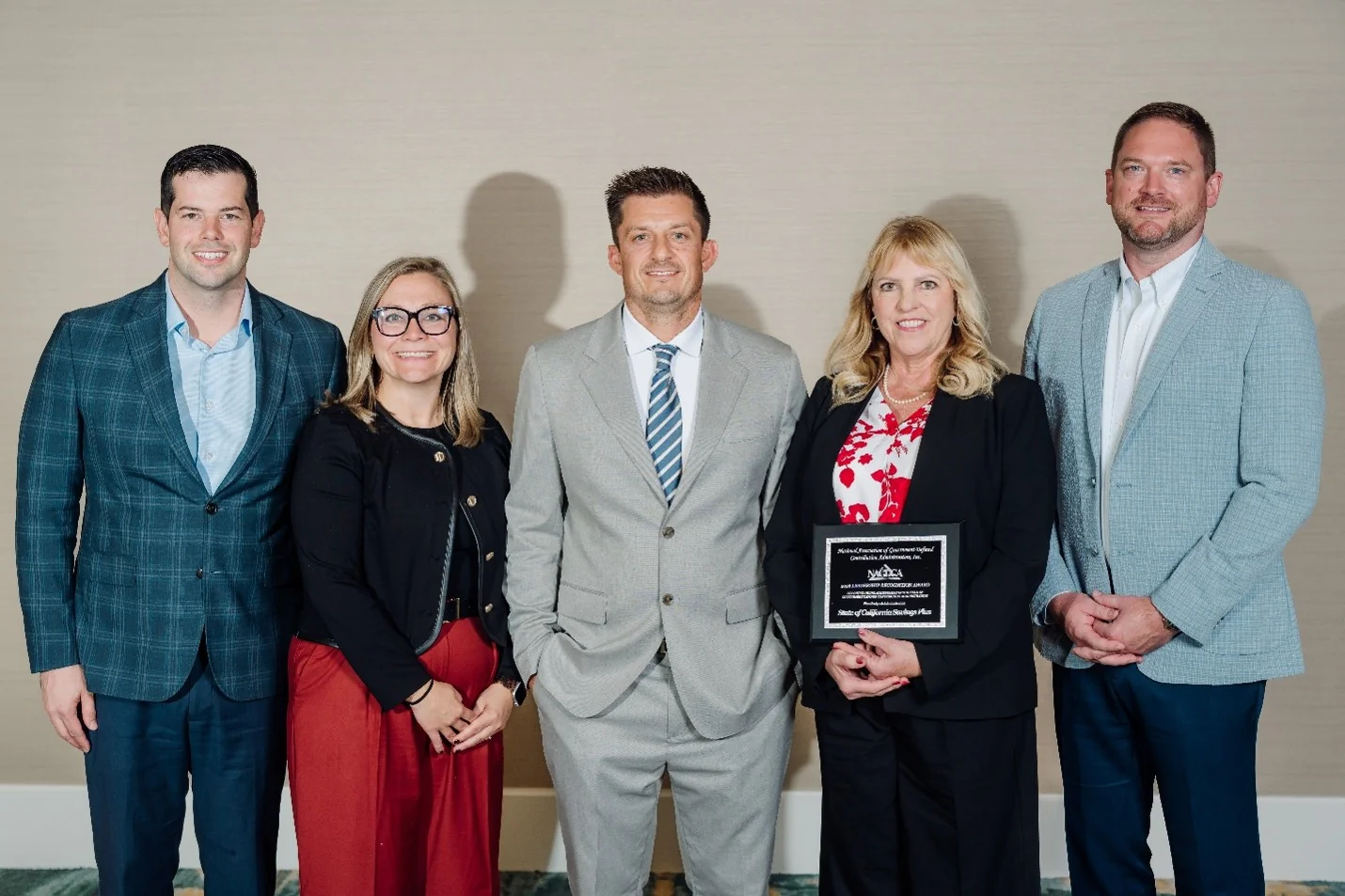
Nationwide celebrates 2026 NAGDCA Leadership Recognition Award recipients
Image File
Original HTML

Nationwide celebrates 2026 NAGDCA Leadership Recognition Award recipients

Nationwide congratulates the public-sector defined contribution plans recognized with 2026 National Association of Government Defined Contribution Administrators (NAGDCA) Leadership Recognition Awards for their innovative programs, projects and campaigns designed to improve retirement readiness and participant outcomes.

Government member nominations were accepted in five categories and evaluated by the 2026 Awards Committee based on originality, effectiveness and measurable results. This year’s recipients demonstrate how thoughtful plan design, personalized communications, technology and holistic financial wellness initiatives can help participants build greater financial security.

“These awards are highly respected within our industry and reflect the creativity, dedication and commitment our partners bring to helping participants achieve greater financial security,” said Kevin Jestice, president of Nationwide Retirement Solutions. “This recognition is made possible by the strong partnerships between our clients and the Nationwide teams who support them every day.”

2026 NAGDCA Leadership Recognition Award recipients

City of Phoenix — Everyday Plan Champions: Real City of Phoenix Stories Driving Retirement Readiness

The City of Phoenix Plan Champion Campaign uses real employees to bring the Deferred Compensation Plan to life. Five Plan Champions from different departments share how they use plan tools and education to pursue their goals and build retirement confidence. Their stories appear across the plan website, emails, digital monitors, posters and the City’s Financial Expo, where Champions engage directly with their peers.

Video viewership and attention rates, along with continued growth in plan assets, contributions and education usage, show how relatable employee voices can help participants better understand and use their retirement benefits.

County of Monterey — Automatic Enrollment for Every New Hire

County of Monterey leadership and labor partners introduced automatic enrollment for two bargaining groups, CEMA and SEIU, in response to concerns about long-term retirement readiness. The approach was designed to encourage new employees to take action while preserving choice, flexibility and participant protections. The County has experienced significant increases in new-hire participation in its 457(b) plan, particularly during employees’ first year.

State of California Savings Plus Program — 2025 Fund Mapping & Redesign

California Savings Plus modernized the investment foundation of one of the nation’s largest public-sector retirement programs through a two-phase fund mapping and redesign initiative. The program simplified investment choice, lowered costs and strengthened default outcomes while maintaining participant confidence throughout a multibillion-dollar transition.

The redesign affected more than 200,000 participants and over $14 billion in assets. It transitioned participants into institutionally priced target-date funds, introduced stable value options, reduced lineup complexity and delivered an estimated $10 million in annualized participant fee savings. The implementation was completed with zero mapping errors and stable service levels.

California Savings Plus was also selected as one of the top three finalists in the large plan category for the 2026 NAGDCA Art Caple President’s Award, which honors excellence in public sector defined contribution plans. Established in memory of past NAGDCA President Art Caple, the award celebrates visionary leadership and innovation that enhance participants’ financial well-being.

Nationwide Retirement Solutions is a business within Nationwide, a Fortune 100 company based in Columbus, Ohio, and one of the largest and strongest diversified financial services and insurance organizations in the United States.

Nationwide Retirement Solutions administers nearly 32,000 retirement plans, helping protect nearly $200 billion in participant assets and helping secure the financial futures of more than 2.7 million participants. Nationwide services the highest volume of governmental 457(b) plans and has demonstrated significant growth in the corporate 401(k) and not-for-profit 403(b) markets.

Nationwide is committed to serving the retirement industry by doing the right thing at the right time through better participant experiences, administrative simplicity and values that translate to service. Visit nrsforu.com for more information about the tools and services Nationwide provides to retirement plan participants.

Source: 2026 Award Winners — NAGDCA

NFM-25835AO

Class (B2B/B2C)
B2B
Ingest Status
Need Review
Dedupe hash
cab3796614e88318adace753aa8c0c2f
Press Eligible
Yes
Press Eligible Reason
Manuelle Prüfung nötig. Risiko: HIGH. Flags: ['finance', 'numbers']. Stichprobe: False
Source Name
Nationwide
Original Summary

<p>Nationwide congratulates the public-sector defined contribution plans recognized with 2026 National Association of Government Defined Contribution Administrators (NAGDCA) <a href="https://www.nagdca.org/about/nagdca-awards/2026-award-winners/">Leaders… Recognition Awards</a> for their innovative programs, projects and campaigns designed to improve retirement readiness and participant outcomes.</p><p>Government member nominations were accepted in five categories and evaluated by the 2026 Awards Committee based on originality, effectiveness and measurable results. This year’s recipients demonstrate how thoughtful plan design, personalized communications, technology and holistic financial wellness initiatives can help participants build greater financial security.</p><p><span>“These awards are highly respected within our industry and reflect the creativity, dedication and commitment our partners bring to helping participants achieve greater financial security,” said </span><a href="h

Image URL
https://content.presspage.com/uploads/2497/0a0f5d4f-ac79-4529-96e5-6511ffe98af5/1920_californiasavingsplusawardrecipients-lefttoright-jakesoursameliadunlaptaylorschultzesandyblairjohnarcher.jpg?10000
Source Node
Generated Article_json
{"target_audience": "b2b", "is_medical": false, "ai_generated_title": "California Savings Plus Cuts $10M in Fees, Wins NAGDCA Recognition", "body_html": "<p><strong>Columbus -- [CURRENT_DATE] --</strong> California Savings Plus, a state program covering more than 200,000 participants and over $14 billion in assets, delivered an estimated $10 million in annualized participant fee savings through a fund redesign that earned a 2026 NAGDCA Leadership Recognition Award.</p><p>Nationwide, which administers retirement plans for the recognized public-sector clients, announced the 2026 recipients of the National Association of Government Defined Contribution Administrators (NAGDCA) awards. Government members nominated programs in five categories. The 2026 Awards Committee judged entries on originality, effectiveness and measurable results.</p><h5>California Savings Plus completes two-phase fund mapping with zero errors</h5><p>The program modernized the investment foundation of one of the nation's largest public-sector retirement programs. Participants moved into institutionally priced target-date funds. The lineup gained stable value options and lost complexity.</p><p>The multibillion-dollar transition finished with zero mapping errors and stable service levels, according to the source. The program also lowered costs and strengthened default outcomes.</p><p>California Savings Plus was also named one of three finalists in the large plan category for the 2026 NAGDCA Art Caple President's Award, which honors excellence in public-sector defined contribution plans.</p><h5>County of Monterey introduces automatic enrollment for two bargaining groups</h5><p>County leadership and labor partners extended automatic enrollment to the CEMA and SEIU bargaining groups, citing concerns about long-term retirement readiness. The design preserves choice, flexibility and participant protections. Monterey reports significant increases in new-hire participation in its 457(b) plan, particularly during employees' first year.</p><h5>City of Phoenix deploys five employee Plan Champions across channels</h5><p>The City of Phoenix Plan Champion Campaign features five employees from different departments who describe how they use plan tools and education. Their stories run across the plan website, emails, digital monitors, posters and the City's Financial Expo, where Champions engage peers directly.</p><p>Video viewership and attention rates, along with continued growth in plan assets, contributions and education usage, indicate the approach is working, the source states. It gives no figures for these metrics.</p><p>Kevin Jestice, president of Nationwide Retirement Solutions, credited the partnerships between clients and Nationwide teams for the recognition.</p>", "meta_description": "California Savings Plus cut an estimated $10M in annual participant fees across $14B in assets, as Nationwide marks 2026 NAGDCA award winners including Phoenix and Monterey.", "seo_keywords": "NAGDCA, Nationwide Retirement Solutions, California Savings Plus, 457(b), automatic enrollment, target-date funds, public sector retirement, City of Phoenix, County of Monterey", "companies": ["Nationwide", "Nationwide Retirement Solutions"], "industries": ["Finance & Investment"], "markets_regions": ["United States"], "news_type": ["awards_recognition", "financial_disclosure"], "products": [], "themes": ["retirement_readiness", "cost_reduction", "plan_design"], "events": ["2026 NAGDCA Leadership Recognition Awards"], "cta_text": "Learn more about Nationwide Retirement Solutions tools and services for retirement plan participants", "learn_more": "https://nrsforu.com", "fact_check": {"accuracy_score": 100, "legal_risk": "low", "corrections_made": ["Dateline city set to Columbus, Ohio, the only city named in the source (Nationwide headquarters)", "Removed company boilerplate", "Noted that the source gives no figures for Phoenix metrics"], "recommendation": "publish"}}
Content Hash (SHA-256, erste 32 hex)
618e8e84a88a7323faa152a09cc2a3af
DOCOMO and NTT to Begin the World's First Demonstration of Coordinated Control of Workload Shifting and Energy Management at Radio Base Stations
Image File
Original HTML

Press Releases

October 20, 2026

DOCOMO and NTT to Begin the World's First Demonstration of Coordinated Control of Workload Shifting and Energy Management at Radio Base Stations

— Aiming to maximize renewable energy use, help stabilize the power grid, and maintain communications services during disasters —

News Highlights:

- DOCOMO and NTT will begin the world's first demonstration of AI-coordinated control at radio base stations, in which workload shifting—the transfer of communications-processing loads between sites—is integrated with energy management for solar power generation and battery storage.

- This demonstration will evaluate this new technology in three scenarios: normal operations, periods of tight electricity supply and demand, and power outages. It will assess the potential to maximize renewable energy use, contribute to power-grid stability, and keep communications services running longer during outages.

- The two companies aim to help build sustainable, disaster-resilient social infrastructure for the 6G/IOWN era.

TOKYO, JAPAN, October 20, 2026 --- NTT DOCOMO, INC. and NTT, Inc. announced today that they have developed a technology that uses AI to optimally coordinate and control radio base station communications-processing workloads and the operation of distributed energy resources,*1 including solar power generation and storage batteries. The two companies will jointly begin a demonstration on Tuesday, October 20, 2026, to verify this new technology's effectiveness in increasing the use of renewable energy, supporting demand response (DR)*2 during periods of tight electricity supply and demand, and improving communications service continuity during disasters. This is the world's first demonstration at base stations using this technology.*3

In recent years, the spread of generative AI and other developments have accelerated society's digital transformation, and the electricity consumed by communications networks has been rising. At the same time, expanding the use of renewable energy to help achieve a decarbonized society and strengthening communications infrastructure to prepare for large-scale disasters are important social challenges. At conventional base stations, however, communications and power equipment have generally been controlled independently, primarily according to their respective operating conditions. As a result, it has been difficult to operate communications equipment in response to renewable energy generation under normal conditions, or to coordinate the use of limited power with the operations of communications equipment during outages caused by disasters and other events.

This demonstration will use workload shifting (WLS) technology,*4 which moves communications-processing workloads between base stations, together with DOCOMO's energy management system (EMS) platform,*5 which manages distributed energy resources such as solar power generation and storage batteries. Based on operating plans calculated by AI, NTT will control the communications load at each base station, while DOCOMO will control the storage batteries. This will enable the companies to coordinate and optimize communications and power equipment as an integrated system.

NTT will build a verification environment using open-source software (OSS)*6 to simulate the communications processing performed by a virtualized radio access network (vRAN). The environment will be connected to DOCOMO's base stations. Using this setup, DOCOMO and NTT will test WLS operations that take into account the status of distributed energy resources and assess the technology's effectiveness across all three scenarios: normal operations, periods of tight electricity supply and demand, and power outages.

This technology links workload shifts between sites with the charging and discharging of storage batteries. DOCOMO and NTT aim to increase renewable energy use and help stabilize the power grid through DR when electricity supply and demand are tight. This will enable base stations that handle communications processing to be switched flexibly in response to renewable energy generation, making effective use of renewable energy that was previously underutilized.

In particular, during DR, this technology will help ease pressure on electricity supply and demand by reducing power consumption at the participating site, both by discharging storage batteries and by shifting communications-processing workloads to other sites. During power outages caused by disasters and other events, workloads can be shifted to other sites to reduce power consumption at the affected site. This can extend the backup time provided by storage batteries and help maintain communications services longer.

DOCOMO and NTT plan to complete the demonstration by the end of December 2026 and evaluate this new technology's effectiveness. Going forward, the two companies will consider linking the technology with data centers and extending it to a wider range of energy resources. They aim to help build sustainable, disaster-resilient social infrastructure for the 6G/IOWN era.

DOCOMO and NTT will have a booth showcasing this initiative at NTT R&D FORUM 2026, which will be held at the NTT Musashino R&D Center on November 18 - 20 and November 24 - 25, 2026.

- Relatively small-scale energy resources installed in a distributed manner close to consumers, in contrast to large power plants. Examples include solar power generation and fuel cells. In this demonstration, the term covers these resources as well as storage batteries.

- A mechanism for maintaining the balance between electricity supply and demand by having users, such as businesses and households, adjust their electricity use, for example, by conserving energy, in response to supply-and-demand conditions.

- Based on research by DOCOMO and NTT as of October 20, 2026.

- A technology for moving computational workloads handled by servers and other systems distributed across multiple sites from one site to another in response to electricity supply-and-demand conditions and other factors.

- A system that uses information technology to optimally control and manage energy equipment, such as solar power generation and storage batteries.

- Software whose source code is publicly available and that anyone may freely modify and redistribute at no charge.

Appendix

Demonstration Overview

- 1. Objective

This demonstration will test an AI-based technology that coordinates the operation of communications and power equipment. It will assess the technology's ability to increase renewable energy use and support demand response (DR) during periods of tight electricity supply and demand, while helping maintain communications services during disasters.

- 2. Demonstration Details

The demonstration will be conducted in a test environment connecting a DOCOMO base station with an NTT R&D site. It will combine the transfer of communications-processing workloads between sites—known as workload shifting (WLS)—based on AI-generated operating plans, with the control of power equipment, including solar power systems and storage batteries, through DOCOMO's energy management system (EMS) platform. The demonstration will evaluate the following:

- Increasing renewable energy use: Storage batteries will be charged when solar power generation is high, while communications-processing workloads will be shifted to sites with surplus solar power. The demonstration will assess whether this can increase the use of renewable energy.

- Supporting demand response: The demonstration will assess how storage batteries can help ease pressure on the power grid when electricity supply and demand are tight. It will also examine whether coordinating workload shifts with battery recharging after a demand response event can prevent a new peak in power consumption.

- Maintaining communications service during power outages: During an outage, communications-processing workloads will be shifted to other sites to reduce power consumption at the affected site. The demonstration will assess whether this can extend the backup time provided by storage batteries and help keep communications services running longer.

- 3. Existing Challenges and How this New Technology Addresses Them

Challenges with Existing Technologies: Communications and power equipment have traditionally been operated independently, according to their respective requirements. This has made it difficult to:

- Make full use of surplus solar power, since power consumption by communications equipment cannot be adjusted flexibly.

- Avoid creating a new peak in power demand when storage batteries are recharged after a DR event.

- Maintain communications services for longer during a power outage, as communications-processing workloads cannot be shifted flexibly based on the storage battery status.

- Optimize the overall operation of communications and power equipment.

How this New Technology Works: The new technology coordinates the operation of communications and power equipment by combining three capabilities: NTT's reinforcement-learning-based model for optimizing operating plans; DOCOMO's AI- and mathematical optimization-based operational planning technology; and DOCOMO's EMS platform that controls power equipment. This coordinated approach enables the system to:

- Shift communications-processing workloads between sites based on renewable energy generation, while charging storage batteries.

- Coordinate workload shifting with storage-battery charging and discharging during demand response events.

- Shift communications-processing workloads to other sites during a power outage, based on the storage battery status, to reduce power consumption at the affected site.

By coordinating the operation of communications and power equipment, DOCOMO and NTT aim to increase renewable energy use, contribute to grid stability, and improve communications network resilience. Main Equipment Used in the Demonstration

- 4.

Ingest Status
Rejected
Dedupe hash
74fe008fbf20c5e214eca118864e15e8
Source Name
NTT Newsroom
Image URL
https://www.docomo.ne.jp/english/images/common/nttdocomo.gif
Source Node
Content Hash (SHA-256, erste 32 hex)
8f3f6e84c2fb6d69d66f31ed9b1fef6b
DOCOMO and NTT to Begin the World's First Demonstration of Coordinated Control of Workload Shifting and Energy Management at Radio Base Stations (PDF : 673KB)
Image File
Original HTML

DOCOMO and NTT to Begin the World's First Demonstration of Coordinated Control of Workload Shifting and Energy Management at Radio Base Stations (PDF : 673KB) | Press Release | NTT

Microsoft ends support for Internet Explorer on June 16, 2022. We recommend using one of the browsers listed below.

Microsoft Edge(Latest version)

Mozilla Firefox(Latest version)

Google Chrome(Latest version)

Apple Safari(Latest version)

Please contact your browser provider for download and installation instructions.

DOCOMO and NTT to Begin the World's First Demonstration of Coordinated Control of Workload Shifting and Energy Management at Radio Base Stations (PDF : 673KB)

October 20, 2026

DOCOMO and NTT to Begin the World's First Demonstration of Coordinated Control of Workload Shifting and Energy Management at Radio Base Stations (PDF : 673KB)

Information is current as of the date of issue of the individual press release. Please be advised that information may be outdated after that point.

DOCOMO and NTT to Begin the World's First Demonstration of Coordinated Control of Workload Shifting and Energy Management at Radio Base Stations (PDF : 673KB)

Class (B2B/B2C)
B2B
Ingest Status
Need Review
Dedupe hash
ea9cc5361a11b44b6659bfc574d965e7
Press Eligible
Yes
Press Eligible Reason
QA FAIL (need review): The TARGET contains factual/interpretive claims not explicitly stated in the SOURCE, including details about traffic processing, workload movement between locations, and site energy management. The SOURCE only provides the title and metadata, so these added specifics are unsupported.
Source Name
NTT Newsroom
Image URL
https://group.ntt/common/img/ogp.jpg?20250701
Source Node
Generated Article_json
{"target_audience": "b2b", "is_medical": false, "ai_generated_title": "DOCOMO and NTT Launch World-First Base Station Energy Trial", "body_html": "<p><strong>Japan – [CURRENT_DATE] --</strong> DOCOMO and NTT are starting what they describe as the world's first demonstration of coordinated control of workload shifting and energy management at radio base stations.</p><h5>DOCOMO and NTT pair workload shifting with energy management at base stations</h5><p>The demonstration targets radio base stations, the network sites where mobile traffic is processed. It links two controls that are normally handled separately: moving computing workloads between locations, and managing the energy those sites consume.</p><p>The companies call the coordinated approach a global first. The announcement was published as a press release by NTT, with DOCOMO as a named partner.</p><p>The source material does not disclose trial locations, duration, energy-saving targets, investment figures or commercial deployment plans.</p>", "meta_description": "DOCOMO and NTT begin the world's first demonstration of coordinated workload shifting and energy management at radio base stations, targeting network efficiency.", "seo_keywords": "DOCOMO, NTT, radio base stations, workload shifting, energy management, mobile network, telecom infrastructure, demonstration", "companies": ["DOCOMO", "NTT"], "industries": ["Telecommunications Infrastructure"], "markets_regions": ["Japan"], "news_type": ["pilot_program", "partnership"], "products": [], "themes": ["energy_efficiency", "network_infrastructure"], "events": [], "cta_text": "Read the full DOCOMO and NTT press release on the base station demonstration", "learn_more": "", "fact_check": {"accuracy_score": 100, "legal_risk": "low", "corrections_made": ["Source date ignored per instructions; [CURRENT_DATE] placeholder used", "Dateline location set to Japan because the source names no city", "Article kept brief because the source contains only headline-level facts"], "recommendation": "publish"}}
Content Hash (SHA-256, erste 32 hex)
30df0d938f57b7f9221311901c9e403d
TGS Announces MC3D Vision PSDM Reprocessing Project in Offshore Côte d'Ivoire
Image File
Original HTML

OSLO, Norway (20 October 2026) – TGS, in partnership with the Direction Générale des Hydrocarbures (DGH) and PETROCI, today announced the commencement of the MC3D Vision PSDM reprocessing project in offshore Côte d'Ivoire.

The project will reprocess 14,691 square kilometers of GeoStreamer 3D data from multiple surveys acquired by TGS between 2014 and 2018, covering the deepwater Côte d'Ivoire and San Pedro Basins. The reprocessing addresses imaging challenges associated with complex deepwater geology, including significant velocity variations in the overburden that can obscure deeper exploration targets and compromise amplitude fidelity. By applying modern pre-processing, advanced velocity model building, including E-DMFWI, and Kirchhoff PSDM imaging, the project is expected to provide clearer definition of reservoir intervals and stratigraphic features across the offshore Côte d'Ivoire margin.

David Hajovsky, Executive Vice President of Multi-Client at TGS, commented, “This project once again showcases our commitment to data-driven exploration across Africa. Enhanced imaging will enable operators to identify and evaluate prospects with greater confidence, reduce subsurface uncertainty and mature exploration opportunities across Côte d'Ivoire.”

The Côte d'Ivoire MC3D Vision PSDM Reprocessing adds to TGS' wider ongoing MC3D Vision reprocessing project activities across West Africa. Fast-track products are expected in Q2 2027, with final products to follow in Q4 2027.

About TGS

TGS provides advanced data and intelligence to companies active in the energy sector. With leading-edge technology and solutions spanning the entire energy value chain, TGS offers a comprehensive range of insights to help clients make better decisions. Our broad range of products and advanced data technologies, coupled with a global, extensive and diverse energy data library, make TGS a trusted partner in supporting the exploration and production of energy resources worldwide. For further information, please visit www.tgs.com (https://www.tgs.com/).

For media inquiries, contact:

Bård Stenberg

IR & Business Intelligence

investor@tgs.com

Class (B2B/B2C)
B2B
Ingest Status
Rewritten
Dedupe hash
e3fb287d506b6c6a0013758ee3af0d94
Press Eligible
Yes
Press Eligible Reason
Manuelle Prüfung nötig. Risiko: MEDIUM. Flags: ['numbers']. Stichprobe: False
Source Name
TGS ASA
Original Summary

<p style="color: #242424; background-color: #ffffff;"><strong>OSLO, Norway</strong> (20 October 2026) – TGS, in partnership with the Direction Générale des Hydrocarbures (DGH) and PETROCI, today announced the commencement of the MC3D Vision PSDM reprocessing project in offshore Côte d'Ivoire.</p>

Image URL
https://www.tgs.com/hubfs/2478981/raw_assets/public/2023-tgs-main/images/tgs-logo-2024-blue.png
Source Node
Content Hash (SHA-256, erste 32 hex)
b1d1c7876fc71a1d0f23bf1d130cceda