QR indicator vs. data logger: how much shipment data do you actually need?
Image File
Original HTML

When a shipment arrives, how much information do you actually need to make the next decision?

Sometimes the answer is a complete history. You need to understand what happened throughout transit, when conditions changed and potentially where an exception occurred.

But sometimes the question is much simpler.

Did this shipment experience a condition outside the acceptable threshold?

If that is the decision your receiving team needs to make, collecting a complete journey history may be more information than the workflow requires.

That distinction is where QR-enabled condition indicators can fit between a traditional visual indicator and a data logger.

Start with the question, not the technology

It is easy to assume that more shipment data automatically means better shipment monitoring.

In practice, the useful amount of data depends on what the team needs to do with it.

A data logger records measurements at intervals throughout a journey, creating a detailed history that can be reviewed after or, depending on the technology, during transit. SpotSee’s data logger solutions are designed for applications where teams need that level of temperature history.

A QR-enabled indicator serves a different purpose. It monitors for a defined condition and provides an immediate visual indication when that condition has been met. Scanning the QR code with a smartphone can then create a digital record associated with that indicator.

Instead of asking “How much data can we collect?” a more useful starting point is:

What information will change the decision we make when this shipment arrives?

If the question is “did it get too warm or too cold?”

Temperature-sensitive shipments provide a good example of why the distinction matters.

A pharmaceutical manufacturer shipping a high-value biologic through a complex international cold chain may require a detailed temperature history. A different operation may primarily need to confirm at receipt whether a package crossed a defined temperature threshold.

For exposure above an acceptable temperature, WarmMark QR is a single-use, battery-free time-temperature indicator. It monitors cumulative exposure above a specified threshold and irreversibly changes color when the defined time-temperature condition is met.

When scanned with a smartphone, the scan can capture information including the indicator condition, time, date, location and serial number in the SpotSee Cloud. No dedicated app or battery is required.

For exposure below an acceptable threshold, FreezeSafe QR applies the same general idea to damaging cold conditions. The indicator provides irreversible visual evidence of exposure below its defined threshold, while a smartphone scan creates a digital record associated with the shipment.

Together, the two products address opposite temperature risks: WarmMark QR for ascending temperature exposure and FreezeSafe QR for descending temperature exposure.

The important distinction is that neither is trying to recreate a complete temperature profile. The indicator answers the threshold question while the QR functionality documents what was observed and where and when it was scanned.

The same principle applies beyond temperature

The “how much data do we need?” question is not limited to cold chain logistics.

Consider a piece of sensitive industrial equipment arriving at a receiving dock.

The team may not need a complete record of every movement during a three-day journey. They may need to know whether the shipment experienced an impact significant enough to trigger an inspection before installation.

ShockWatch 2 QR is a single-use, battery-free impact indicator designed for that type of decision. If an impact exceeds the selected threshold, the indicator provides a permanent visual alert. A smartphone scan records the condition and associated scan information in the SpotSee Cloud.

For equipment that must remain upright, the relevant question changes again.

Was it tipped beyond the acceptable angle?

TiltWatch XTR QR turns red if a shipment tips beyond 80 degrees. Scanning the indicator captures its condition along with time, location and serial number, creating a digital record at the point of inspection.

In both cases, the value comes from connecting a simple physical exception signal with documentation at a meaningful point in the shipment journey.

Think of shipment monitoring as a spectrum

The choice does not have to be “monitor the shipment” or “do not monitor the shipment.”

There is a spectrum of visibility.

At one end, a visual indicator can tell a receiver that a defined condition occurred.

QR-enabled indicators add a digital layer to that physical evidence. The shipment can be scanned at origin, receipt or other hand-offs, creating records tied to the individual indicator without requiring batteries, dedicated readers or an app.

Further along the spectrum, data loggers provide a detailed record of conditions over time. Connected monitoring solutions can add even greater visibility while the shipment is moving.

Each level answers a different operational question.The goal is not automatically to move as far down that table as possible. It is to select the level of visibility that supports the shipment’s risk profile and the decisions teams need to make.

When does a data logger make more sense?

There are shipments where a simple exception indication is not enough.

A data logger may be the more appropriate choice when QA or logistics teams need to analyze the complete condition history, understand duration and timing in greater detail or meet a regulatory or quality requirement that calls for recorded data throughout the journey.

That can be especially important for high-value, high-risk or highly regulated shipments where understanding an excursion requires more than knowing that it happened.

QR-enabled indicators are not a replacement for data loggers when continuous or interval-based monitoring is required. They are another level of condition monitoring for applications where immediate exception visibility and digital documentation provide the information the workflow actually needs.

The best shipment data is the data you can act on

More data can provide more context. It can also create more cost, infrastructure and information to manage.

The better question is whether that additional information changes what happens next.

If a shipment requires a complete journey history, use technology designed to provide one.

If the receiving team primarily needs to know whether a temperature, impact or tilt threshold was exceeded and create a digital record of what they observed, a QR-enabled indicator may provide the right level of visibility without the complexity of a traditional data logger.

Ultimately, effective condition monitoring is not about collecting the most data.

It is about collecting enough of the right data to make the right decision.

—-

You might also like

Class (B2B/B2C)
B2B
Ingest Status
Rewritten
Dedupe hash
c02709a72c65096519bb9dc713d08378
Press Eligible
Yes
Press Eligible Reason
Explains shipment-monitoring options and promotes condition-indicator products for logistics and supply-chain professionals.
Source Name
Spot.See
Original Summary

<p>When a shipment arrives, how much information do you actually need to make the next decision? Sometimes the answer is a complete history. You need to understand what happened throughout transit, when conditions changed and potentially where an exception occurred. But sometimes the question is much simpler. Did this shipment experience a condition outside the [&#8230;]</p>
<p>The post <a href="https://spotsee.io/blog/qr-indicators-vs-data-loggers/">QR indicator vs. data logger: how much shipment data do you actually need?</a> appeared first on <a href="https://spotsee.io">SpotSee</a>.</p&gt;

Image URL
https://spotsee.io/wp-content/uploads/2026/09/shutterstock_2423141873-scaled.jpg
Source Node
Content Hash (SHA-256, erste 32 hex)
7543f64e5c0d8d00980e8ca894a61879
What are the different types of time-temperature indicators and when should you use each?
Image File
Original HTML

Not every temperature-sensitive shipment needs the same type of monitoring.

For some shipments, the most important question is simple: did the product experience a temperature outside its acceptable range?

For others, teams may need to know how long an excursion lasted, whether the product was exposed to freezing conditions, what happened throughout the entire journey or what is happening while the shipment is still in transit.

That is why choosing a temperature-monitoring solution should start with the information you need, not with the technology itself.

Start with the information you need

Different temperature-monitoring technologies are designed to answer different questions.

A visual indicator may be enough when a receiving team needs a clear signal that a specified condition occurred. A cumulative time-temperature indicator can provide more context when both temperature and duration matter. Data loggers create a detailed history while connected monitoring can provide visibility before a shipment even reaches its destination.

The goal is not necessarily to collect the greatest amount of data possible. It is to collect the right information to support the decision that needs to be made.

Before choosing a monitoring approach, consider questions such as:

- Do we only need to know whether a temperature threshold was crossed?

- Does the duration of exposure matter?

- Is the risk freezing, heat exposure, or both??

- Do we need a detailed temperature history?

- Do we need visibility while the shipment is still moving?

- What action will we take if an excursion is identified?

Those answers help determine which type of monitoring makes the most sense.

Irreversible and threshold temperature indicators

Irreversible temperature indicators provide visible evidence that specified temperature conditions have been reached.

Once activated, the indication does not reset. This can make them useful for receiving teams that need a straightforward way to determine whether a shipment may have experienced conditions outside an acceptable range.

Threshold indicators are particularly useful when the primary question is:

Did the product experience a temperature beyond a defined limit?

They generally provide a simpler answer than technologies designed to create a detailed record of conditions throughout transit.

For applications where this type of visible temperature indication is appropriate, Thermax can provide an irreversible indication that helps teams identify temperature exposure.

This approach can make sense when a clear visual result is more useful than a complete temperature history.

Cumulative time-temperature indicators: WarmMark QR

For some products, a single temperature event does not tell the whole story.

The amount of time a product spends above an acceptable temperature can also matter.

Cumulative time-temperature indicators are designed to account for exposure over time, helping teams understand whether a shipment has experienced a level of temperature exposure that may require further review.

WarmMark QR combines cumulative time-temperature indication with QR-enabled digital documentation.

Rather than simply showing that a temperature threshold was crossed at one moment, it is designed for situations where both temperature and duration of exposure are relevant.

The QR functionality also allows shipment condition information to be documented digitally at key points in the journey.

This can be useful when teams want a simple visual indication at receiving while also creating a digital record that supports traceability and follow-up.

Freeze indicators: FreezeSafe QR and ColdSNAP

Temperature-sensitive products can be damaged by excessive cold as well as excessive heat.

That makes freeze monitoring a distinct part of the temperature-monitoring decision.

Freeze indicators are designed to help answer:

Was this product exposed to a temperature below its acceptable limit?

This can be especially important for products that may remain within their upper temperature range while still being compromised by freezing conditions.

FreezeSafe QR provides freeze indication together with QR-enabled digital documentation, helping teams identify and record potential freeze exposure.

ColdSNAP provides another option for applications where exposure to cold or freezing conditions is the primary concern.

The key distinction is that these solutions are selected around a specific risk: exposure below an acceptable temperature.

If freezing is the condition most likely to affect product quality or usability, a dedicated freeze indicator may provide the clearest answer.

Electronic data loggers

Indicators are designed to answer specific questions efficiently. Data loggers are useful when teams need a more complete picture.

Electronic data loggers record temperature measurements throughout a shipment, creating a time-stamped history of conditions.

That history can help teams understand:

- When an excursion occurred

- How long it lasted

- How temperature changed during transit

- Whether multiple excursions occurred

- What conditions the product experienced throughout the journey

This level of detail can be valuable when shipment risk, product value, quality requirements or investigation needs justify a more complete record.

It does not mean that every temperature-sensitive shipment needs a data logger.

If the primary decision is simply whether a defined condition occurred, an indicator may provide enough information with less complexity.

For a deeper comparison, read QR indicator vs. data logger: how much shipment data do you actually need?

Connected and IoT monitoring: SpotSee Go

Sometimes knowing what happened after delivery is not enough.

For high-value, time-sensitive or operationally critical shipments, teams may need visibility while the shipment is still moving.

Connected monitoring can provide information about shipment conditions during transit, allowing teams to identify potential issues before arrival rather than waiting until receiving.

SpotSee Go can be introduced as part of this connected monitoring approach, providing visibility for shipments where real-time or near-real-time awareness can support faster decisions.

Connected monitoring can make sense when:

- The shipment is particularly valuable or sensitive

- An excursion may require intervention before delivery

- Delays or route changes could affect product condition

- Teams need greater visibility across a complex supply chain

- Waiting until receiving would be too late to take useful action

As with any monitoring technology, connectivity should be selected because it supports a specific operational need rather than simply because more data is available.

How do you choose the right type of temperature monitoring?

The easiest way to compare temperature-monitoring technologies is to start with the question you need the shipment to answer.

Do you only need to know whether a defined temperature limit was crossed?

A threshold or irreversible temperature indicator may provide the information you need.

Do both temperature and duration of exposure matter?

A cumulative time-temperature indicator such as WarmMark QR may be more appropriate.

Is freezing the primary risk?

A dedicated freeze indicator such as FreezeSafe QR or ColdSNAP can help identify exposure below an acceptable temperature.

Do you need a detailed record of conditions throughout transit?

An electronic data logger may be the better fit.

Do you need visibility before the shipment reaches its destination?

Connected monitoring such as SpotSee Go can support workflows where teams need access to shipment-condition information during transit.

The final decision should also consider factors such as product sensitivity, acceptable temperature range, shipment duration, shipment value, regulatory or quality requirements and what teams will actually do with the information collected.

Choose the information first, then the technology

Temperature-monitoring technologies do not all solve the same problem.

Some provide a simple indication that a threshold was crossed. Others account for cumulative exposure or freezing conditions. Data loggers create a detailed history while connected monitoring adds visibility during transit.

The right approach starts with understanding the decision that needs to be made.

Once that is clear, teams can choose a monitoring solution that provides enough information to support that decision without adding unnecessary complexity.

SpotSee’s upcoming ColdChain Product infographic will provide an additional way to compare temperature-monitoring technologies and identify which type of solution may be appropriate for different applications.

—-

You might also like

- Why cold chains don’t need more data. They need better evidence.

- Smarter temperature visibility: how WarmMark QR transforms cold chain tracking

- QR temperature indicators prevent unnecessary shipment returns

Class (B2B/B2C)
B2B
Ingest Status
Rewritten
Dedupe hash
a7fa02f0351e1c38f1a1677b7dae2879
Press Eligible
Yes
Press Eligible Reason
Explains temperature-monitoring options for supply-chain and shipping professionals, with product examples.
Source Name
Spot.See
Original Summary

<p>Not every temperature-sensitive shipment needs the same type of monitoring. For some shipments, the most important question is simple: did the product experience a temperature outside its acceptable range? For others, teams may need to know how long an excursion lasted, whether the product was exposed to freezing conditions, what happened throughout the entire journey [&#8230;]</p>
<p>The post <a href="https://spotsee.io/blog/types-of-time-temperature-indicators/">What are the different types of time-temperature indicators and when should you use each?</a> appeared first on <a href="https://spotsee.io">SpotSee</a>.</p&gt;

Image URL
https://spotsee.io/wp-content/uploads/2026/10/shutterstock_2762271069-scaled.jpg
Source Node
Content Hash (SHA-256, erste 32 hex)
9fca173148c740c9d6a842d53bfdbfb2
4 – Statement of changes in beneficial ownership of securities
Image File
Original HTML

Skip to content

For emergencies, please call

+1-877-711-1138

News

Vendors

Careers

Get In Touch With Us

News

Vendors

Careers

Get In Touch With Us

Search

About Us

Who We Are

Our Team

Corporate Governance

Operations

Upstream Operations

Midstream and Marketing

Next LVL Energy

Owner Relations

Revenue Statements

Tax Revenue

Sustainability

Environment

Our Employees

Our Communities

Reporting & Performance

Governance & Oversight

Community Relations

Community Giving

Grant Application

Investor Resources

News

Vendors

Careers

Get In Touch With Us

Back to News

4 – Statement of changes in beneficial ownership of securities

SEC Filings

•

October 1, 2026

About Us

Who We Are

Our Team

Corporate Governance

Operations

Upstream Operations

Midstream and Marketing

Next LVL Energy

Owner Relations

Revenue Statements

Tax Revenue

Sustainability

Environment

Our Employees

Our Communities

Reporting & Performance

Governance & Oversight

Community Relations

Community Giving

Grant Application

Investor Resources

News

Vendors

Careers

Get In Touch With Us

For emergencies,

please call 1-877-711-1138

Ingest Status
Rejected
Dedupe hash
0b1bee30fb1da3b31f342a60c3caa722
Source Name
Diversified Energy PLC
Image URL
https://www.div.energy/wp-content/uploads/2023/10/1200x630.jpg
Content Hash (SHA-256, erste 32 hex)
24dcf910bca7d3487fd629f123b7aab0
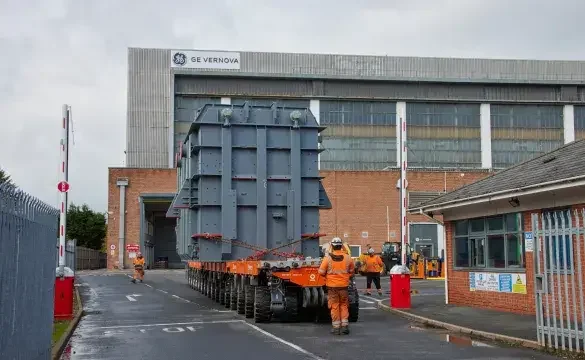
Giant Staffordshire-built transformer ready to leave factory for major electricity link
Image File
Original HTML

Giant Staffordshire-built transformer ready to leave factory for major electricity link

- A GE Vernova transformer built for Eastern Green Link 1 has completed production and been loaded for transport ahead of installation from July 2027.

- The 2GW subsea link between Scotland and England will transport enough homegrown, cleaner electricity from more affordable sources to power around two million homes.

- The milestone marks the completion of manufacturing for the first of 14 UK-built transformers that will help deliver the project.

A transformer built for Eastern Green Link 1 (EGL1) has completed production at GE Vernova’s Staffordshire factory and been loaded for transport, as work ramps up on one of Britain’s major new electricity links.

It is one of 14 transformers being manufactured by GE Vernova for EGL1, a new 2GW high voltage direct current subsea electricity link between Torness in East Lothian and Hawthorn Pit in County Durham. Once complete, the link will move cleaner, homegrown power from more affordable sources between Scotland and England, helping to ease network constraints, and will have enough capacity to power around two million homes.

The transformers will initially be transported from GE Vernova’s Staffordshire factory to storage at Ellesmere Port before being moved by sea to the project’s converter station sites. Installation is due to begin from July 2027 at Hawthorn Pit and Torness.

The transformers will form part of the converter stations at each end of the cable, where electricity is converted between alternating current and direct current so large volumes of power can travel efficiently over long distances.

Eastern Green Link 1 is being delivered by a joint venture between National Grid Electricity Transmission (NGET) and SP Energy Networks. The 196km, mostly offshore electricity link is part of the investment needed to upgrade the transmission network, connect more renewable power and strengthen the UK’s energy security. It is one of five Eastern Green Link projects National Grid has under development and construction, which together will increase the network’s ability to move cleaner power across Great Britain. Creating more grid capacity between Scotland and England will also help reduce network constraints, meaning less renewable energy is wasted when the network cannot move it to where it is needed and helping to lower costs for consumers.

Energy Minister Michael Shanks said: “This is a huge milestone for Eastern Green Link 1 - a project that will help Britain make the most of our clean homegrown power, transporting enough electricity to power around two million homes.

“Projects like this are supporting good jobs and growth in every part of the country, and today’s milestone is a credit to the skilled workers across the supply chain that are helping to build an energy system fit for the future.”

Mark Lissimore, Offshore Delivery Director at National Grid, said: “This is a significant moment for Eastern Green Link 1 and a clear example of the UK supply chain helping to deliver the grid of the future. This Staffordshire-built transformer highlights the UK engineering, skilled manufacturing and collaboration behind one of the country’s largest subsea electricity transmission links.

“Eastern Green Link 1 will help move more homegrown, cleaner electricity from where it is generated to where it is needed, strengthening energy security and supporting a more affordable and resilient energy system for the future.”

Matthew Barton HVDC Portfolio Director at SP Energy Networks said: “We are very proud to see this EGL1 transformer complete production and be loaded for transport at GE Vernova’s factory in Stafford. This is a powerful demonstration of our commitment to supporting the UK supply chain and investing in British expertise. It also marks an important milestone in the project's journey as we move ever closer to connecting one of the country's largest subsea electricity transmission links, helping to deliver a more secure and sustainable energy system for the future."

Johan Bindele, CEO, Grid Systems Integration at GE Vernova said:

“Seeing this transformer complete production and prepare for transport from our Stafford factory is a proud moment for our team, but also for what it represents for the UK’s ability to meet future energy needs. This is UK engineering, built by skilled workers in Staffordshire, that will help support the country’s goals for a more sustainable and secure grid. Eastern Green Link 1 is exactly the kind of project that demonstrates what the UK supply chain can deliver and why continuing to invest in that capability matters."

Eastern Green Link 1 follows the award of around £1.8bn of contracts for the project in 2023, including a contract for GE Vernova’s Grid Solutions business and Metlen to supply and construct two HVDC converter stations, one at each end of the cable.

Class (B2B/B2C)
B2B
Ingest Status
Need Review
Dedupe hash
457680cb86a1e6ddd45e79f68ebeccfb
Press Eligible
Yes
Press Eligible Reason
Manuelle Prüfung nötig. Risiko: HIGH. Flags: ['finance', 'numbers']. Stichprobe: False
Source Name
National Grid Media Centre
Original Summary

<div><h2><a href="https://www.nationalgrid.com/giant-staffordshire-built-transformer-read…; hreflang="en-gb">Giant Staffordshire-built transformer ready to leave factory for major electricity link</a></h2></div>

Image URL
https://www.nationalgrid.com/sites/default/files/styles/article_hero_585_x_360/public/2026-10/GE%20Vernova%20EGL1%20HVDC%20Transformer.jpg.webp?h=9437d068&itok=svy_QFXy
Generated Article_json
{"target_audience": "b2b", "is_medical": false, "ai_generated_title": "GE Vernova Ships First of 14 Transformers for 2GW EGL1 Link", "body_html": "<p><strong>Stafford -- [CURRENT_DATE] --</strong> GE Vernova has completed production of the first of 14 UK-built transformers for Eastern Green Link 1 (EGL1), a 2GW subsea power link that will carry enough electricity for around two million homes, and has loaded it for transport.</p><h5>Transformers head to Ellesmere Port storage before sea transport to converter sites</h5><p>The unit left production at GE Vernova's Staffordshire factory. The transformers will first go to storage at Ellesmere Port, then move by sea to the project's converter station sites. Installation is due to begin from July 2027 at Hawthorn Pit and Torness.</p><p>The transformers will sit within the converter stations at each end of the cable. These stations convert electricity between alternating current and direct current, so large volumes of power can travel efficiently over long distances.</p><h5>196km high voltage direct current link connects Torness in East Lothian to Hawthorn Pit in County Durham</h5><p>EGL1 is a high voltage direct current link between Torness in East Lothian and Hawthorn Pit in County Durham. The 196km route is mostly offshore. A joint venture between National Grid Electricity Transmission (NGET) and SP Energy Networks is delivering the project.</p><p>EGL1 is one of five Eastern Green Link projects National Grid has under development and construction. Together they are designed to increase the network's ability to move cleaner power across Great Britain. More capacity between Scotland and England should also cut network constraints, meaning less renewable energy is wasted when the network cannot move it to where it is needed, and help lower consumer costs.</p><h5>Contracts worth about £1.8bn were awarded in 2023</h5><p>The project follows the award of around £1.8bn of contracts in 2023. These include a contract for GE Vernova's Grid Solutions business and Metlen to supply and construct two HVDC converter stations, one at each end of the cable.</p><h5>Government and partners cite UK supply chain and energy security</h5><p>Energy Minister Michael Shanks called the milestone a credit to skilled workers across the supply chain. Mark Lissimore, Offshore Delivery Director at National Grid, said the transformer highlights UK engineering and manufacturing behind one of the country's largest subsea transmission links.</p><p>Matthew Barton, HVDC Portfolio Director at SP Energy Networks, said the milestone shows commitment to the UK supply chain. Johan Bindele, CEO of Grid Systems Integration at GE Vernova, said the project shows what UK supply chain capability can deliver.</p>", "meta_description": "GE Vernova has finished the first of 14 transformers for the 2GW Eastern Green Link 1, a 196km Scotland-England subsea link, with installation due from July 2027.", "seo_keywords": "Eastern Green Link 1, GE Vernova, HVDC, transformer, National Grid, SP Energy Networks, subsea link, Scotland England, converter station", "companies": ["GE Vernova", "National Grid", "SP Energy Networks"], "industries": ["Energy & Environment"], "markets_regions": ["United Kingdom"], "news_type": ["general_news"], "products": [], "themes": ["supply_chain", "energy_infrastructure"], "events": [], "cta_text": "Follow Eastern Green Link 1 project updates from National Grid and SP Energy Networks", "learn_more": "", "fact_check": {"accuracy_score": 100, "legal_risk": "low", "corrections_made": [], "recommendation": "publish"}}
Content Hash (SHA-256, erste 32 hex)
b4da579ebbe5f067718441fd18915743
Accelerating Development of Mass-Production Technologies for Photonics-Electronics Convergence Devices to Support Next-Generation AI Computing
Original HTML

Accelerating Development of Mass-Production Technologies for Photonics-Electronics Convergence Devices to Support Next-Generation AI Computing

~Innovative optical chiplet manufacturing R&D selected for NEDO's Research and Development Project of the Enhanced Infrastructures for Post-5G Information and Communication Systems~

October 20, 2026

TOKYO, Japan, October 20, 2026 â NTT, Inc. (NTT), NTT Innovative Devices Corporation (NTT Innovative Devices), Japan Semiconductor Corporation* (Japan Semiconductor), Furukawa Electric Co., Ltd. (Furukawa Electric), and SHINKO ELECTRIC INDUSTRIES CO., LTD. (Shinko Electric Industries) today announced that a four-company joint R&D proposal led by NTT Innovative Devices has been selected under the New Energy and Industrial Technology Development Organization (NEDO)'s Research and Development Project of the Enhanced Infrastructures for Post-5G Information and Communication Systems / Development of Manufacturing Technologies for Advanced Semiconductors. The project aims to establish mass-production technologies for photonics-electronics convergence (PEC) devices that support next-generation AI and data-intensive computing. The participating companies will jointly develop mass-production technologies for optical chiplets, with NTT serving as an advisor.1

The rapid adoption of generative AI is driving unprecedented growth in demand for data processing across AI data centers and high-performance computing (HPC) systems. At the same time, rising power consumption associated with chip-to-chip communications has emerged as a major challenge. As a result, PEC technologies, which enable high-speed data transfer with significantly lower power consumption, are attracting increasing attention worldwide.

Against this backdrop, NTT has been leading research and development of optical chiplet2 packaging technologies that use light to connect semiconductor packages and semiconductor chips under NEDO's Research and Development Project of the Enhanced Infrastructures for Post-5G Information and Communication Systems / Development of Manufacturing Technologies for Advanced Semiconductors since fiscal year 2023. NTT serves as the lead company for this initiative, which has advanced the development of optical chiplet technologies for next-generation semiconductor systems.3

Under the project, the participating companies will develop innovative manufacturing technologies for semiconductor devices incorporating optical chiplets to enable the high-capacity, low-power data transmission required by next-generation AI computing platforms. The project aims to achieve more than a tenfold increase in manufacturing productivity compared with current R&D-stage processes.

To accomplish this goal, the participating companies will combine their expertise in optical semiconductors, silicon photonics, optical interconnects, semiconductor packaging, and mass production processes. They will establish and evaluate a pilot production line designed for future commercial manufacturing. NTT will participate in the project as an advisor, promoting industry collaboration and supply chain development to help accelerate the commercialization and large-scale production of PEC devices.

The selected R&D project and the roles of the participating companies are outlined below.

Announcement Date: October 20, 2026

ãRoles of Participating Companiesã

Through the project, the participating companies will establish mass-production technologies for optical chiplets spanning the entire manufacturing value chain, from photonic device fabrication and testing to optical interconnects and advanced packaging, in anticipation of the emerging market for PEC devices.

These efforts will enable the high-speed, high-capacity, and low-power data transmission required by next-generation AI computing infrastructure while accelerating the commercialization of PEC devices and strengthening Japan's domestic semiconductor manufacturing capabilities.

The project will also foster collaboration among companies and research institutions involved in the development and production of PEC technologies, helping to establish a globally competitive supply chain. Through these initiatives, the participating companies aim to contribute to reducing the growing energy consumption of data centers driven by the rapid adoption of generative AI and to supporting the realization of a more sustainable information and communications society.

* Japan Semiconductor Corporation is a wholly owned subsidiary of Toshiba Electronic Devices & Storage Corporation.

ãNotesã

1. [XXX Insert the Title of NEDO Announcement XXX]

XXXãInsert the announcement link XXX

2. Optical Chiplet

A photonics-electronics convergence device that combines a photonic integrated circuit (PIC), including photonic semiconductor devices, with an electronic integrated circuit (EIC) through high-density packaging. It replaces electrical signals with optical signals for data transmission between processing chips such as CPUs and GPUs. As a core technology for photonics-electronics convergence, it overcomes the increases in power consumption associated with transmission distance and the limitations of bandwidth, enabling high-capacity, ultra-low-power servers and data centers for the AI era.

3. NEDO News Release (January 30, 2024):

https://www.nedo.go.jp/koubo/IT3_100302.html

About NTT

NTT is a leading global technology innovator, providing a broad range of services to both consumers and businesses. As a mobile operator and provider of infrastructure, networks, and services, NTT is dedicated to promoting a sustainable future through cutting-edge innovations. Our portfolio includes business consulting, AI-powered solutions, application services, global networks, cybersecurity, data center and edge computing, all supported by our deep global industry expertise. Generating over $90 billion in revenue and employing 340,000 professionals, we allocate 30% of our annual profits to fundamental research and development. With operations spanning more than 70 countries and regions, our clients include over 75% of Fortune Global 100 companies, alongside thousands of enterprises, government organizations, and millions of consumers.

About NTT Innovative Devices

At NTT Innovative Devices, we have commercialized COSA (Coherent Optical Sub Assembly), which consists of miniaturized integrated optical transmitter/receiver with silicon-photonics technology and digital signal processing LSI technologies developed over many years. Furthermore, we have been developing commercialized co-packaged devices integrated with a digital signal processing LSI. We will continue to develop PEC-related technologies and actively develop products that meet the requirements of our customers in the growing areas of data centers and computing industries in addition to the conventional optical communication applications.

About Japan Semiconductor Corporation

Japan Semiconductor, a core company of Toshiba Electronic Devices & Storage Corporation Group, has promoted innovation in semiconductor manufacturing for over 50 years. Leveraging technological capabilities and expertise cultivated in product development and mass production, we meet diverse customer and market needs with a broad lineup that includes microcontrollers, ASICs, analog ICs, image sensors, power semiconductorsãand silicon photonics. While constantly striving for innovations in technology, manufacturing and quality, Japan Semiconductor supports societyâs continued development.

About Furukawa Electric Group

Leveraging our 4 core technologies of metals, polymers, photonics and high frequency, Furukawa Electric Group operates a wide range of businesses in fields including infrastructure such as telecommunications and energy, automotive products and electronics. Based on our Purpose of âComposing the core of a brighter worldâ, we strive to solve social issues such as supporting faster optical communications, addressing carbon neutrality and evolving mobility, and contribute to the establishment and development of next-generation infrastructure.

https://www.furukawaelectric.com/en/

About SHINKO ELECTRIC INDUSTRIES CO., LTD.

SHINKO ELECTRIC INDUSTRIES CO., LTD. is a leading manufacturer of semiconductor and microelectronic packaging products including Organic Laminate Build-up Substrates, Etched and Stamped Lead Frames, Integrated Heat Spreaders, and IC Assembly. SHINKO ELECTRIC INDUSTRIES CO., LTD. will pursue their own development and growth while contributing to the creation of a prosperous society through technology leadership, state of the art manufacturing, and offering a wide variety of high quality products for diverse markets in the semiconductor industry.

Media Contacts

NTT, Inc.

NTT IOWN Integrated Innovation Center

Public Relations

Inquiry Form

NTT Innovative Devices Corporation

Public Relations

Inquiry Form

Japan Semiconductor Corporation

Public Relations

Inquiry Form

Furukawa Electric Co., Ltd.

Public Relations

Inquiry Form

SHINKO ELECTRIC INDUSTRIES CO., LTD.

Public Relations Dept.

Inquiry Form

Ingest Status
Rejected
Dedupe hash
124cea01268eee80d794adc4b60ace10
Source Name
NTT Newsroom
Source Node
Content Hash (SHA-256, erste 32 hex)
0f617192cfea763637252179be24b227
Nationwide Retirement Solutions welcomes Mimi Hodac as consultant relationship manager
Image File
Original HTML

Nationwide Retirement Solutions welcomes Mimi Hodac as consultant relationship manager

Nationwide Retirement Solutions has named Mimi Hodac consultant relationship manager serving the West region, reporting to Barbie Walsh, institutional executive relationship director. In this role, Hodac will build and manage relationships with key public- and private-sector consultants and consulting firms across the West.

“Mimi has been in the industry for a long time and has great connections,” Walsh said. “She will focus on building deeper relationships with consultants, firms and plan sponsors in the west region, educating consultants on Nationwide’s features, capabilities and advantages, and promoting the company’s retirement products and solutions.”

Hodac brings more than 20 years of experience in the retirement industry, with expertise in client relationship management, consultant relations, strategic planning and business development. Most recently, she served as vice president of Consultant Relations at Corebridge Financial, where she focused on enhancing the consultant experience, strengthening partnerships and creating new business opportunities throughout the Western region.

Prior to joining Corebridge, Hodac held senior relationship manager positions with Lincoln Financial and Prudential Retirement Services.

Hodac is based in Los Angeles.

Nationwide Retirement Solutions helps secure financial futures for approximately three million participants in 30,000 retirement plans with $250 billion in assets, across full-service recordkeeping, investment solutions, and pension risk transfer1. Nationwide remains No. 1 in public 457 plans (based on the number of plans)2 with an average tenure of 29 years1. The company also continues to maintain significant presence in private 401(k), nonprofit 403(b) markets, and pension risk transfer.

For 50 years, Nationwide has remained committed to continually improving its retirement solutions and service experience to better support individuals preparing for and living in retirement. The company offers a diversified portfolio of solutions that complement its traditional recordkeeping and education services. Nationwide’s goal is to help participants prepare for retirement by providing investment solutions and services designed to support long-term growth, risk management and income planning. These offerings include mutual funds, managed accounts, pension risk transfer capabilities, fixed and stable value solutions and lifetime income options.

Visit nrsforu.com for more information about the tools and services Nationwide provides to retirement plan participants.

1 Nationwide Financial (Dec. 31, 2025)

2 PLANSPONSOR 2025 Recordkeeping Survey

NFM-25787AO

Class (B2B/B2C)
B2B
Ingest Status
Need Review
Dedupe hash
d97d67130927bf9956ad534e39d3eb6b
Press Eligible
Yes
Press Eligible Reason
Manuelle Prüfung nötig. Risiko: HIGH. Flags: ['finance', 'numbers']. Stichprobe: False
Source Name
Nationwide
Original Summary

<img src="https://content.presspage.com/uploads/2497/c606500a-7066-44c6-8800-18e1…; /><p><span>Nationwide Retirement Solutions has named Mimi Hodac consultant relationship manager serving the West region, reporting to Barbie Walsh, institutional executive relationship director. In this role, Hodac will build and manage relationships with key public- and private-sector consultants and consulting firms across the West.</span></p><p><span>“Mimi has been in the industry for a long time and has great connections,” Walsh said. “She will focus on building deeper relationships with consultants, firms and plan sponsors in the west region, educating consultants on Nationwide’s features, capabilities and advantages, and promoting the company’s retirement products and solutions.”</span></p><p><span>Hodac brings more than 20 years of experience in the retirement industry, with expertise in client relationship management, consultant relations, strategic planning and

Image URL
https://content.presspage.com/uploads/2497/c606500a-7066-44c6-8800-18e1e054af10/c1920_mimihodac.jpeg?79619
Source Node
Generated Article_json
{"target_audience": "b2b", "is_medical": false, "ai_generated_title": "Nationwide Retirement Solutions Hires Mimi Hodac for West Region", "body_html": "<p><strong>Los Angeles -- [CURRENT_DATE] --</strong> Nationwide Retirement Solutions has appointed Mimi Hodac, a retirement industry veteran with more than 20 years of experience, as consultant relationship manager for the West region.</p><h5>Hodac reports to institutional executive relationship director Barbie Walsh</h5><p>Hodac will build and manage relationships with key public- and private-sector consultants and consulting firms across the West. She is based in Los Angeles.</p><p>Walsh said Hodac will focus on deepening ties with consultants, firms and plan sponsors in the region. Her remit also includes educating consultants on Nationwide's features, capabilities and advantages, and promoting the company's retirement products and solutions.</p><h5>Hodac joins from Corebridge Financial after senior roles at Lincoln Financial and Prudential</h5><p>Most recently, Hodac was vice president of Consultant Relations at Corebridge Financial. There she worked on improving the consultant experience, strengthening partnerships and creating new business opportunities across the Western region.</p><p>Before Corebridge, she held senior relationship manager positions at Lincoln Financial and Prudential Retirement Services. Her expertise spans client relationship management, consultant relations, strategic planning and business development.</p><h5>Nationwide serves about 3 million participants across 30,000 plans with $250 billion in assets</h5><p>Nationwide Retirement Solutions covers full-service recordkeeping, investment solutions and pension risk transfer. As of Dec. 31, 2025, the business reported an average client tenure of 29 years.</p><p>The company ranks No. 1 in public 457 plans by number of plans, according to the PLANSPONSOR 2025 Recordkeeping Survey. It also maintains a significant presence in private 401(k) and nonprofit 403(b) markets, as well as pension risk transfer.</p>", "meta_description": "Nationwide Retirement Solutions names Mimi Hodac, a 20-year industry veteran from Corebridge Financial, consultant relationship manager for its West region.", "seo_keywords": "Nationwide Retirement Solutions, Mimi Hodac, consultant relations, retirement plans, Corebridge Financial, 457 plans, recordkeeping, pension risk transfer", "companies": ["Nationwide Retirement Solutions", "Corebridge Financial", "Lincoln Financial"], "industries": ["Finance & Investment"], "markets_regions": ["United States"], "news_type": ["executive_appointment"], "products": [], "themes": ["talent_management", "distribution_strategy"], "events": [], "cta_text": "Learn more about Nationwide Retirement Solutions tools and services for plan participants", "learn_more": "https://nrsforu.com", "fact_check": {"accuracy_score": 100, "legal_risk": "low", "corrections_made": [], "recommendation": "publish"}}
Content Hash (SHA-256, erste 32 hex)
379d50935454dedbe9450fb531b2deb5
Todd Lukens recognized by OhioX as a top cybersecurity leader in Ohio
Image File
Original HTML

Todd Lukens recognized by OhioX as a top cybersecurity leader in Ohio

Todd Lukens, Nationwide’s chief technology and information security officer, has been named to Ohio Tech News and OhioX’s inaugural Cyber25 list, honoring 25 cybersecurity leaders making a significant impact by protecting Ohio’s businesses, hospitals, schools and critical infrastructure.

“It’s an honor to be recognized for the impact my team is making to ensure we protect what matters most for our customers, associates and communities across Ohio and beyond,” Lukens said. “I’m proud of the dedication and expertise of colleagues across Nationwide who work every day to stay ahead of increasingly sophisticated threats to help keep our enterprise secure.”

Honorees were selected based on real-world impact, demonstrated leadership, a meaningful Ohio connection and work completed or significantly advanced during the past two years.

With over two decades in cybersecurity and technology leadership, Lukens oversees critical security and technology functions, including Cybersecurity, Information Risk Governance, Continuity and Crisis Management, Infrastructure, Technology Operations, Development Platform Engineering, Enterprise Digital Platform, and Protective Services. His role places him at the center of protecting technology, data, operational resilience, people, facilities, and communities for Nationwide.

Read the full list of Cyber25 honorees at Ohio Tech News.

Learn more about Technology & Innovation at Nationwide.

Class (B2B/B2C)
B2B
Ingest Status
Rewritten
Dedupe hash
e29ec1f514cd98c1450ac72f872ca003
Press Eligible
Yes
Press Eligible Reason
Corporate cybersecurity leadership recognition with relevant industry context.
Source Name
Nationwide
Original Summary

<img src="https://content.presspage.com/uploads/2497/71145e2e-b95d-4b4c-8c93-fb93…; /><p style="margin-left: 0px; text-align: left;"><a href="https://news.nationwide.com/todd-lukens/?utm_source=NWNewsroom&amp;utm_…; rel="noreferrer noopener" target="_blank"><span style="margin: 0px; padding: 0px;">Todd Lukens</span></a><span style="margin: 0px; padding: 0px;">, Nationwide’s chief technology and information security officer, has been named to Ohio Tech News and OhioX’s inaugural </span><a href="https://www.ohiotechnews.com/the-25-leaders-protecting-ohios-digital-fu…; rel="noreferrer noopener" target="_blank"><span style="margin: 0px; padding: 0px;"><u>Cyber25 list</u></span></a><span style="margin: 0px; padding: 0px;">, honoring 25 cybersecurity leaders making a significant impact by protecting Ohio’s businesses, hospitals, schools and critical infrastructure.  </span></p><p style="margin-left: 0px; text-alig

Image URL
https://content.presspage.com/uploads/2497/71145e2e-b95d-4b4c-8c93-fb9368224c98/c1920_10701-2564.jpg?16841
Source Node
Content Hash (SHA-256, erste 32 hex)
2cfd188a1c3ce7e64307ae7efcde5410
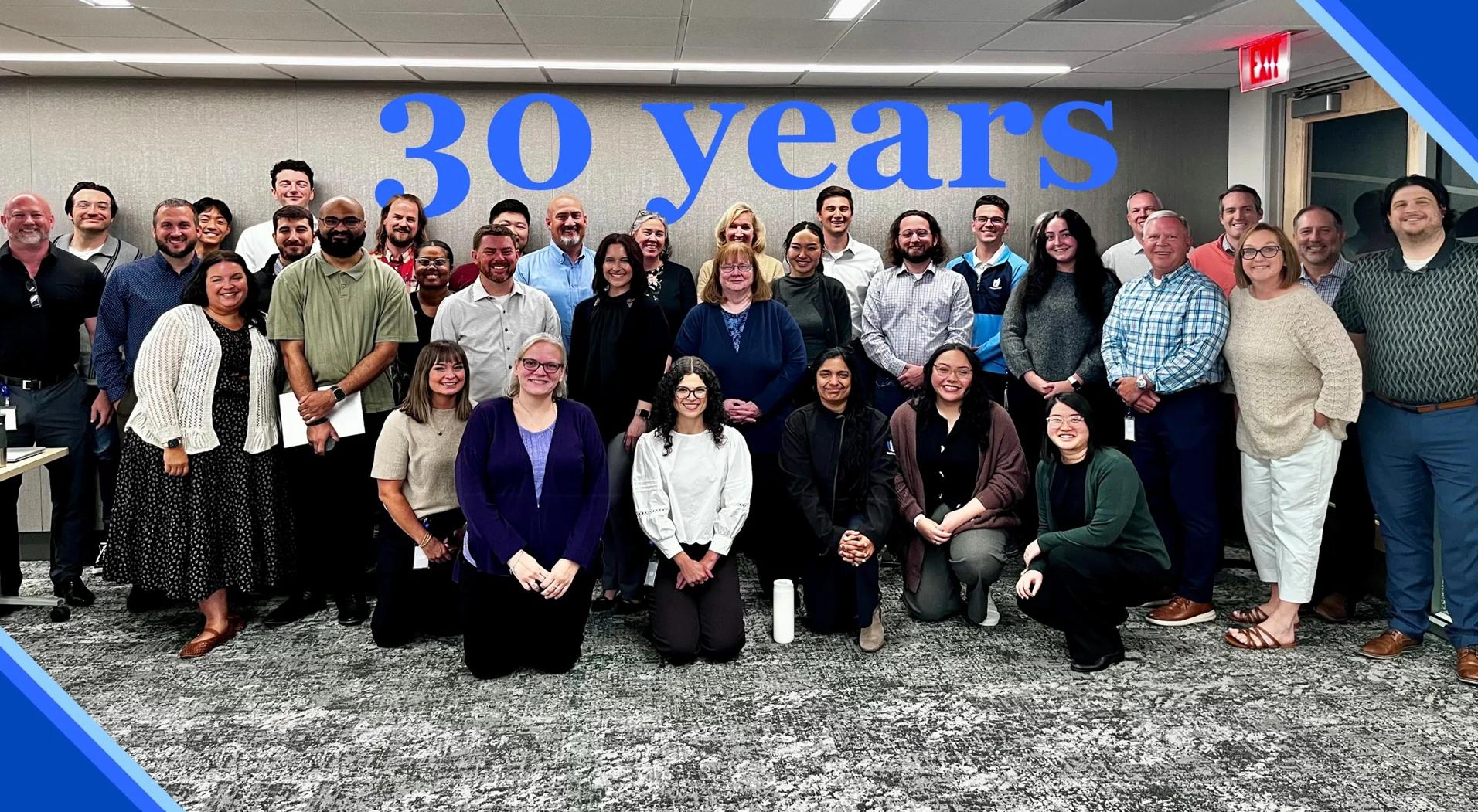
Nationwide’s Institutional Life Insurance team celebrates 30 years of protecting businesses
Image File
Original HTML

Nationwide’s Institutional Life Insurance team celebrates 30 years of protecting businesses

- Nationwide’s Institutional Life Insurance (ILI) business is celebrating 30 years of serving companies with corporate-owned and bank-owned life insurance solutions, supporting more than 1,100 organizations nationwide.

- More than 60,000 institutional life insurance policies are in force, reflecting ILI’s long-standing focus on client service, retention and industry expertise.

- ILI’s team of more than 50 specialists provides end-to-end support, from underwriting and implementation to ongoing case management, helping deliver long-term value for clients and financial professionals.

For three decades, Nationwide’s Institutional Life Insurance (ILI) team has provided innovative solutions and exceptional service to businesses. As ILI celebrates its 30th year as a leader in the institutional life insurance market, the organization is reflecting on a legacy built on expertise, strong client relationships and a commitment to delivering value for businesses and financial professionals alike.

The ILI team provides corporate-owned life insurance (COLI) and bank-owned life insurance (BOLI) products to businesses across the country, serving more than 1,100 organizations, including many Fortune 1000 companies. COLI and BOLI policies are lesser-known types of life insurance policies that help businesses informally fund employee benefits and cover the expenses associated with replacing insured employees. Companies purchase, own and serve as the beneficiary of COLI policies, just as banks do with BOLI policies.

“For 30 years, Nationwide has remained steadfastly committed to the institutional life insurance market, continuing to invest in this space rather than moving in and out of the market as conditions shift,” said Jessica Dowdy, president of Nationwide Institutional Life Insurance. “With more than 60,000 institutional life insurance policies in force, we understand the value of strong partnerships with financial professionals and the trust their clients place in us. As a modern mutual, Nationwide is uniquely positioned to put customers at the center of every decision, creating a level of alignment, stability and trust that sets us apart from many competitors. Our team is committed to supporting partners and clients through every stage of the process, from evaluating options and pricing products to providing ongoing service after a policy is issued.”

That commitment is backed by a team of more than 50 experienced institutional life insurance specialists who understand the unique needs of businesses and financial professionals. Their focus on service and long-term relationships has helped ILI build an impressive track record of client retention. In fact, the organization continues to serve its first business client from 30 years ago.

A key driver of ILI’s success is its end-to-end service model. From initial sales support and specialized underwriting to policy implementation and ongoing case management, the team partners closely with clients throughout the life of every policy. This comprehensive approach helps ensure a seamless experience and meaningful long-term value.

“Thirty years is an important milestone, but what truly sets us apart is our people,” Dowdy said. “ILI is made up of dedicated industry specialists who are passionate about helping clients succeed. We’re proud of what we’ve accomplished together and remain committed to delivering the expertise, service and solutions our clients rely on today and in the future.”

Visit https://www.nationwide.com/financial-professionals/products/institutional-life/business-life/ for more information and resources on ILI and institutional life insurance.

CLM-1297AO

09/2026

Class (B2B/B2C)
B2B
Ingest Status
Need Review
Dedupe hash
fa43886cb1f954b1da63c8cab197db14
Press Eligible
Yes
Press Eligible Reason
Manuelle Prüfung nötig. Risiko: MEDIUM. Flags: ['numbers']. Stichprobe: False
Source Name
Nationwide
Original Summary

<p><span>As Nationwide’s Institutional Life Insurance team celebrates its 30<sup>th</sup> year as a leader in the market, the organization is reflecting on a legacy built on expertise, strong client relationships and a commitment to delivering value for businesses and financial professionals alike.</span></p>

Image URL
https://content.presspage.com/uploads/2497/83898e73-bd40-44b2-a72a-135fae1a2402/1920_iligroupphoto-30thanniversary.png?10000
Source Node
Generated Article_json
{"target_audience": "b2b", "is_medical": false, "ai_generated_title": "Nationwide Institutional Life Hits 30 Years, 60,000 Policies", "body_html": "<p><strong>United States -- [CURRENT_DATE] --</strong> Nationwide's Institutional Life Insurance (ILI) unit serves more than 1,100 organizations and has more than 60,000 policies in force as it marks 30 years in the corporate-owned and bank-owned life insurance market.</p><h5>ILI client base includes many Fortune 1000 companies</h5><p>ILI sells corporate-owned life insurance (COLI) and bank-owned life insurance (BOLI) to businesses across the country. Companies purchase, own and are the beneficiary of COLI policies, as banks are with BOLI. The policies help businesses informally fund employee benefits and cover the expenses of replacing insured employees.</p><h5>Unit still serves its first client from 30 years ago</h5><p>A team of more than 50 specialists supports clients and financial professionals. Nationwide credits their service focus for ILI's client retention record, and the unit continues to serve the first business client it signed three decades ago.</p><h5>End-to-end model runs from sales support to case management</h5><p>ILI handles initial sales support, specialized underwriting, policy implementation and ongoing case management across the life of each policy.</p><p>Jessica Dowdy, president of Nationwide Institutional Life Insurance, said Nationwide has kept investing in the segment \"rather than moving in and out of the market as conditions shift.\" She described Nationwide as a modern mutual that puts customers at the center of its decisions.</p>", "meta_description": "Nationwide's Institutional Life Insurance unit marks 30 years serving 1,100+ organizations with COLI and BOLI, with 60,000+ policies in force and 50+ specialists.", "seo_keywords": "Nationwide, institutional life insurance, COLI, BOLI, corporate-owned life insurance, bank-owned life insurance, employee benefits funding, Jessica Dowdy, client retention", "companies": ["Nationwide"], "industries": ["Financial Services"], "markets_regions": ["United States"], "news_type": ["company_milestone"], "products": ["Nationwide Institutional Life Insurance"], "themes": ["customer_retention", "employee_benefits_funding"], "events": [], "cta_text": "Explore Nationwide's institutional life insurance resources for COLI and BOLI", "learn_more": "https://www.nationwide.com/financial-professionals/products/institutional-life/business-life/", "fact_check": {"accuracy_score": 100, "legal_risk": "low", "corrections_made": ["Dateline uses country (United States) as no city was named in the source", "Omitted PR metadata and compliance codes"], "recommendation": "publish"}}
Content Hash (SHA-256, erste 32 hex)
4e774921c085133a7bea328a8ed4b6c1
AI-powered scams are changing how consumers respond to everyday messages
Image File
Original HTML

AI-powered scams are changing how consumers respond to everyday messages

- 84% of consumers are concerned about AI-enabled identity theft, but only 19% are highly confident they could identify an AI-powered scam.

- Nearly four in 10 consumers (39%) have ignored or delayed responding to a legitimate delivery notice because they suspected it was a scam.

- Just 17% of consumers have established a family code phrase that can help verify a loved one’s identity during a suspicious call or message.

Artificial intelligence is making scams more difficult to identify, and growing concern about fraud is changing how Americans respond to everyday communications, according to Nationwide’s 2026 Cybersecurity survey.

For Nationwide, the survey findings reinforce the importance of helping people understand emerging digital risks and giving them practical ways to protect their identity, information and finances.

Nearly four in 10 consumers (39%) say they have ignored or delayed responding to a legitimate delivery notice because they suspected it was a scam. Nearly three in 10 (29%) say they have done the same with a legitimate government message or bank alert.

That caution comes as consumers grapple with increasingly convincing AI-enabled threats. More than eight in 10 (84%) are concerned about criminals using AI to steal someone’s identity, yet only 19% are highly confident they could identify an AI-powered scam.

“AI is giving scammers new ways to make fraudulent messages, calls and requests look and sound more convincing,” said Helen Simonett, Vice President of Personal Property Lines at Nationwide. “Consumers are right to be cautious, but when it becomes difficult to distinguish a scam from a legitimate message, that uncertainty can also affect how people respond to important communications they rely on every day.”

AI is making scams harder to spot

As generative AI tools become more sophisticated and widely available, cybercriminals use them to create convincing phishing messages and impersonation attempts designed to appear as though they are coming from a trusted person or organization.

For consumers, that can make familiar warning signs harder to rely on. A message with polished language or a call that sounds like someone they know may no longer be enough to establish legitimacy.

The survey findings suggest consumers recognize the changing threat but may not feel confident identifying it. The gap between widespread concern about AI-enabled identity theft and confidence in spotting an AI-powered scam underscores the importance of slowing down and independently verifying unexpected requests before responding.

“Scammers often want people to react quickly, particularly when a message involves money, personal information or an apparent emergency,” said Simonett. “If something feels unusual, consumers should avoid using the contact information provided in the message and instead reach out to the person, company or institution through a phone number, website or app they already know and trust.”

What consumers can do to protect themselves

The survey shows consumers are already taking some basic precautions: 57% use strong, unique passwords and 47% use multifactor authentication to protect themselves from AI-powered scams and other cyber threats. But verification habits can provide another layer of protection.

- Verify unexpected requests through another channel. Contact the person or organization using a phone number, website or app you already know rather than information contained in the suspicious message.

- Create a family code phrase. Just 17% of consumers say their household currently has one for confirming a loved one’s identity during an urgent call or message.

- Use basic account protections. Strong, unique passwords, multifactor authentication and regular account monitoring can make accounts harder to compromise.

- Understand your coverage before you need it. Even with precautions in place, scams can happen. Know what protection your insurance provides, where there may be gaps and who to contact if you become a victim.

- Consider identity theft protection. Identity theft coverage may provide another layer of protection, including monitoring for suspicious activity involving personal information and help navigating recovery or reimbursement of certain related expenses. Nationwide identity theft protection is available for $45 per year when added to an eligible Nationwide auto, home, renters, condo or RV policy.

More findings from the 2026 Nationwide Cybersecurity survey can be found here.

Learn about Nationwide’s ID theft protection.

Class (B2B/B2C)
B2C
Ingest Status
Need Review
Dedupe hash
26268647208a895ce51971de9d52471d
Press Eligible
Yes
Press Eligible Reason
Manuelle Prüfung nötig. Risiko: HIGH. Flags: ['finance', 'numbers']. Stichprobe: False
Source Name
Nationwide
Original Summary

<p style="margin-left: 0px; text-align: left;"><span style="margin: 0px; padding: 0px;">Artificial intelligence is making scams more difficult to identify, and growing concern about fraud is changing how Americans respond to everyday communications, according to Nationwide’s 2026 Cybersecurity survey. </span></p><p style="margin-left: 0px; text-align: left;"><span style="margin: 0px; padding: 0px;">For Nationwide, the survey findings reinforce the importance of helping people understand emerging digital risks and giving them practical ways to protect their identity, information and finances. </span></p><p style="margin-left: 0px; text-align: left;"><span style="margin: 0px; padding: 0px;">Nearly four in 10 consumers (39%) say they have ignored or delayed responding to a legitimate delivery notice because they suspected it was a scam. Nearly three in 10 (29%) say they have done the same with a legitimate government message or bank alert. </span></p><p style="margin-left: 0px; text-align

Image URL
https://content.presspage.com/uploads/2497/ac4f83e2-e49c-476d-8531-684c0f31b1e8/1920_plcybernewsroomimage-adobestock_1763108424.jpeg?10000
Source Node
Generated Article_json
{"target_audience": "b2c", "is_medical": false, "ai_generated_title": "AI Scams Make 39% of Consumers Ignore Real Delivery Notices", "body_html": "<p><strong>United States -- [CURRENT_DATE] --</strong> Fear of AI-powered fraud is making Americans hesitate over messages they actually need: 39% say they have ignored or delayed responding to a legitimate delivery notice because they suspected a scam, according to Nationwide's 2026 Cybersecurity survey.</p><p>Nearly three in 10 respondents (29%) did the same with a genuine government message or bank alert.</p><h5>Concern is high, confidence is low</h5><p>Some 84% of consumers worry about criminals using AI to steal someone's identity. Only 19% are highly confident they could identify an AI-powered scam.</p><p>Generative AI tools let cybercriminals build convincing phishing messages and impersonation attempts that appear to come from a trusted person or organization. Polished language or a familiar-sounding voice on a call may no longer prove a message is real.</p><p>\"Scammers often want people to react quickly,\" said Helen Simonett, Vice President of Personal Property Lines at Nationwide, particularly when money, personal information or an apparent emergency is involved.</p><h5>Verify through channels you already trust</h5><p>Simonett advises against using the contact details in a suspicious message. Instead, reach the person, company or institution through a phone number, website or app you already know.</p><p>Basic precautions are common but not universal. 57% of consumers use strong, unique passwords, and 47% use multifactor authentication.</p><h5>Only 17% have a family code phrase</h5><p>A family code phrase can confirm a loved one's identity during an urgent call or message, yet just 17% of households have one.</p><p>Nationwide's other tips include regular account monitoring and knowing what your insurance covers, where gaps may exist and whom to contact if you become a victim.</p><p>Identity theft coverage can add monitoring for suspicious activity involving personal information, plus help with recovery or reimbursement of certain related expenses. Nationwide identity theft protection costs $45 per year when added to an eligible Nationwide auto, home, renters, condo or RV policy.</p>", "meta_description": "Nationwide's 2026 survey finds 84% fear AI identity theft, just 19% feel confident spotting AI scams, and 39% have delayed answering real delivery notices.", "seo_keywords": "AI scams, identity theft, Nationwide survey, phishing, family code phrase, cybersecurity, multifactor authentication, delivery scam, consumer protection", "companies": ["Nationwide"], "topics": ["Money & Finance", "Technology & Telecom"], "markets": ["United States"], "locations": [], "products": ["Nationwide identity theft protection"], "cta_text": "Learn about Nationwide's identity theft protection and the full 2026 Cybersecurity survey findings", "learn_more": "", "fact_check": {"accuracy_score": 100, "legal_risk": "low", "corrections_made": [], "recommendation": "publish"}}
Content Hash (SHA-256, erste 32 hex)
98be4002b12c8b0804d1d1ef217591de
Moody’s changes Nationwide’s P&C business outlook to “positive”
Image File
Original HTML

Moody’s changes Nationwide’s P&C business outlook to “positive”

Moody’s Ratings announced today that it has changed its outlook for Nationwide’s P&C business to “positive” from “stable.” The global ratings agency also affirmed its A1 rating for Nationwide’s financial services (NFS) business, and A2 rating for Nationwide Mutual Insurance Company and Nationwide’s P&C affiliates.

“Moody’s positive outlook for Nationwide P&C is encouraging recognition of the progress our associates and distribution partners are making together,” said Mark Berven, President & COO, Nationwide Property & Casualty. “Our focus on the claims experience, technical excellence, data-informed underwriting, strong governance and disciplined pricing is helping us improve profitability while delivering the specialized protection and insight our distribution partners and members need. The positive outlook from Moody’s reinforces the value of that work.”

Moody’s specifically notes that Nationwide’s P&C business has “improved its profitability in recent years by enhancing its technical capabilities and governance processes as well as taking pricing and underwriting actions.”

The affirmation of NFS reflects Nationwide’s financial services business’ “strong position and brand recognition in U.S. life insurance, annuity and retirement plan markets; its diversified distribution channels; and its consistently strong profitability.”

Moody’s noted “NFS’ strong capitalization, including a relatively high regulatory risk-based capital (RBC) ratio, and its strategic importance to Nationwide Enterprise support continued growth across its target products.”

For more information about Nationwide and Nationwide’s ratings, visit www.nationwide.com or Company Ratings.

Class (B2B/B2C)
B2B
Ingest Status
Need Review
Dedupe hash
bc9d3eb548ec09ef28039ffd47ae6e72
Press Eligible
Yes
Press Eligible Reason
Manuelle Prüfung nötig. Risiko: MEDIUM. Flags: ['finance']. Stichprobe: False
Source Name
Nationwide
Original Summary

<p style="margin-left: 0px; text-align: left;"><a href="https://ratings.moodys.com/ratings-news/474399&quot; rel="noreferrer noopener" target="_blank"><span style="margin: 0px; padding: 0px;"><u>Moody’s Ratings announced</u></span></a><span style="margin: 0px; padding: 0px;"> today that it has changed its outlook for Nationwide’s P&amp;C business to “positive” from “stable.” The global ratings agency also affirmed its A1 rating for Nationwide’s financial services (NFS) business, and A2 rating for Nationwide Mutual Insurance Company and Nationwide’s P&amp;C affiliates. </span></p><p style="margin-left: 0px; text-align: left;"><span style="margin: 0px; padding: 0px;">“Moody’s positive outlook for Nationwide P&amp;C is encouraging recognition of the progress our associates and distribution partners are making together,” said </span><a href="https://news.nationwide.com/mark-berven/?utm_source=NWNewsroom&amp;utm_…; rel="noreferrer noopener" target="_blan

Image URL
https://content.presspage.com/uploads/2497/57955a8b-0462-4440-89d6-4eb9868eb1eb/1920_nationwideplazaone.jpg?10000
Source Node
Generated Article_json
{"target_audience": "b2b", "is_medical": false, "ai_generated_title": "Moody's Lifts Nationwide P&C Outlook to Positive, Affirms A1/A2", "body_html": "<p><strong>United States -- [CURRENT_DATE] --</strong> Moody's Ratings has raised its outlook for Nationwide's property and casualty (P&C) business to \"positive\" from \"stable,\" while affirming the A1 rating for Nationwide's financial services (NFS) business and the A2 rating for Nationwide Mutual Insurance Company and its P&C affiliates.</p><h5>Moody's credits P&C profitability gains to technical, governance and pricing actions</h5><p>The agency said Nationwide's P&C business has \"improved its profitability in recent years by enhancing its technical capabilities and governance processes as well as taking pricing and underwriting actions.\"</p><p>Mark Berven, President and COO of Nationwide Property &amp; Casualty, said the unit is focused on claims experience, technical excellence, data-informed underwriting, governance and disciplined pricing. He said these efforts are improving profitability while delivering specialized protection to distribution partners and members.</p><h5>NFS keeps A1 rating on U.S. life, annuity and retirement strength</h5><p>Moody's tied the NFS affirmation to the business's strong position and brand recognition in U.S. life insurance, annuity and retirement plan markets. It also cited diversified distribution channels and consistently strong profitability.</p><p>The agency pointed to NFS's strong capitalization, including a relatively high regulatory risk-based capital (RBC) ratio. It added that NFS's strategic importance to the Nationwide enterprise supports continued growth across its target products.</p>", "meta_description": "Moody's changed its outlook on Nationwide's P&C business to positive from stable and affirmed A1 for financial services and A2 for Nationwide Mutual Insurance.", "seo_keywords": "Moody's, Nationwide, P&C insurance, positive outlook, A1 rating, A2 rating, credit rating, life insurance, annuity, RBC ratio", "companies": ["Nationwide", "Moody's Ratings"], "industries": ["Financial Services"], "markets_regions": ["United States"], "news_type": ["financial_disclosure"], "products": [], "themes": ["credit_ratings", "profitability"], "events": [], "cta_text": "Review Nationwide's company ratings and background information", "learn_more": "https://www.nationwide.com", "fact_check": {"accuracy_score": 100, "legal_risk": "low", "corrections_made": [], "recommendation": "publish"}}
Content Hash (SHA-256, erste 32 hex)
4a664bb2fe93bb831835e643be8ded09