4 – Statement of changes in beneficial ownership of securities
Image File
Original HTML

Skip to content

For emergencies, please call

+1-877-711-1138

News

Vendors

Careers

Get In Touch With Us

News

Vendors

Careers

Get In Touch With Us

Search

About Us

Who We Are

Our Team

Corporate Governance

Operations

Upstream Operations

Midstream and Marketing

Next LVL Energy

Owner Relations

Revenue Statements

Tax Revenue

Sustainability

Environment

Our Employees

Our Communities

Reporting & Performance

Governance & Oversight

Community Relations

Community Giving

Grant Application

Investor Resources

News

Vendors

Careers

Get In Touch With Us

Back to News

4 – Statement of changes in beneficial ownership of securities

SEC Filings

•

October 1, 2026

About Us

Who We Are

Our Team

Corporate Governance

Operations

Upstream Operations

Midstream and Marketing

Next LVL Energy

Owner Relations

Revenue Statements

Tax Revenue

Sustainability

Environment

Our Employees

Our Communities

Reporting & Performance

Governance & Oversight

Community Relations

Community Giving

Grant Application

Investor Resources

News

Vendors

Careers

Get In Touch With Us

For emergencies,

please call 1-877-711-1138

Ingest Status
Rejected
Dedupe hash
c2d7f63fae213c67f0769d93f232706d
Source Name
Diversified Energy PLC
Image URL
https://www.div.energy/wp-content/uploads/2023/10/1200x630.jpg
Content Hash (SHA-256, erste 32 hex)
24dcf910bca7d3487fd629f123b7aab0
4 – Statement of changes in beneficial ownership of securities
Image File
Original HTML

Skip to content

For emergencies, please call

+1-877-711-1138

News

Vendors

Careers

Get In Touch With Us

News

Vendors

Careers

Get In Touch With Us

Search

About Us

Who We Are

Our Team

Corporate Governance

Operations

Upstream Operations

Midstream and Marketing

Next LVL Energy

Owner Relations

Revenue Statements

Tax Revenue

Sustainability

Environment

Our Employees

Our Communities

Reporting & Performance

Governance & Oversight

Community Relations

Community Giving

Grant Application

Investor Resources

News

Vendors

Careers

Get In Touch With Us

About Us

Who We Are

Our Team

Corporate Governance

Operations

Upstream Operations

Midstream and Marketing

Next LVL Energy

Owner Relations

Revenue Statements

Tax Revenue

Sustainability

Environment

Our Employees

Our Communities

Reporting & Performance

Governance & Oversight

Community Relations

Community Giving

Grant Application

Investor Resources

News

Vendors

Careers

Get In Touch With Us

Back to News

4 – Statement of changes in beneficial ownership of securities

SEC Filings

•

October 1, 2026

About Us

Who We Are

Our Team

Corporate Governance

Operations

Upstream Operations

Midstream and Marketing

Next LVL Energy

Owner Relations

Revenue Statements

Tax Revenue

Sustainability

Environment

Our Employees

Our Communities

Reporting & Performance

Governance & Oversight

Community Relations

Community Giving

Grant Application

Investor Resources

News

Vendors

Careers

Get In Touch With Us

For emergencies,

please call 1-877-711-1138

Ingest Status
Rejected
Dedupe hash
3fa46fdf2a030db8ba5fcfab5cde42bb
Source Name
Diversified Energy PLC
Image URL
https://www.div.energy/wp-content/uploads/2023/10/1200x630.jpg
Content Hash (SHA-256, erste 32 hex)
24dcf910bca7d3487fd629f123b7aab0
Stop rejecting shipments you can’t explain: how QR-enabled temperature indicators end “return by default”
Image File
Original HTML

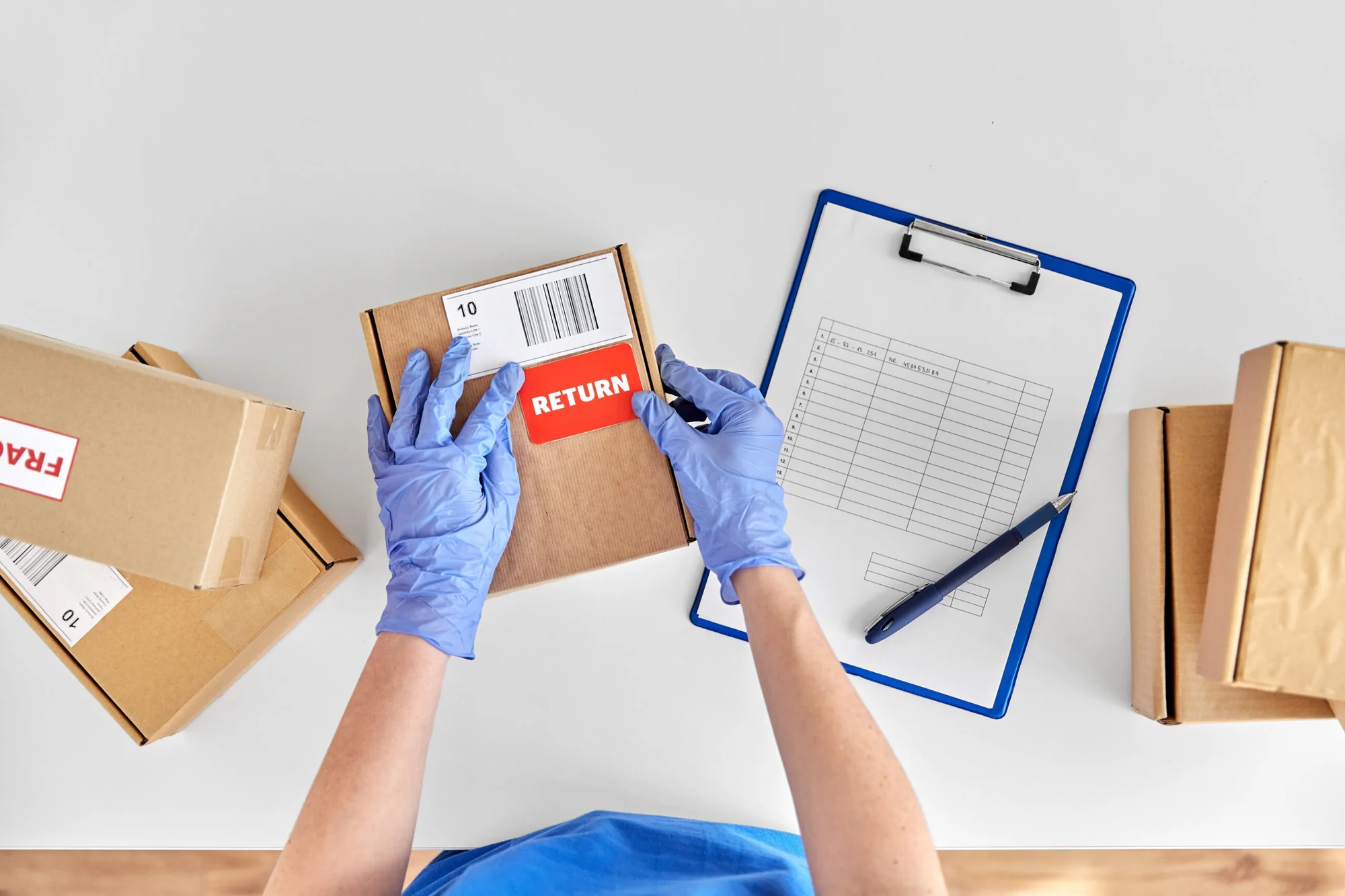
A temperature-sensitive shipment arrives at a pharmacy. The box looks intact. The driver reports it was kept cold throughout transit. But there is no record, no log, nothing the pharmacist can scan or present to a quality reviewer. So the shipment gets rejected.

This is “return by default”: a rejection driven not by evidence of failure, but by the absence of evidence of success. It is one of the most avoidable sources of product loss in pharmaceutical last-mile logistics, and it occurs across pharmacies, clinics, and home delivery programs alike.

QR-enabled temperature indicators, such as WarmMark QR and FreezeSafe QR, address this problem directly by creating a retrievable evidence layer at the point of receipt.

The real cost of “return by default” is the pattern, not the product

A “return by default” rejection is not triggered by a confirmed temperature excursion. It is triggered by the inability to rule one out. When a receiving pharmacist, clinic technician, or home delivery patient cannot verify what happened to a shipment during transit, the cautious and often correct decision is to quarantine or reject it.

The individual rejection may be the right call. The pattern, however, is expensive. Across a network of last-mile stops, each unverifiable delivery represents a potential reship, a patient without medication, a customer service escalation, or a quality investigation that cannot be resolved because there is nothing to investigate. The problem compounds across routes and therapy classes, from biologics and vaccines to compounded medications and diagnostics.

Many of these rejections are avoidable. The shipment may have remained within acceptable conditions throughout transit. Without documentation, that possibility cannot be confirmed, and the cost of uncertainty is absorbed by the shipper.

Why “no scan = no proof” is the core problem

At the point of receipt, the decision logic is straightforward. A receiving professional needs to answer one question: was this shipment within acceptable temperature conditions during transit? If the answer is verifiable, a decision can be made. If it is not, the default is rejection or quarantine.

A visual indicator alone does not fully close this gap. A color change communicates that a threshold was reached, but it does not capture when the excursion occurred, for how long, where in the journey it happened, or which specific unit was affected. That contextual information matters when a pharmacist needs to defend a receiving decision, when a quality team opens a deviation review, or when a shipper disputes a carrier’s handling claim.

In regulated environments, the absence of a retrievable record is often what drives default rejection. It is not that the shipment is assumed to have failed. It is that no one can demonstrate it did not. The result is a documentation gap that visual indication alone cannot fill.

QR-enabled indicators create the evidence layer that changes the decision

WarmMark QR and FreezeSafe QR are designed to address exactly this gap. WarmMark QR monitors ascending temperature conditions, activating when a shipment is exposed to temperatures above a defined threshold. FreezeSafe QR monitors descending temperature conditions, indicating when a shipment has been exposed to temperatures below a defined freeze threshold. Both are single-use, battery-free indicators suited for pharmaceutical last-mile applications.

The QR function changes what happens at receipt. When a receiving professional/patient scans the indicator with any smartphone, no dedicated app required, the scan captures the indicator condition along with the time, date, location, and serial number of that specific unit. That data is uploaded in real time to the SpotSee Cloud, where it becomes a retrievable, cloud-based record.

This record does several things that a visual read alone cannot. It creates a documented chain of receipt decisions that can be reviewed during quality investigations. It gives shippers visibility into where in the last-mile network documentation gaps are occurring. And it provides a defensible basis for accepting or rejecting a shipment, one that does not rely on memory, manual logging, or carrier-supplied data.

WarmMark QR is also designed to support 21 CFR Part 11 record-keeping and user access requirements, making it suitable for operations where electronic records must meet specific compliance standards.

Because no app is required, the workflow is practical for the full range of last-mile recipients. A pharmacist, a clinic technician, or a patient receiving medication at home can complete the scan with a standard smartphone. The barrier to documentation is low, and the evidence created is consistent.

Matching the right indicator to the right delivery scenario

Not every last-mile stop requires the same level of documentation. The choice of indicator should reflect what the receiving professional needs to do with the information.

For pharmacies and clinics handling regulated products, WarmMark QR or FreezeSafe QR provide cloud-based records that support audit readiness, deviation reviews, and dispute resolution. These are environments where shipment decisions may need to be defended after the fact, and where a retrievable scan record carries operational value beyond the moment of receipt.

For home delivery programs, the same QR-enabled indicators give patients and caregivers a way to verify shipment condition without relying solely on a color interpretation. A scan provides objective confirmation, which reduces uncertainty and supports patient confidence in the medication they have received.

The practical starting point is to identify which stops in your last-mile network currently generate the most “no proof” rejections. Those are the checkpoints where a QR-enabled evidence layer is likely to create the greatest operational value.

The goal is not simply to monitor temperature. The goal is to give the person making the receiving decision enough evidence to act with confidence, and to give the quality team enough documentation to close the loop.

—-

You might also like

- How one app-free scan resolves cold chain blind spots

- Ensuring safe delivery of compounded GLP-1 medications: best practices and tools

- From damage report to decision: speeding up complaint handling in high-value shipments

Class (B2B/B2C)
B2B
Ingest Status
Rewritten
Dedupe hash
f6bb8b81207076dc8e86e11ca8e55ed8
Press Eligible
Yes
Press Eligible Reason
Discusses QR-enabled temperature monitoring and documentation for pharmaceutical last-mile logistics.
Source Name
Spot.See
Original Summary

<p>  A temperature-sensitive shipment arrives at a pharmacy. The box looks intact. The driver reports it was kept cold throughout transit. But there is no record, no log, nothing the pharmacist can scan or present to a quality reviewer. So the shipment gets rejected. This is &#8220;return by default&#8221;: a rejection driven not by evidence [&#8230;]</p>
<p>The post <a href="https://spotsee.io/blog/qr-temperature-indicators-shipment-returns/">St… rejecting shipments you can&#8217;t explain: how QR-enabled temperature indicators end &#8220;return by default&#8221;</a> appeared first on <a href="https://spotsee.io">SpotSee</a>.</p&gt;

Image URL
https://spotsee.io/wp-content/uploads/2026/06/shutterstock_1984730720-scaled.jpg
Source Node
Content Hash (SHA-256, erste 32 hex)
2f428bde53f7bddd0f3e49342a550241
“Temperature compliant” and “temperature documented” are not the same thing
Image File
Original HTML

You have invested in validated packaging. You have a qualified carrier. The shipment leaves your facility within specification and arrives on time. By every internal measure, the cold chain held.

And yet the receiving team cannot confirm it. The patient does not know what to trust. The quality investigation opens anyway. A replacement ships.

This is not a temperature control failure. It is a documentation failure, and in life sciences, pharmaceutical distribution, and direct-to-patient programs, those two problems now carry nearly identical operational weight.

Compliance and documentation are not the same requirement

A shipment can remain within specification for its entire journey and still arrive with no evidence that this was the case. Temperature control and temperature documentation are related, but they are not the same thing. Confusing them is one of the most common structural gaps in cold chain assurance.

Temperature control is about maintaining the right conditions during transit: validated packaging, qualified carriers, appropriate thermal protection. Temperature documentation is about being able to prove that those conditions held, at the moment someone needs to make a decision.

The concept of evidence at receipt is distinct from temperature control in transit. A shipment can be perfectly managed upstream and still arrive without any receipt-level record. When that happens, the absence of documentation creates the same downstream burden as an actual temperature excursion: investigations open, decisions stall, and product confidence erodes.

This is not a failure of intent. Most organizations invest seriously in packaging and carrier qualification. The gap is structural: documentation is treated as a logistics function rather than a quality deliverable at the final hand-off.

Receiving teams are increasingly being asked to prove what they cannot see

The receiving moment has changed. It is no longer just a delivery step. For teams handling temperature-sensitive pharmaceuticals, biologics, or clinical trial materials, receipt is now a decision point: accept, reject, or escalate. And that decision depends on available evidence, not just physical condition.

This shift is being felt across the industry. Quality teams, accrediting bodies, and internal SOPs are increasingly asking receiving staff to document condition at the point of delivery, not just note that a package arrived. The question is no longer “did it arrive?” but “can you show what condition it was in when it got here?”

In home delivery and decentralized receiving environments, the challenge is more acute. The person at the point of receipt is often a patient, a caregiver, or a non-specialist who cannot interpret carrier data or temperature logs. What they can do is read a clear, visual indicator. When no such indicator is present, they have no basis for a confident decision.

The operational consequence is predictable. Without evidence, teams default to caution. Reships are triggered. Quality investigations open. Customer service escalations follow. Many of these are avoidable, not because the shipment failed, but because no one could confirm that it did not.

Home delivery and direct-to-patient programs have shifted where documentation risk lives

Traditional cold chain documentation was designed for controlled receiving environments: hospital pharmacies, distribution centers, clinical sites. These are places with trained staff, established SOPs, and the infrastructure to interpret data logs and carrier records. Documentation gaps in these settings are manageable because the people involved know how to investigate them.

Direct-to-patient and ship-to-home programs operate differently. The final hand-off now occurs outside controlled environments, at a patient’s door or a remote clinical site, often without trained receiving personnel. The documentation gap that was manageable in a hospital pharmacy becomes a recurring exposure when it is replicated across thousands of home deliveries.

For compounding pharmacies, this is not a future risk. It is a current operational reality. As home delivery volume grows, the absence of receipt-level evidence becomes a compliance exposure that surfaces repeatedly: in patient inquiries, in quality investigations, and in the growing expectations of accrediting bodies that want to see documented, defensible shipment decisions.

The same dynamic is visible in decentralized clinical trials and specialty pharmaceutical distribution. As these programs expand, the point of receipt moves further from the center of the distribution network, and the need for self-contained evidence at delivery becomes more critical, not less.

Audit readiness and chain of custody require evidence that exists at the moment of receipt

Audit readiness is not retrospective. It depends on documentation that was created at the time of the event, not reconstructed afterward from memory, carrier logs, or shipping records. When a quality investigation opens six weeks after a delivery, the question is not whether the carrier performed well. It is whether there is a contemporaneous record of condition at the point of receipt.

Chain of custody, as a concept, extends to the final delivery point. Each hand-off in the chain requires a documented condition read, not just the upstream legs. A well-documented upstream journey does not compensate for an undocumented final delivery. In fact, the contrast can make the gap more visible during an audit: every step is documented except the one that matters most to the patient.

Quality investigations become significantly harder to close when the last leg of the chain has no evidence. Teams are left reconstructing what probably happened rather than confirming what actually did. This creates ambiguity that is difficult to resolve, costly to investigate, and hard to defend.

In life sciences and specialty pharma, demonstrating control and consistency throughout distribution is an expectation, not a differentiator. Regulatory and accreditation frameworks increasingly emphasize the ability to show that appropriate handling occurred at every stage, including delivery. Organizations that cannot produce receipt-level evidence are not failing to go above and beyond. They are failing to meet a baseline expectation.

No evidence at receipt creates the same operational problem as a real excursion

This is the point that most cold chain planning does not account for. When a receiving team cannot confirm condition, they must act as if the worst case is possible. That means the same workflow, the same investigation, and often the same replacement cost, regardless of whether the shipment actually failed.

The operational equivalence is real. A confirmed temperature excursion and an unconfirmed shipment trigger the same response: escalation, investigation, replacement decision. The difference is that a confirmed excursion at least closes quickly. An unconfirmed one stays open until someone can gather enough evidence to make a call, which may never happen.

This is the practical argument for documentation at receipt. It is not about adding process. It is about avoiding the cost of uncertainty. A clear, readable condition record at delivery allows the receiving party to make a confident decision: accept, flag for review, or reject. That decision, documented at the point of receipt, closes the loop.

A good read at delivery is a decision-enabling tool. It is not a substitute for validated packaging or data loggers. It is the final layer of a layered monitoring approach, the one that makes the decision at the last hand-off possible without an investigation. WarmMark QR, FreezeSafe QR, ColdMark, and ColdChain Complete are built for exactly this moment: a clear, documented read at the point of receipt, without requiring additional infrastructure or trained personnel.

Building documentation into the receiving moment, not after it

A documentation-forward receiving workflow does not have to be a complex one. The goal is straightforward: create a condition record at the point of delivery that is clear enough to support a decision and durable enough to support an audit.

In practice, this means placing an indicator or electronic monitoring device on the shipment that provides a readable condition record at receipt. For temperature-sensitive pharmaceutical shipments, that record needs to answer the question the receiving party is actually asking: was this shipment within acceptable range when it arrived?

QR-enabled indicators such as WarmMark QR and FreezeSafe QR allow a receiving party to scan and log condition at delivery without additional infrastructure or specialized training. The role of a receipt-level indicator is to close the documentation gap at the final hand-off, the one point in the cold chain where evidence has historically been weakest and where the consequences of its absence are most directly felt by the patient, the pharmacy, and the quality team.

This is not a new system to manage. It is a layer that fits into existing cold chain workflows, one that makes the decision at receipt possible without adding complexity.

The question has changed

For organizations managing direct-to-patient shipments, clinical trial distribution, or specialty pharmaceutical fulfillment, the question is no longer only whether temperature was maintained. It is whether the team at the point of receipt can confirm it, document it, and act on it.

That distinction is where the next generation of cold chain assurance is being built. The shipments that create the most operational burden are rarely the ones that failed. They are the ones where no one could prove they did not.

—

You might also like

Class (B2B/B2C)
B2B
Ingest Status
Rewritten
Dedupe hash
9c6d2ca7579309071ee1fb787be48ef2
Press Eligible
Yes
Press Eligible Reason
Discusses cold-chain documentation and operational practices in pharmaceutical and life sciences distribution.
Source Name
Spot.See
Original Summary

<p>You have invested in validated packaging. You have a qualified carrier. The shipment leaves your facility within specification and arrives on time. By every internal measure, the cold chain held. And yet the receiving team cannot confirm it. The patient does not know what to trust. The quality investigation opens anyway. A replacement ships. This [&#8230;]</p>
<p>The post <a href="https://spotsee.io/blog/temperature-documentation-vs-compliance/">&#822… compliant&#8221; and &#8220;temperature documented&#8221; are not the same thing</a> appeared first on <a href="https://spotsee.io">SpotSee</a>.</p&gt;

Image URL
https://spotsee.io/wp-content/uploads/2026/07/shutterstock_2717683821-scaled.jpg
Source Node
Content Hash (SHA-256, erste 32 hex)
811917c26f3860f2bf9c984350abdb78
The cost of finding out too late: why condition monitoring is moving closer to the receiving dock
Image File
Original HTML

A shipment arrives at the receiving dock. The packaging is intact. The carrier marks it delivered. No one flags anything. Later, a component fails inspection, a temperature-sensitive product is found to have been compromised, or a warranty claim is filed.

This scenario is common across manufacturing, distribution, pharmaceuticals, and industrial supply chains. The problem is not that damage or excursions occur. It is that the evidence needed to determine when and where they happened is often unavailable at the moment it matters most: receipt.

Condition monitoring is shifting as a result. Rather than relying on historical review after something goes wrong, more organizations are moving evidence capture to the receiving dock, where operational decisions are made.

Monitoring has historically happened after the damage is already done

For years, shipment condition data was often reviewed only after a complaint, product failure, or claim triggered an investigation. By then, the shipment had usually been accepted, moved, and processed, making it difficult to determine whether the issue occurred during transit, at receipt, or later in the workflow.

The operational cost is significant. Teams spend time reconstructing events, resolving disputes, and processing replacement shipments instead of acting on documented evidence captured at hand-off.

This is not an isolated problem. It is a structural one. The gap is predictable and repeatable, and it affects any operation that accepts shipments without documented condition evidence at the moment of hand-off.

The receiving dock is the last moment where condition can be verified with full context

The receiving dock is the last point where the shipment is still in transit and a documented decision can be linked directly to carrier responsibility. After acceptance, that context begins to disappear.

This is why the good read or bad read concept matters. Receiving teams already make routing decisions every day. Condition monitoring simply turns those decisions into documented, defensible records.

A receiving team that can confirm a shipment’s condition at hand-off, with a record attached to that moment, is in a fundamentally different position than one that can only say the package looked fine when it arrived.

QR-enabled indicators bring the condition record to the person holding the shipment

The practical challenge of dock-level documentation has always been that the people doing the receiving are not quality analysts. They are handling volume, working quickly, and do not have time for complex systems or additional steps.

QR-enabled indicators are designed around that reality. WarmMark QR provides a visual condition read for heat exposure. FreezeSafe QR addresses freeze events. ShockWatch 2 QR covers impact. Each indicator travels with the shipment and carries its condition history visually. A scan at receipt creates a documented record at the moment of hand-off, without requiring specialized equipment or system integration at the dock.

This matters most when a shipment needs to be rejected or flagged. When that happens, the documentation already exists. The investigation starts with evidence, not assumptions. Claims can be filed immediately, with a timestamped record attached.

Connected devices extend condition visibility across longer transit windows and higher-value shipments

For some shipments, a visual indicator at receipt is the right level of monitoring. For others, the decision requires more: a full record of what happened across the entire transit window, with location and timeline data that supports a deeper investigation.

SpotBot GL and ShockLog Cellular GL + ShockLog 298 serve a different purpose. Rather than documenting condition only at receipt, they provide connected visibility throughout transit, helping teams understand where and when impacts or environmental excursions occurred.

Indicators answer the receipt question. Connected devices support investigation, carrier accountability, and trend analysis across shipments.

This level of monitoring is most relevant for high-value shipments, long-haul routes, or repeat lanes where condition patterns over time inform operational decisions beyond any single delivery.

Documentation at hand-offs is becoming a standard expectation, not a premium practice

The expectation that condition evidence exists at the point of receipt is increasing across industries. It is showing up in customer requirements, insurer expectations, and procurement standards. Teams that cannot produce a condition record at the moment of hand-off are increasingly at a disadvantage when disputes arise.

Claims and carrier disputes resolve faster when the documentation is timestamped to the moment of hand-off. Investigations that begin with evidence are shorter, less costly, and more likely to reach a clear conclusion than those that begin with reconstruction. The administrative burden of claims does not disappear, but it becomes manageable when the evidence is already in place.

This is the operational shift that condition monitoring at receipt enables. Good read / bad read at the dock. Accept / reject decisions with documentation attached. A reduction in the volume and duration of claims investigations. These are not aspirational outcomes. They are the direct result of moving condition visibility to the moment it is most useful.

Start at the dock

For logistics and supply chain teams evaluating where condition monitoring fits in their receiving workflow, the starting point is straightforward. Identify which shipments carry the highest cost when condition is discovered too late. Match the level of monitoring to the level of evidence the decision requires.

SpotSee’s range of indicators and connected devices is designed for exactly that moment. From a visual read at receipt to a full transit record for high-value shipments, the right tool is the one that puts evidence in the hands of the person making the decision.

Frequently asked questions

What is condition monitoring at receipt?

Condition monitoring at receipt means verifying the physical state of a shipment, whether it was exposed to heat, freeze, impact, or other factors, at the moment it arrives at the dock, before acceptance. It uses indicators or connected devices that travel with the shipment and provide a readable condition record at hand-off, without requiring a back-office review or a separate investigation.

Why does it matter whether monitoring happens at receipt versus after delivery?

Once a shipment is accepted, the chain of custody shifts and the carrier’s accountability ends. Any condition evidence gathered after that point cannot be reliably linked to a specific transit event. Monitoring at receipt captures condition data while the shipment is still in its transit state, making accept or reject decisions documentable and defensible. Evidence gathered after the fact rarely resolves disputes as cleanly.

What is the difference between a QR-enabled indicator and a connected device?

A QR-enabled indicator, such as WarmMark QR, FreezeSafe QR, or ShockWatch 2 QR, travels with the shipment and provides a visual condition read at receipt. A scan at the dock creates a timestamped record. A connected device such as SpotBot GL or ShockLog Cellular GL provides continuous condition data across the full transit window, with location and timeline detail. Indicators answer the receipt question. Connected devices answer the investigation question. The right choice depends on the level of evidence the shipment decision requires.

Does using condition indicators at receipt replace validated packaging or data loggers?

No. Condition indicators complement validated packaging and data loggers. They provide operational visibility at the point of receipt, supporting the accept or reject decision and creating documentation at hand-off. They do not replace validated processes or serve as a substitute for data loggers where those are required by regulation or quality standards.

Which shipments benefit most from condition monitoring at receipt?

Shipments where discovering damage after acceptance creates significant operational or financial consequences, including temperature-sensitive products, fragile components, high-value equipment, and shipments with recurring handling issues. Connected devices provide additional visibility for long-haul or high-value lanes.

—

You might also like

Class (B2B/B2C)
B2B
Ingest Status
Rewritten
Dedupe hash
de23747e4e4d7f862e272d091912c217
Press Eligible
Yes
Press Eligible Reason
Covers shipment condition-monitoring products and operational practices for logistics and supply chain teams.
Source Name
Spot.See
Original Summary

<p>A shipment arrives at the receiving dock. The packaging is intact. The carrier marks it delivered. No one flags anything. Later, a component fails inspection, a temperature-sensitive product is found to have been compromised, or a warranty claim is filed. This scenario is common across manufacturing, distribution, pharmaceuticals, and industrial supply chains. The problem is [&#8230;]</p>
<p>The post <a href="https://spotsee.io/blog/condition-monitoring-at-receipt/">The cost of finding out too late: why condition monitoring is moving closer to the receiving dock</a> appeared first on <a href="https://spotsee.io">SpotSee</a>.</p&gt;

Image URL
https://spotsee.io/wp-content/uploads/2026/07/shutterstock_2741103133-scaled.jpg
Source Node
Content Hash (SHA-256, erste 32 hex)
4fa51b9cdc4b288f2698c37f5cdb34e8
The hidden risk upon receipt at the transplant center
Image File
Original HTML

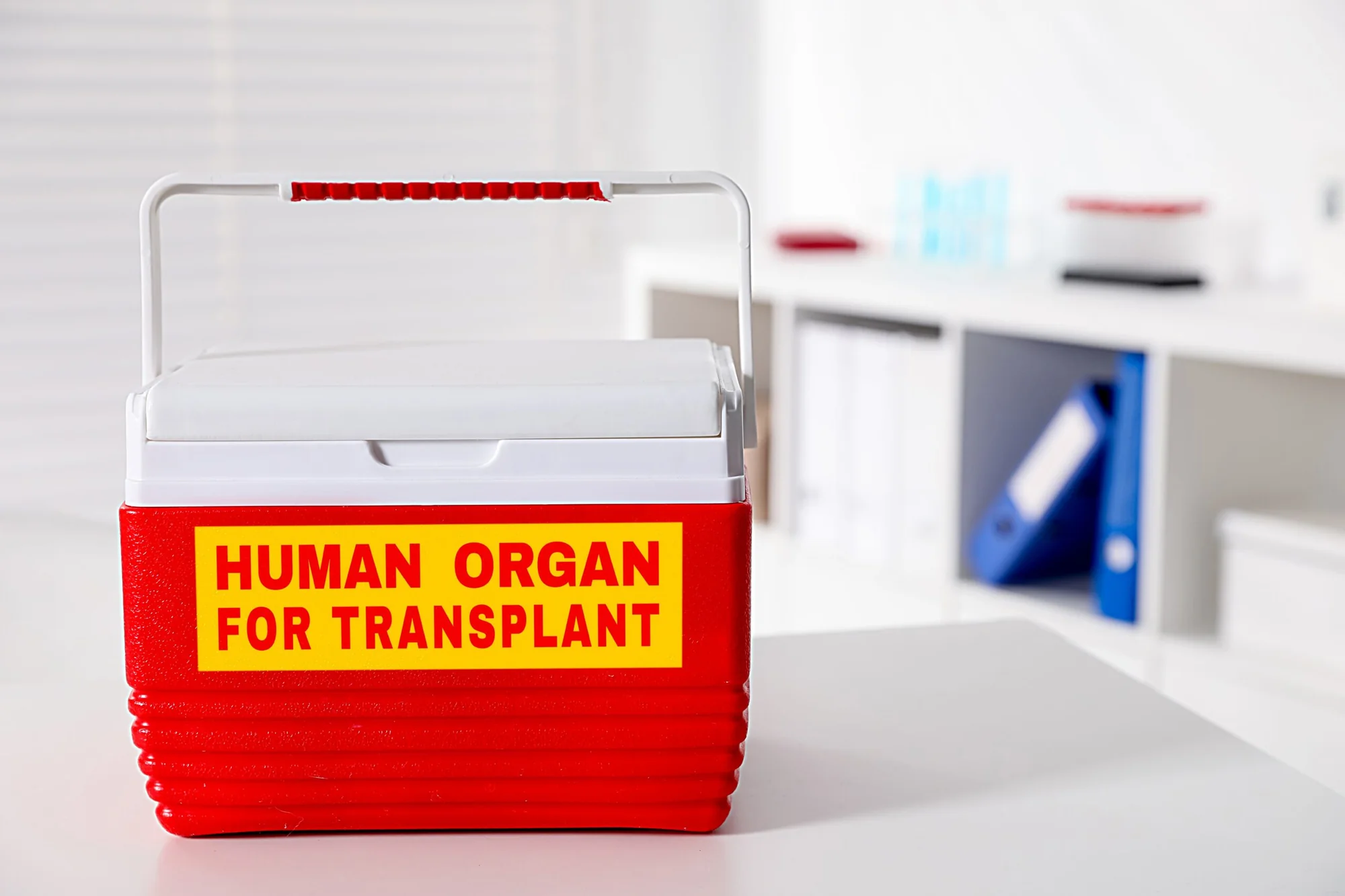
A package arrives at a transplant center. The surgical team is already in motion, the transplant window is narrow, and the implant, tissue, or organ is expected. The product looks correct. The packaging is intact. The team proceeds.

None of that confirms the product was never exposed to a damaging temperature excursion. It confirms only that no one captured evidence of one.

For donor organs, orthopedic implants, and surgical biologics, the final hand-off before use is one of the highest-risk moments in the cold chain. It is fast, it is high-pressure, and it is rarely built to catch an excursion that left no visible trace. A ColdSnap indicator applied at the point of packaging is built for exactly this moment. It gives the receiving team a permanent, visual answer the instant the product arrives, without slowing down the intake process.

Medical device and organ logistics involve more hand-offs than most teams realize

Donor organs, orthopedic implants, and surgical biologics rarely travel a direct path. A shipment can move from the manufacturer or organ procurement organization to a regional distributor or transport carrier, to facility storage, before it ever reaches the operating room or transplant suite. Each transition is a point where temperature conditions can shift.

Unlike pharmaceutical cold chains, medical device and organ logistics often move without a dedicated cold-chain specialist at every stop. Multiple hand-offs are not a sign that something has gone wrong. They are the normal structure of how these products move, which is why passive, field-ready visibility at the point of arrival matters more than a system that only works when someone remembers to check it.

A product can arrive within range and still have crossed a critical threshold

Temperature excursions do not always leave physical evidence. There is no condensation, no packaging deformation, no alarm triggered at receipt. A shipment can look and feel completely normal.

This is where ambient indication and internal product temperature part ways. A product briefly exposed to a damaging cold or heat event can recover to an acceptable ambient range well before it arrives, which makes the excursion invisible to a visual check. For products with a low tolerance for threshold crossings, even a brief exposure can matter. As a result, the only reliable record is an indicator that captures the event permanently, at the moment it happens, rather than one that simply reports current conditions.

Transplant center intake is fast, high-stakes, and not built for cold-chain investigation

At a transplant center, the receiving moment looks nothing like a typical warehouse intake. The surgical team is prepared, the timeline is fixed, and the priority is clinical readiness, not paperwork.

Organ and tissue viability windows are narrow. Any delay spent trying to determine whether a product was compromised works against the patient, not for them. Because of this, the signal that tells the receiving team whether to proceed or escalate has to be immediate and visual, and it has to require no interpretation, no login, and no waiting on a report from somewhere else in the chain. This is the decision moment indicators are built to support: a good read or bad read available in seconds.

Documentation gaps lead to quality decisions without evidence

Shipment documentation for medical devices, biologics, and donor organs commonly breaks down between organizations rather than within them. The manufacturer or organ procurement organization completes its quality checks at the point of origin. The distributor or transport provider may or may not carry that documentation forward. By the time a product reaches facility intake, the receiving team often has no visibility into what happened upstream.

This fragmentation means that when a question comes up later, sometimes weeks later, the chain of custody cannot be reconstructed with confidence. Regulatory and quality expectations increasingly focus on the ability to demonstrate control across the full distribution path, not only at the point of manufacture or procurement.

‘We think it was okay’ is not a quality decision

Assumption-based acceptance cannot be audited. It cannot be defended in a quality investigation, and it does nothing to improve the process for the next shipment.

If an adverse clinical outcome or a quality investigation follows, the absence of receipt-level evidence makes it impossible to rule a temperature event in or out as a contributing factor. This is rarely a matter of a careless receiving team. It is a gap in workflow design: the evidence was never built into the process at the moment it needed to exist.

ColdSnap gives intake teams an immediate, irreversible answer

ColdSnap is a compact, self-adhesive temperature indicator built for high-value, temperature-sensitive shipments, including medical implants, surgical biologics, and donor organ transport. It requires no batteries and no electronics, and it does not need to be interpreted through a system at the moment of receipt.

The mechanism is simple. Once activated, the viewing window changes permanently from clear to bright red if the product crosses its rated temperature threshold, whether that threshold is an ascending or a descending limit. ColdSnap is available across threshold options from -20°C to +15°C and is calibrated to within 2°C, which allows it to be matched closely to a product’s specific temperature tolerance. ColdSnap+ models extend this further with dual-event monitoring, capturing both a critical cold event and a critical warm event on the same indicator.

For a transplant center or a device manufacturer’s receiving team, that means one glance answers the question a shipment record alone cannot: did this product cross a threshold it should not have. ColdSnap does not replace validated packaging or a data logger. It works alongside them, giving intake staff a fast, defensible basis for an accept, quarantine, or escalate decision under the facility’s existing SOP.

Close

For quality and clinical operations teams reviewing intake workflows, start with the hand-off moment itself. Ask what information the person accepting the shipment actually has, and what decision they are expected to make with it. If the honest answer is “none” and “proceed unless something looks wrong,” that is the exact gap a ColdSnap indicator is built to close.

—-

You might also like

Class (B2B/B2C)
B2B
Ingest Status
Need Review
Dedupe hash
c59abb3a6f68b01c79c3c35166d63ece
Press Eligible
Yes
Press Eligible Reason
Manuelle Prüfung nötig. Risiko: MEDIUM. Flags: ['numbers']. Stichprobe: False
Source Name
Spot.See
Original Summary

<p>A package arrives at a transplant center. The surgical team is already in motion, the transplant window is narrow, and the implant, tissue, or organ is expected. The product looks correct. The packaging is intact. The team proceeds. None of that confirms the product was never exposed to a damaging temperature excursion. It confirms only [&#8230;]</p>
<p>The post <a href="https://spotsee.io/blog/cold-chain-transplant-monitoring-coldsnap/">The hidden risk upon receipt at the transplant center</a> appeared first on <a href="https://spotsee.io">SpotSee</a>.</p&gt;

Image URL
https://spotsee.io/wp-content/uploads/2026/08/shutterstock_2780331045-scaled.jpg
Source Node
Generated Article_json
{"target_audience": "b2b", "is_medical": true, "ai_generated_title": "ColdSnap Indicator Targets Blind Spot in Organ and Implant Intake", "body_html": "<p><strong>Global -- [CURRENT_DATE] --</strong> ColdSnap, a battery-free, self-adhesive temperature indicator, permanently turns bright red when a shipment crosses its rated threshold. It targets the receiving hand-off for donor organs, orthopedic implants and surgical biologics, where an excursion can leave no visible trace.</p><h5>Multiple hand-offs create repeated exposure points for organs and implants</h5><p>These products rarely travel a direct path. A shipment can move from the manufacturer or organ procurement organization to a regional distributor or carrier, then to facility storage, before it reaches the operating room. Each transition is a point where temperature conditions can shift, and a cold-chain specialist is often absent at every stop.</p><h5>Products can recover to acceptable ambient range and hide an excursion</h5><p>A product briefly exposed to damaging cold or heat can return to an acceptable ambient range before arrival. There is no condensation, no packaging deformation and no alarm at receipt. Only an indicator that captures the event permanently, rather than reporting current conditions, leaves a reliable record.</p><h5>Transplant intake leaves no time for cold-chain investigation</h5><p>Organ and tissue viability windows are narrow, and the surgical team's priority is clinical readiness. The signal must be immediate and visual, with no interpretation, no login and no waiting on a report from elsewhere in the chain.</p><p>Documentation also tends to break down between organizations. The distributor or transport provider may not carry origin quality records forward, so a question raised weeks later can leave the chain of custody impossible to reconstruct. Without receipt-level evidence, a temperature event cannot be ruled in or out after an adverse clinical outcome or quality investigation.</p><h5>ColdSnap offers thresholds from -20°C to +15°C, calibrated to within 2°C</h5><p>Once activated, the viewing window changes from clear to bright red if the product crosses an ascending or descending limit. ColdSnap+ models add dual-event monitoring, capturing both a critical cold event and a critical warm event on one indicator.</p><p>ColdSnap does not replace validated packaging or a data logger. It works alongside them, giving intake staff a basis for an accept, quarantine or escalate decision under the facility's existing SOP.</p>", "meta_description": "ColdSnap indicators permanently flag temperature excursions, giving transplant centers an instant accept-or-escalate signal for organs, implants and biologics.", "seo_keywords": "ColdSnap, temperature indicator, cold chain, donor organ logistics, orthopedic implants, surgical biologics, temperature excursion, transplant center, medical device logistics", "companies": [], "industries": ["Healthcare & Biotech"], "markets_regions": [], "news_type": ["general_news"], "products": ["ColdSnap"], "themes": ["supply_chain", "quality_assurance", "cold_chain"], "events": [], "cta_text": "Review how temperature indicators fit your receiving workflow for organs, implants and surgical biologics", "learn_more": "", "fact_check": {"accuracy_score": 100, "legal_risk": "low", "corrections_made": [], "recommendation": "publish"}}
Content Hash (SHA-256, erste 32 hex)
ef01814cf998990ef59f1c528125e2cb
How to choose the right impact monitoring solution for automotive supply chain parts
Image File
Original HTML

Not every automotive part needs the same level of monitoring. A high-volume bracket moving between two nearby plants and a precision battery pack crossing three continents face different risks, and the right monitoring tool depends on the part’s value, the complexity of its journey, and what your team needs to do when damage occurs.

Damage rarely announces itself in transit. It shows up later, on the line, when a part fails inspection, and by then the shipment event that caused it is long over. This article walks through three levels of impact monitoring, from simple visual indicators to real-time cellular alerts, and shows how to match each one to the part and the decision it needs to support.

Why automotive shipments need different levels of monitoring

Automotive manufacturers ship enormous volumes of parts through complex, multi-leg supply chains involving multiple carriers and handling points. Component racks and packaging are routinely tested for impact and vibration resistance under lab conditions, yet parts still arrive damaged. That gap between controlled testing and real-world handling is where most supply chain damage originates.

One international automotive company experienced this directly, as documented in our Automotive Instrument Panels and Bumpers case study. Shipping more than 30 million car parts in 7,000 containers daily, the company found that instrument panels, a particularly sensitive component, kept falling off their transport racks during shipment between plants, even though the racks had passed standard impact and vibration testing. Without shipment visibility, the company had no way to isolate whether a specific carrier, handling point, or leg of the journey was responsible. Root cause and accountability are difficult to establish when the only evidence is the damaged part itself, discovered well after the event that caused it.

This is where a monitoring spectrum becomes useful. Not every part carries the same risk, and not every shipment needs the same response time. Matching the level of monitoring to the part’s value, its journey, and what the team needs to do next is the practical starting point for reducing automotive supply chain damage.

ShockWatch 2 QR: simple visibility at receiving

ShockWatch 2 QR is a visual impact indicator that activates irreversibly once a set threshold is crossed, making mishandling visible at a glance. Its QR code links directly to a damage report, so scanning it at receiving creates a documented record without manual data entry.

ShockWatch 2 QR fits high-volume parts and shorter supply chain legs, where the receiving team mainly needs a fast accept or inspect decision. The visible presence of the indicator on packaging also changes handling behavior: handlers who know a shipment is being watched tend to handle it more carefully, a deterrence effect a purely internal system does not provide.

The tradeoff is scope. ShockWatch 2 QR confirms an impact occurred and whether it crossed the threshold, but not when, where, or how many times. For parts where a single damage event needs to be traced back to a specific carrier or handoff, a monitoring solution with a stronger evidence trail is the better fit.

SpotBot GL: when environmental context matters

SpotBot GL is a real-time connected monitor. It tracks impact, temperature, and humidity simultaneously, with status and alerts visible throughout the journey rather than only after the shipment is received. Each parameter’s threshold is individually configurable, and any violation is time- and date-stamped, making it traceable to a specific point in the journey.

This makes SpotBot GL a strong fit for sensitive parts moving through multi-leg shipments, where a single impact reading does not tell the whole story. Batteries in particular are affected by temperature swings and humidity as well as physical shock, so a tool that only tracks impact would miss part of the risk picture.

A battery supplier for Formula E racing put this to the test, as detailed in our Formula E Batteries case study. Batteries are removed after each race, crated, and shipped to the next venue, sometimes with only a week between races across 11 cities on five continents. The supplier tested six ShockLog Cellular GL monitors and one SpotBot GL as part of a real-world evaluation.

Both ShockLog Cellular GL and SpotBot GL are real-time connected devices, so the choice between them is not about immediacy. It comes down to price and data depth. At roughly one quarter the price of ShockLog Cellular GL, SpotBot GL collects fewer data points and less granular detail. That makes it the practical choice when a part does not need that level of sensitivity, while the added cost of ShockLog Cellular GL is justified when the detail matters, whether that is for engineering root cause analysis or a carrier claim that depends on precise event data.

ShockLog Cellular GL and ShockLog 298: when teams need to act before delivery

It helps to separate what each part of this system does. ShockLog 298 is the data logger that records the condition of the shipment: impact events, peak values on each axis, gRMS, internal temperature, and the direction, amplitude, and duration of each event. ShockLog Cellular GL is the module that shares that condition live. A ShockLog 298 can travel on its own and record a complete history for review at receiving, but ShockLog Cellular GL depends on a ShockLog 298 to have any impact data to transmit. The cellular module turns a recorded history into a real-time alert.

Together, they cover the highest-stakes shipments. When a programmed impact level is exceeded, ShockLog Cellular GL sends a real-time alert with time, location, impact g-level, and direction, viewable through SpotSee Cloud, so a team can act before the shipment reaches the dock, arranging a replacement part or a repair rather than discovering the damage after the part is already needed on the line.

This combination is what let the instrument panel shipper, featured in our Automotive Instrument Panels and Bumpers case study, finally solve their problem. After deploying ShockLog Cellular GL with ShockLog 298, they identified the specific point in the process where panels were falling off their racks, used that evidence to educate drivers on handling, and eliminated the resulting damage and downtime. Once resolved, they simply adjusted the threshold settings on the same devices and redeployed them to monitor other components in their supply chain.

The Formula E battery supplier saw the same advantage. During the real-world test, a crate experienced an impact exceeding its set tolerance while the team was mid-flight to the next venue. By the time they landed, they already had the alert. Inspection confirmed the battery was irreparably damaged, and because the team already knew, a replacement was shipped immediately, saving the race team from a shortage on race day. Based on that result, the supplier purchased additional ShockLog Cellular GL units, each paired with a ShockLog 298, along with SpotBot GL units for all 12 racing teams and has since reduced its expedited shipping costs.

ShockLog Cellular GL with ShockLog 298 fits high-value, long-distance, or just-in-time shipments, where a damaged part arriving without warning costs production downtime or a missed delivery window, not just the part itself

A simple decision framework

Choosing between these three levels comes down to three questions.

- What happens if this part arrives damaged? A quick reject-and-replace at receiving points toward ShockWatch 2 QR. A production line disruption or a missed delivery window points toward a higher tier.

- When does the team need the information? A pass or fail signal at receiving is enough for ShockWatch 2 QR. A full environmental record for an investigation or carrier conversation calls for SpotBot GL. A need to act before the shipment arrives calls for ShockLog Cellular GL with ShockLog 298.

- How complex is the shipment journey? Short, single-leg movements between nearby facilities are well served by a visual indicator. Long, multi-leg, multi-carrier journeys benefit from a logged, time-stamped, or real-time record.

Monitoring solutions can work together

Different parts in the same supply chain carry different levels of risk, so they do not all need the same visibility. Many automotive manufacturers deploy multiple monitoring solutions side by side: ShockWatch 2 QR on high-volume, lower-risk parts, SpotBot GL on sensitive components moving through multi-leg routes, and ShockLog Cellular GL with ShockLog 298 on parts where a missed delivery is genuinely costly. The instrument panel case shows this in practice. Once the original problem was solved with ShockLog Cellular GL + ShockLog 298, the same tool was redeployed to monitor other damaged components rather than treated as a one-time fix.

The goal is not to monitor every shipment the same way. It is to match the monitoring solution to the part, the journey, and the operational decision it supports.

Frequently asked questions

What is the difference between ShockWatch 2 QR and ShockLog Cellular GL?

ShockWatch 2 QR is a single-use visual indicator that shows whether an impact exceeded a set threshold, with a QR code that links to a damage report at receiving. ShockLog Cellular GL is a connected monitoring system that records a detailed impact history through a ShockLog 298 data logger and transmits real-time alerts as events happen. The QR indicator answers a yes or no question at the dock. ShockLog Cellular GL answers when, where, and how severe, while the shipment is still in transit.

Do I need ShockLog 298 and ShockLog Cellular GL, or just one?

ShockLog 298 is the data logger that records the shipment’s condition, and it can travel alone if a reviewable history at receiving is all that is needed. ShockLog Cellular GL is the module that shares that condition live, and it requires a ShockLog 298 in order to have data to transmit.

Class (B2B/B2C)
B2B
Ingest Status
Need Review
Dedupe hash
6c2640c1743b8e70c2b9bcce81fcba06
Press Eligible
Yes
Press Eligible Reason
Manuelle Prüfung nötig. Risiko: MEDIUM. Flags: ['numbers']. Stichprobe: False
Source Name
Spot.See
Original Summary

<p>Not every automotive part needs the same level of monitoring. A high-volume bracket moving between two nearby plants and a precision battery pack crossing three continents face different risks, and the right monitoring tool depends on the part&#8217;s value, the complexity of its journey, and what your team needs to do when damage occurs. Damage [&#8230;]</p>
<p>The post <a href="https://spotsee.io/blog/automotive-impact-monitoring-solutions/">How to choose the right impact monitoring solution for automotive supply chain parts</a> appeared first on <a href="https://spotsee.io">SpotSee</a>.</p&gt;

Image URL
https://spotsee.io/wp-content/uploads/2026/08/shutterstock_2684939093-scaled.jpg
Source Node
Generated Article_json
{"target_audience": "b2b", "is_medical": false, "ai_generated_title": "Real-Time Shock Alerts End Automotive Panel Damage Losses", "body_html": "<p><strong>Global -- [CURRENT_DATE] --</strong> An international automotive company shipping more than 30 million car parts in 7,000 containers daily eliminated instrument panel damage and related downtime after it moved from blind transit to real-time impact alerts, according to a SpotSee case study on tiered shipment monitoring.</p><h5>Panels kept falling off racks that had passed lab tests</h5><p>The company's instrument panels repeatedly fell off transport racks between plants, even though the racks had cleared standard impact and vibration testing. With no shipment visibility, it could not isolate which carrier, handling point or leg caused the damage. The only evidence was the damaged part, found long after the event.</p><h5>A visual indicator covers high-volume, short-leg parts</h5><p>ShockWatch 2 QR is an irreversible visual indicator that activates once a set threshold is crossed. Its QR code links to a damage report, so scanning at receiving creates a documented record without manual data entry. It suits high-volume parts on shorter legs, where the receiving team needs a fast accept-or-inspect decision.</p><p>The indicator confirms that an impact crossed the threshold, but not when, where or how many times. Its visible presence on packaging can also make handlers more careful.</p><h5>SpotBot GL adds temperature and humidity to impact tracking</h5><p>SpotBot GL is a real-time connected monitor that tracks impact, temperature and humidity at once. Each threshold is individually configurable, and every violation is time- and date-stamped. That suits batteries on multi-leg routes, where temperature swings and humidity matter as much as physical shock.</p><p>SpotBot GL costs roughly one quarter as much as ShockLog Cellular GL but collects fewer data points and less granular detail. The more expensive unit is justified for engineering root-cause analysis or carrier claims that depend on precise event data.</p><h5>ShockLog Cellular GL turns recorded impacts into alerts before delivery</h5><p>ShockLog 298 is the data logger. It records impact events, peak values on each axis, gRMS, internal temperature, and the direction, amplitude and duration of each event. ShockLog Cellular GL is the module that shares that data live and needs a ShockLog 298 to have anything to transmit.</p><p>When a programmed impact level is exceeded, the pair sends an alert with time, location, g-level and direction through SpotSee Cloud. A team can then arrange a replacement or repair before the shipment reaches the dock.</p><p>The instrument panel shipper used the combination to pinpoint where panels were falling off their racks. It then trained drivers on handling and ended the damage and downtime. It later changed the threshold settings and redeployed the same devices to other components.</p><h5>Formula E supplier shipped a replacement battery before the crate landed</h5><p>A battery supplier for Formula E ships batteries after each race across 11 cities on five continents, sometimes with only a week between races. It tested six ShockLog Cellular GL monitors and one SpotBot GL. During the test, a crate took an impact above its tolerance while the team was mid-flight, and the alert arrived before landing. Inspection confirmed the battery was irreparably damaged, and a replacement shipped immediately, avoiding a shortage on race day.</p><p>The supplier then bought additional ShockLog Cellular GL units, each paired with a ShockLog 298, plus SpotBot GL units for all 12 racing teams. It has since reduced its expedited shipping costs.</p><h5>Three questions decide which tier a part needs</h5><p>The framework turns on the cost of arriving damaged, when the team needs the information, and how complex the journey is. A quick reject-and-replace points to ShockWatch 2 QR. A production line disruption or missed delivery window calls for a higher tier. Long, multi-leg, multi-carrier journeys benefit from a logged, time-stamped or real-time record.</p><p>Many manufacturers run all three tiers side by side. ShockWatch 2 QR goes on high-volume, lower-risk parts, SpotBot GL on sensitive components on multi-leg routes, and ShockLog Cellular GL with ShockLog 298 where a missed delivery is costly.</p>", "meta_description": "Automotive shippers match monitoring to part value: a 30M-parts-a-day carmaker and a Formula E battery supplier cut damage with real-time ShockLog alerts.", "seo_keywords": "automotive supply chain, shipment monitoring, impact monitoring, ShockLog Cellular GL, SpotBot GL, ShockWatch 2 QR, Formula E batteries, transit damage, real-time alerts", "companies": ["SpotSee"], "industries": ["Manufacturing & Industry"], "markets_regions": ["Global"], "news_type": ["case_study", "analysis"], "products": ["ShockLog Cellular GL"], "themes": ["supply_chain", "logistics_visibility", "damage_prevention"], "events": [], "cta_text": "Explore SpotSee's impact monitoring case studies for automotive shipments", "learn_more": "", "fact_check": {"accuracy_score": 100, "legal_risk": "low", "corrections_made": [], "recommendation": "publish"}}
Content Hash (SHA-256, erste 32 hex)
b78536e2a5cc6fb9585ab71ad4277aeb
Lithium battery shipping rules changed in 2026. What should logistics teams monitor beyond the label?
Image File
Original HTML

Lithium battery transportation has always required careful handling. In 2026, the rules became even more specific.

From January 1, 2026, lithium-ion cells and batteries packed with equipment under IATA Packing Instruction 966 are subject to new state-of-charge requirements for air transportation. In many cases, batteries must be offered for transport at no more than 30% of their rated capacity, with specific provisions depending on the section of the packing instruction. IATA’s broader Battery Shipping Regulations also cover classification, packing, marking, labeling, documentation and acceptance.

Those rules are critical. But they answer one question: was the battery prepared correctly for transportation?

They do not necessarily answer another: what happened to it once the journey began?

For lithium batteries and high-value battery-powered equipment, safe transportation also means understanding whether the shipment was exposed to conditions such as excessive impact, improper orientation or heat along the way.

Why shipment conditions matter for lithium batteries

Lithium-ion batteries can overheat and enter thermal runaway when damaged, overheated or otherwise compromised. The FAA specifically identifies physical damage and overheating among the conditions that can contribute to thermal runaway and warns against transporting damaged packages containing lithium batteries.

That creates a challenge for logistics teams.

A battery pack can arrive in packaging that appears intact, while the team receiving it has little evidence of how it was handled through loading, unloading, warehousing and carrier transfers.

Condition monitoring does not replace compliant packaging, dangerous goods procedures or manufacturer-defined inspection requirements. It adds another layer of information that can help teams identify shipments that may warrant closer inspection before batteries are accepted, installed or put into service.

Impact: did the battery experience potentially damaging handling?

Drops and impacts can occur at almost any handling point.

ShockWatch 2 QR is a single-use impact indicator that permanently changes from clear to red when an impact exceeds its specified G-force threshold. A smartphone scan creates a digital record including the condition of the indicator, time, date, location and supporting imagery.

For lithium battery shipments, that creates a simple receiving signal. If the indicator has activated, the receiving team has objective evidence that the shipment experienced an impact above the selected threshold and can follow the appropriate inspection or escalation process.

This is particularly useful when external packaging alone cannot tell the whole story.

SpotSee has seen this problem in practice. In a Formula E battery transportation case study, a battery supplier used connected condition monitors while shipping sensitive racing batteries between events around the world. During one shipment, the team received an impact alert before the battery arrived. Inspection later confirmed that the battery had been irreparably damaged, allowing the supplier to send a replacement before the team was left without one on race day.

Tilt: did the shipment stay in the required orientation?

Battery packs rarely travel alone. They may be integrated into energy storage systems, industrial machinery, automotive assemblies or other equipment that has defined orientation requirements during transportation.

TiltWatch XTR QR provides a visual indication when a shipment tips beyond 80 degrees. At receipt, the QR code can be scanned to document the tilt condition along with the time, location and serial number.

That does not automatically mean the battery or equipment has been damaged. It gives the receiving team evidence that a specified handling condition was exceeded so the appropriate inspection process can begin.

As SpotSee explains in its article on digital traceability for tilt-sensitive assets, the value of that evidence is greatest when it is captured consistently at the hand-off, while teams can still connect the condition of the shipment to the transportation journey.

Temperature: did the shipment experience excessive heat?

Physical handling is only one part of the journey.

The FAA identifies overheating as one of the conditions that can contribute to lithium-ion battery thermal runaway.

Where a battery manufacturer or equipment supplier has defined upper temperature limits for transportation, an irreversible temperature indicator can provide evidence that those limits were exceeded.

Thermax labels permanently change color when their rated temperature is reached or exceeded, creating a visual record of the maximum temperature experienced by the monitored surface. Different versions are available across a wide temperature range, allowing the threshold to be selected according to the application.

The important point is not to apply a universal temperature limit to every lithium battery. Battery chemistry, construction and manufacturer specifications vary. Monitoring should be configured against the limits established for the particular battery or equipment being transported.

When a battery shipment needs more context

For a single shipment, knowing that an impact occurred may be enough to trigger inspection.

For a high-value battery system moving across multiple countries, carriers and logistics hubs, teams may need more context.

SpotBot GL monitors triaxial impact, temperature and humidity while also tracking shipment location. Data is transmitted to the SpotSee Cloud, allowing teams to review shipment status and receive alerts while an asset is still moving through the supply chain.

That can help answer questions that a visual inspection at delivery cannot:

Where did the event occur? When did it happen? What other conditions was the shipment experiencing at the time? Does the shipment need to be inspected before the next stage of the journey?

For expensive or time-critical battery systems, having that information before delivery can be particularly valuable. The Formula E battery example shows why: detecting the problem early gave the supplier time to respond rather than discovering the damaged battery only when it was needed.

Compliance gets the battery onto the journey. Monitoring helps show what happened next.

The tighter lithium battery transportation requirements taking effect in 2026 are an important reminder that battery logistics demands careful risk management.

But classification, state of charge, packaging and labeling describe how the shipment should be prepared.

They cannot show every condition the battery experienced once it left the facility.

For logistics and quality teams responsible for valuable lithium batteries or battery-powered equipment, monitoring impact, orientation, temperature and broader shipment conditions can add evidence at the point where it matters most: when deciding whether a shipment can move confidently to its next stage.

As with any monitoring program, thresholds should be based on the battery manufacturer’s specifications, validated packaging and the organization’s own quality and receiving procedures.

The goal is not to monitor every shipment in the same way. It is to make sure that when the condition of a lithium battery matters, the team receiving it has more to work with than an intact box and a compliant label.

—-

You might also like

Class (B2B/B2C)
B2B
Ingest Status
Need Review
Dedupe hash
aef5dabf9e4e3cbc9df143352e82d0b5
Press Eligible
Yes
Press Eligible Reason
Manuelle Prüfung nötig. Risiko: MEDIUM. Flags: ['numbers']. Stichprobe: False
Source Name
Spot.See
Original Summary

<p>Lithium battery transportation has always required careful handling. In 2026, the rules became even more specific. From January 1, 2026, lithium-ion cells and batteries packed with equipment under IATA Packing Instruction 966 are subject to new state-of-charge requirements for air transportation. In many cases, batteries must be offered for transport at no more than 30% [&#8230;]</p>
<p>The post <a href="https://spotsee.io/blog/lithium-battery-shipping-monitoring-2026/">Lith… battery shipping rules changed in 2026. What should logistics teams monitor beyond the label?</a> appeared first on <a href="https://spotsee.io">SpotSee</a>.</p&gt;

Image URL
https://spotsee.io/wp-content/uploads/2026/09/shutterstock_2333774637-scaled.jpg
Source Node
Generated Article_json
{"target_audience": "b2b", "is_medical": false, "ai_generated_title": "Lithium Battery Air Rules Tighten; Shipment Monitoring Fills Gap", "body_html": "<p><strong>Global -- [CURRENT_DATE] --</strong> Lithium-ion cells and batteries packed with equipment under IATA Packing Instruction 966 have been subject to new state-of-charge requirements for air transport since January 1, 2026, with many shipments limited to no more than 30% of rated capacity. Condition-monitoring provider SpotSee argues the rules govern how a battery is prepared but not what happens to it in transit.</p><h5>IATA rules cover preparation, not the journey</h5><p>IATA's Battery Shipping Regulations address classification, packing, marking, labeling, documentation and acceptance. They do not show whether a shipment met excessive impact, improper orientation or heat after departure. The FAA names physical damage and overheating among the conditions that can contribute to thermal runaway, and warns against transporting damaged packages containing lithium batteries.</p><p>A pack can arrive in intact packaging while the receiving team has little evidence of its handling through loading, warehousing and carrier transfers. SpotSee stresses that monitoring supplements compliant packaging, dangerous goods procedures and manufacturer inspection requirements and does not replace them.</p><h5>Single-use indicators flag impact, tilt and heat at receipt</h5><p>ShockWatch 2 QR changes permanently from clear to red when an impact exceeds its G-force threshold. A smartphone scan records the indicator's condition, time, date, location and supporting imagery.</p><p>TiltWatch XTR QR shows when a shipment tips beyond 80 degrees. Scanning it documents the tilt with time, location and serial number. SpotSee notes this does not prove damage, but gives receivers evidence that a handling condition was exceeded so inspection can begin.</p><p>Thermax labels change color permanently once their rated temperature is reached or exceeded. They record the maximum temperature the monitored surface experienced and come in versions across a wide temperature range. SpotSee says thresholds must follow the battery manufacturer's limits, since chemistry and construction vary.</p><h5>Connected monitor tracks shipments in real time</h5><p>For high-value systems moving through multiple countries, carriers and hubs, SpotBot GL monitors triaxial impact, temperature and humidity and tracks location. Data goes to the SpotSee Cloud, so teams can review status and receive alerts while the asset is still moving.</p><p>In a Formula E case study, a battery supplier shipping racing batteries between events received an impact alert before one shipment arrived. Inspection confirmed the battery was irreparably damaged, and the supplier sent a replacement before race day.</p><p>SpotSee recommends that thresholds be based on manufacturer specifications, validated packaging and the organization's own receiving procedures, rather than applied uniformly to every shipment.</p>", "meta_description": "New IATA 30% state-of-charge rules for lithium batteries took effect Jan. 1, 2026, but SpotSee says compliance cannot show in-transit impact, tilt or heat.", "seo_keywords": "lithium battery transport, IATA Packing Instruction 966, state of charge, thermal runaway, shipment monitoring, ShockWatch 2 QR, SpotBot GL, dangerous goods logistics", "companies": ["SpotSee"], "industries": ["Transportation & Mobility"], "markets_regions": ["Global"], "news_type": ["regulatory_update", "industry_analysis"], "products": ["SpotBot GL"], "themes": ["supply_chain", "regulatory_compliance", "condition_monitoring"], "events": [], "cta_text": "Review SpotSee's lithium battery shipment condition monitoring options", "learn_more": "", "fact_check": {"accuracy_score": 100, "legal_risk": "low", "corrections_made": [], "recommendation": "publish"}}
Content Hash (SHA-256, erste 32 hex)
a2f6680ab1641865ecaa446f81e8ca1c
Cell and gene therapy logistics: what level of shipment monitoring do you need?
Image File
Original HTML

Cell and gene therapies create an unusually demanding cold-chain environment. Many therapies are highly temperature sensitive, extremely valuable and time critical. Some are also patient specific, making the consequences of a compromised shipment particularly significant.

Maintaining the required temperature range is therefore essential throughout storage and transportation. But knowing that temperature needs to be monitored is only the beginning.

The next question is: what level of temperature evidence does your team need?

For some shipments, a visual pass/fail indicator can provide the immediate evidence needed at receipt. For others, quality teams may need a detailed temperature history to understand when and for how long an excursion occurred. And for high-value or complex shipments, connecting condition data with time and location can provide additional context while the therapy is in transit.

Choosing the right approach starts with understanding the decision that needs to be made when a shipment arrives or an exception occurs.

The International Society for Cell & Gene Therapy (ISCT) has made cold-chain readiness a specific area of focus in 2026. Its Cold Chain Management and Logistics Working Group is addressing practices across cryopreservation, storage, shipping, handling and thawing, reflecting the importance of maintaining controlled conditions throughout the therapy journey.

Why cell and gene therapy cold chains demand greater visibility

Cell and gene therapies can move through multiple controlled environments before reaching the patient. Depending on the therapy and distribution model, that journey may include manufacturing facilities, storage locations, specialized logistics providers and clinical sites.

For autologous therapies, the logistics challenge is even more specific. Patient-derived material is collected, transported for manufacturing and ultimately returned for administration to that same patient. Temperature control, timing and traceability all become critical parts of getting the right therapy to the right place under the required conditions.

Each hand-off also creates a point where teams may need evidence that temperature requirements have been maintained.

The challenge is that not every monitoring technology provides the same type of evidence. A visual indicator can quickly show that a defined threshold has been crossed. A data logger can provide a record of temperature over time. A connected monitor can add information about when and where an exception occurred.

The right choice depends on what your team needs to know and what action that information will trigger.

When you need an immediate pass/fail temperature indication

At some receiving points, the most important question is straightforward: was this shipment exposed to temperatures outside its specified range?

ColdChain Complete combines ascending and descending temperature indicators to provide irreversible visual evidence of temperature excursions. ColdChain Complete and the smaller adhesive-backed ColdChain Complete XS can be incorporated into different packaging configurations.

These indicators do not provide a continuous temperature history. Instead, they provide clear pass/fail evidence that specified temperature conditions have been maintained or exceeded.

That distinction can make them useful when receiving teams need an immediate visual indication before following their established quality procedures.

If the indicator shows that an excursion occurred, the shipment can be flagged for further evaluation according to the organization’s predefined inspection, quarantine or disposition process.

When exposure below a specific temperature is the concern

Temperature-sensitive therapies are not only vulnerable to excessive heat. Depending on the product and required storage range, exposure below a defined temperature can also be a concern.

ColdSNAP is a descending temperature indicator designed to provide irreversible visual evidence when a monitored product reaches or falls below its specified threshold.

Once triggered, the visual change remains even if the shipment subsequently returns to an acceptable temperature.

That gives receiving teams a simple way to identify that a cold-temperature threshold was crossed during storage or transportation.

As with ColdChain Complete, the value is immediacy. The indicator is not intended to reconstruct the entire temperature journey. It answers a specific operational question and can trigger the appropriate quality process when an excursion is identified.

When you need to understand the temperature history

For some cell and gene therapy shipments, knowing that an excursion occurred is not enough.

Quality teams may need to determine when the temperature moved outside the specified range, how conditions changed over time or how long an excursion lasted. Those questions require a temperature data logger rather than a pass/fail indicator.

SpotSee’s MaxiLog temperature data loggers record temperature throughout storage and transportation, creating a temperature history that can be reviewed after the shipment.

MaxiLog PDF, for example, is a single-use temperature data logger that automatically generates a PDF report when connected via USB. MaxiLog Alert options can provide configurable alarm parameters and recorded measurement data for applications requiring more detailed temperature documentation.

This level of information can support investigation when an excursion occurs because teams have more than an indication that a threshold was crossed. They have a record showing how temperature behaved during the monitored period.

For high-value, temperature-sensitive therapies, that distinction can be important when quality teams need evidence to support their established evaluation and disposition procedures.

When you also need to know when and where an exception occurred

Some cell and gene therapy shipments require another level of visibility, particularly when products are high value, time sensitive or moving through complex logistics networks.

SpotBot GL combines condition monitoring with location information. It monitors temperature, humidity and tri-axial impact while using cellular, Wi-Fi and GPS technologies to provide shipment location data through the SpotSee Cloud.

This gives logistics teams additional context when an exception occurs.

Instead of learning only that a temperature threshold was exceeded, teams can identify when and where the monitored event was recorded.

For example, that information may help determine whether an exception occurred before a shipment reached an airport, while it was at an intermediate logistics location or during the final stage of transportation.

SpotBot GL does not replace the quality procedures used to determine whether a therapy remains suitable for use. It provides information that can help logistics and quality teams investigate what happened and respond according to those established procedures.

Match the monitoring approach to the decision

There is no single temperature-monitoring solution that every cell and gene therapy shipment requires.

The appropriate level of monitoring depends on the therapy, its specified temperature range, the complexity and duration of the journey and, importantly, what the organization needs to know when the shipment reaches its destination.

If the primary need is an immediate indication of whether a specified temperature threshold was crossed, ColdChain Complete, ColdChain Complete XS or ColdSNAP can provide visual pass/fail evidence.

If quality teams need to review how temperature changed throughout the monitored period, MaxiLog provides a recorded temperature history.

And when logistics teams need condition data alongside time and location information during transit, SpotBot GL provides connected shipment visibility.

These technologies answer different questions. The goal is not necessarily to collect the maximum amount of data on every shipment. It is to collect the right level of evidence for the decisions your team needs to make.

For cell and gene therapy logistics, the question is not whether temperature should be monitored. It is what level of temperature evidence your team needs to make the right decision when a shipment arrives or an excursion occurs.

—-

You might also like

Class (B2B/B2C)
B2B
Ingest Status
Rewritten
Dedupe hash
8581d8eeedc04a92be3abf6ed0d28826
Press Eligible
Yes
Press Eligible Reason
Discusses cold-chain monitoring technologies and logistics for cell and gene therapies, aimed at industry professionals.
Source Name
Spot.See
Original Summary

<p>Cell and gene therapies create an unusually demanding cold-chain environment. Many therapies are highly temperature sensitive, extremely valuable and time critical. Some are also patient specific, making the consequences of a compromised shipment particularly significant. Maintaining the required temperature range is therefore essential throughout storage and transportation. But knowing that temperature needs to be monitored [&#8230;]</p>
<p>The post <a href="https://spotsee.io/blog/cell-gene-therapy-logistics-shipment-monitoring… and gene therapy logistics: what level of shipment monitoring do you need?</a> appeared first on <a href="https://spotsee.io">SpotSee</a>.</p&gt;

Image URL
https://spotsee.io/wp-content/uploads/2026/09/shutterstock_2577081409-scaled.jpg
Source Node
Content Hash (SHA-256, erste 32 hex)
192d94257fe88a5108a667c02ddd9375
Shipping industrial robots and automation equipment without compromising precision
Image File
Original HTML

Industrial robots and automation equipment are built for precision. Shipping them is considerably less precise.

A robotic arm, cobot, automation cell or control system can arrive at an installation site with its crate intact and no obvious signs of damage. But appearance alone cannot confirm what happened during loading, transportation, transfers or final-mile handling. An impact or tilt event may have occurred without leaving visible evidence on the outside of the shipment.

For equipment that may need to be calibrated, commissioned and integrated into a production environment after delivery, that missing information matters. Condition monitoring can give manufacturers, logistics teams and receiving sites evidence of how equipment was handled in transit and help identify shipments that warrant closer inspection before installation.

Why visible condition does not tell the whole story

Industrial automation equipment often combines sensitive electronics, mechanical assemblies, sensors, drives and precisely aligned components. Even when protective packaging performs as intended, teams cannot determine from the condition of the crate alone whether the equipment experienced a potentially damaging event during its journey.

This is the challenge of hidden shipping damage. SpotSee has documented the same problem across other types of high-value industrial equipment: a shipment can appear acceptable externally while shock, vibration or other conditions experienced during transit may have affected what is inside.

For automation equipment, the question at receiving is therefore not simply, “Does the shipment look damaged?”

It is also, “Did anything happen during transportation that means we should inspect this equipment more closely before commissioning it?”

The amount of information needed to answer that question depends on the equipment, its sensitivity and the decisions teams need to make with the data.

Impact: identifying shipments that may need inspection with ShockWatch 2 QR

For many shipments, teams do not need a detailed record of every condition throughout the journey. They need a clear indication that a potentially damaging impact occurred so the equipment can be inspected before moving to the next stage.

ShockWatch 2 QR is a single-use, battery-free impact indicator available in multiple impact thresholds. If the specified threshold is exceeded, the indicator permanently changes from clear to red.

The QR functionality adds a digital layer to that visual indication. Using a smartphone with no dedicated app required, personnel can scan the indicator to capture its condition along with information including the scan time, location and unique serial number. Scan information is uploaded to the SpotSee Cloud, creating a digital record that can support receiving, quality and claims workflows.

For robotic arms, control equipment and other impact-sensitive components, this creates a straightforward receiving process. If the indicator has activated, the team has an objective reason to pause and determine whether additional inspection is appropriate before installation.

Tilt: knowing whether equipment stayed upright with TiltWatch XTR QR

Impact is not the only concern when moving precision equipment. Some industrial machinery has defined orientation requirements throughout transportation and handling.

A crate may arrive upright at its destination without revealing that it was previously tipped onto its side.

TiltWatch XTR QR provides evidence of this type of handling exception. The single-use indicator turns red when a shipment tips beyond 80°, giving the receiving team an immediate visual indication that the shipment exceeded its tilt threshold.

A smartphone scan captures the tilt condition together with time, location and serial number, creating a digital record at the point of receipt. SpotSee specifically identifies industrial machinery among the applications for TiltWatch XTR QR.

This can be particularly useful for automation cells, cabinets and other equipment that must remain upright. Rather than relying on a “This Side Up” label to determine whether handling instructions were followed, the receiving team has evidence that can inform its inspection process.

When you need more context: SpotBot GL

For higher-value equipment or more complex journeys, knowing that an exception occurred may not be enough. Teams may also need to understand when and where it happened and what other environmental conditions the shipment experienced.

SpotBot GL provides connected monitoring of tri-axial impact, temperature and humidity along with location tracking. It uses cellular networks, Wi-Fi and GPS-related location technologies to provide shipment information through the SpotSee Cloud.

This makes SpotBot GL useful when automation equipment is traveling across multiple legs, carriers or handling points. Instead of discovering a potential problem only when the equipment reaches the installation site, teams can receive alerts and see where and when an impact or environmental excursion occurred.

That additional context can make investigation more focused. If an event is recorded, teams have information that can help them determine where in the journey it happened and whether the equipment should receive additional attention when it arrives.

Importantly, SpotBot GL monitors impact, temperature and humidity, not tilt. When orientation data or more detailed impact analysis is required, a different monitoring configuration may be more appropriate.

When precision requires deeper data: ShockLog Cellular GL with ShockLog 298

Some automation shipments require a much more detailed understanding of what happened in transit.

For highly sensitive, high-value or mission-critical machinery, ShockLog Cellular GL can be paired with the ShockLog 298 to provide a more advanced level of condition monitoring.

The ShockLog 298 is designed to record detailed shock and vibration data. Depending on its configuration and optional sensors, it can also capture temperature, humidity, tilt and roll. When paired with ShockLog Cellular GL, that information can be connected to real-time alerts and remote access through the SpotSee Cloud.

The combination is designed for situations where simply knowing that an impact happened is not sufficient. The ShockLog 298 can capture detailed impact event data using a tri-axial piezoelectric accelerometer, while ShockLog Cellular GL provides the connectivity needed to communicate shipment information remotely. SpotSee reports connectivity speeds up to 30 times faster than its previous 3G version.

This level of sensitivity and detail can be valuable when transporting precision automation systems where engineers need more than a pass-or-inspect signal. Detailed event information can help teams evaluate potentially damaging conditions, investigate what occurred and improve packaging, loading, routes or carrier practices over time.

SpotSee has used the same approach with other large, sensitive industrial assets. In its large power transformer case study, ShockLog 298 data was used to identify mishandling and support decisions around inspection, packaging and transportation practices.

Match the monitoring to the decision you need to make

Not every industrial robot needs the same level of monitoring.

A shipment where the primary question is whether a significant impact occurred may only require a visual indicator such as ShockWatch 2 QR. Equipment that must remain upright may benefit from TiltWatch XTR QR. Higher-value shipments moving through complex logistics networks may justify connected condition and location monitoring with SpotBot GL.

And for highly sensitive machinery where engineering teams need detailed shock, vibration and environmental information together with strong cellular connectivity, ShockLog Cellular GL paired with ShockLog 298 provides a more comprehensive record.

The important question is not how much data you can collect. It is how much information your team needs to make the right decision when the equipment arrives.

Industrial robots are designed to repeat movements with extraordinary precision. Their journey to the factory floor is rarely as controlled.

Condition monitoring helps close that gap, giving manufacturers, logistics teams and receiving sites evidence of what happened between shipment and installation so they can inspect when necessary, investigate exceptions and commission equipment with greater confidence.

—-

You might also like

Class (B2B/B2C)
B2B
Ingest Status
Need Review
Dedupe hash
b86bd6ceb6e0259c6d66a1bf46080d7b
Press Eligible
Yes
Press Eligible Reason
Manuelle Prüfung nötig. Risiko: MEDIUM. Flags: ['numbers']. Stichprobe: False
Source Name
Spot.See
Original Summary

<p>Industrial robots and automation equipment are built for precision. Shipping them is considerably less precise. A robotic arm, cobot, automation cell or control system can arrive at an installation site with its crate intact and no obvious signs of damage. But appearance alone cannot confirm what happened during loading, transportation, transfers or final-mile handling. An [&#8230;]</p>
<p>The post <a href="https://spotsee.io/blog/industrial-robot-shipping-condition-monitoring/… industrial robots and automation equipment without compromising precision</a> appeared first on <a href="https://spotsee.io">SpotSee</a>.</p&gt;

Image URL
https://spotsee.io/wp-content/uploads/2026/09/shutterstock_2827268769-scaled.jpg
Source Node
Generated Article_json
{"target_audience": "b2b", "is_medical": false, "ai_generated_title": "SpotSee Maps Four Monitoring Tiers for Robot Shipments", "body_html": "<p><strong>Global -- [CURRENT_DATE] --</strong> SpotSee is pitching a four-tier condition monitoring ladder for industrial robots and automation equipment, ranging from a single-use impact indicator to connected loggers that record detailed shock and vibration data in transit.</p><p>The logic is that a crate can arrive intact while the equipment inside has still been hit or tipped. Robotic arms, cobots, automation cells and control systems combine sensitive electronics, sensors, drives and precisely aligned components, and they usually need calibration and commissioning after delivery.</p><h5>ShockWatch 2 QR flags impacts with a clear-to-red change</h5><p>ShockWatch 2 QR is a single-use, battery-free indicator available in multiple impact thresholds. It turns permanently from clear to red when its threshold is exceeded.</p><p>A smartphone scan, with no dedicated app, captures the indicator's condition, scan time, location and unique serial number. The data is uploaded to the SpotSee Cloud to support receiving, quality and claims workflows.</p><h5>TiltWatch XTR QR records tips beyond 80°</h5><p>TiltWatch XTR QR turns red when a shipment tips beyond 80°. It targets equipment that must stay upright, such as automation cells and cabinets, and gives receiving teams evidence beyond a &quot;This Side Up&quot; label. Scans capture time, location and serial number, and SpotSee lists industrial machinery among its applications.</p><h5>SpotBot GL adds location and environmental alerts</h5><p>SpotBot GL monitors tri-axial impact, temperature and humidity with location tracking. It uses cellular networks, Wi-Fi and GPS-related technologies and reports through the SpotSee Cloud. Teams can see where and when an impact or environmental excursion occurred across multiple legs, carriers or handling points.</p><p>It does not monitor tilt. Shipments that need orientation data or deeper impact analysis require a different configuration.</p><h5>ShockLog 298 with Cellular GL targets mission-critical machinery</h5><p>For highly sensitive or high-value equipment, ShockLog Cellular GL can be paired with the ShockLog 298. The 298 records detailed shock and vibration data using a tri-axial piezoelectric accelerometer. Depending on configuration and optional sensors, it can also capture temperature, humidity, tilt and roll.</p><p>The Cellular GL unit provides real-time alerts and remote access through the SpotSee Cloud. SpotSee reports connectivity speeds up to 30 times faster than its previous 3G version.</p><p>In a large power transformer case study, SpotSee used ShockLog 298 data to identify mishandling and inform decisions on inspection, packaging and transportation practices.</p><h5>Monitoring level should follow the receiving decision</h5><p>SpotSee's guidance is to match the tool to the question. ShockWatch 2 QR suits shipments where the key question is whether a significant impact occurred. TiltWatch XTR QR suits equipment that must remain upright. SpotBot GL suits higher-value shipments moving through complex logistics networks. ShockLog Cellular GL with ShockLog 298 suits machinery where engineers need detailed shock, vibration and environmental data.</p>", "meta_description": "SpotSee outlines four condition monitoring tiers for industrial robot shipments, from ShockWatch 2 QR impact indicators to ShockLog 298 shock and vibration loggers.", "seo_keywords": "SpotSee, industrial robot shipping, condition monitoring, ShockWatch 2 QR, TiltWatch XTR QR, SpotBot GL, ShockLog 298, automation equipment logistics, hidden shipping damage", "companies": ["SpotSee"], "industries": ["Industrial Manufacturing"], "markets_regions": [], "news_type": ["product_update"], "products": ["ShockLog 298"], "themes": ["supply_chain", "quality_assurance"], "events": [], "cta_text": "Learn more about SpotSee condition monitoring options for industrial robots and automation equipment", "learn_more": "", "fact_check": {"accuracy_score": 100, "legal_risk": "low", "corrections_made": [], "recommendation": "publish"}}
Content Hash (SHA-256, erste 32 hex)
d7409bf2e9f6773741892f47a9f9a2e3