2026 Defence Technology Day: Building the Future of Sovereign Defence SATCOM
Image File
Original HTML

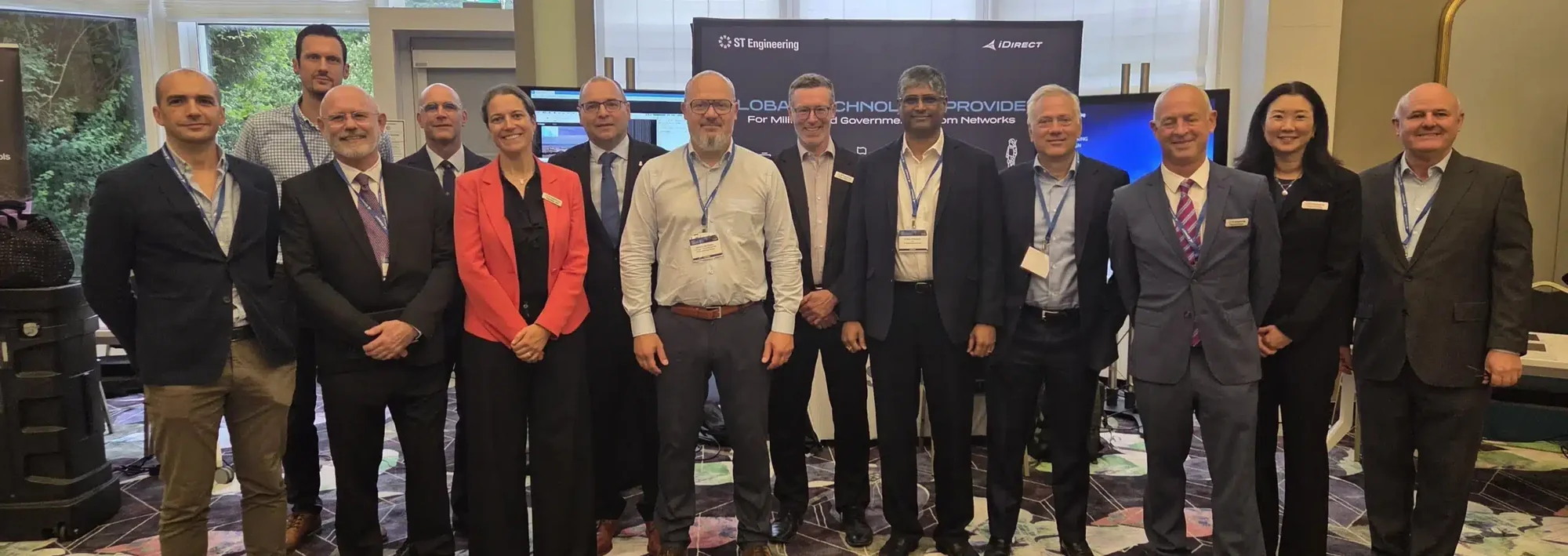
More than 100 MILSATCOM leaders gathered in Munich on June 10 as ST Engineering iDirect’s Global Government team hosted its biennial Defence Technology Day, bringing defence agencies, operators, integrators, and technology partners together around one urgent question: how can Europe build sovereign satellite communications that are resilient enough for today’s conflicts and adaptable enough for tomorrow’s threats?

Across keynotes, technical sessions, panels, and partner exhibits, the answer came through in a set of clear themes: resilience must be designed in from the start; sovereignty depends on both national control and European collaboration; and future defence networks must operate across contested, multi-domain environments.

The event also featured 12 exhibiting partners showcasing technologies and solutions that reflected the same priorities shaping the day’s discussions.

Resilience Is the Starting Point

Major Andrii Kovalchuk of the Armed Forces of Ukraine opened the discussion with a compelling battlefield perspective: modern SATCOM systems must be able to withstand cyberattacks, radio frequency interference, and physical infrastructure damage simultaneously.

His keynote grounded the event in the realities of war and reinforced a point echoed throughout the day: resilience cannot be added later. It must be embedded into architectures, terminals, waveforms, operational planning, and procurement decisions from the beginning.

Sovereignty Means Control, Collaboration, and Adaptability

Sovereignty was not framed as isolation. Instead, speakers explored how nations can preserve control over critical communications while still working within a stronger, more unified European defence framework.

Sarah Casenove of Airbus set the strategic context by focusing on national sovereignty in a united Europe, while Keith Blanchet of ST Engineering iDirect aligned that ambition to the technical foundations of secure networks and protected waveforms. Together, these discussions underscored that sovereign defence depends on the ability to act independently when required, while still aligning around standards, interoperability, and shared innovation.

That balance also shaped the constellation discussion, where operators and stakeholders examined the tension between sovereign capabilities and common standards. Ultimately, sovereign programs must remain adaptable by design, because the threat environment will continue to change.

Future Networks Must Be Multi-Orbit, Multi-Domain, and Interoperable

The technology discussions pointed toward a more integrated defence communications future. Bert van der Linden of ST Engineering iDirect highlighted new SATCOM architectures and the growing role of 5G Non-Terrestrial Networks (NTN), then continued the conversation with Alvaro Sanchez of Integrasys in a fireside chat on how 5G NTN can translate standardization into operational advantage.

Panelists also emphasized the need for user terminals that can support multi-orbit operations, modular deployment, rugged environments, and evolving mission requirements. As defence users move across domains and threat conditions, seamless connectivity can no longer depend on a single network, orbit, or path.

This is where PACE planning becomes critical. Primary, Alternative, Contingency, and Emergency communications must extend beyond SATCOM alone, incorporating options such as UHF/VHF to strengthen operational resilience.

Scale and Speed Matter on Europe’s Eastern Flank

The conflict in Ukraine remained a defining reference point throughout the event. Discussions around eastern flank defence reinforced the need to deliver high-volume, high-quality, lower-cost SATCOM solutions quickly enough to meet urgent operational demands.

Speakers also pointed to emerging technologies, including drones, as both a threat and a tool. The takeaway for defence planners was not simply to add more capacity, but to build flexible, affordable, and rapidly deployable capabilities that can adapt as operational realities shift.

Dave Davis of ST Engineering iDirect connected these strategic priorities to advanced defence solutions designed to support deployed forces in exactly these kinds of contested environments.

Why Defence Technology Day Matters

Europe’s MILSATCOM community is facing a defining moment. The conversations in Munich made clear that sovereign defence requires more than national capability alone. It requires resilient architectures, interoperable standards, adaptable technologies, and collaboration across ministries of defence, agencies, NATO, operators, integrators, and industry partners.

The threats will continue to evolve. So must the strategies. Defence Technology Day helped turn urgent challenges into focused dialogue—and reinforced that building a resilient, sovereign European MILSATCOM future will take sustained coordination well beyond a single event.

Hear from our partners about the event:

- Sarah Casenove from Airbus on why events like iDirect Defence Tech Day are critical for sovereignty and the future of European defence.

- Åke Jonsson from Cobham Satcom on why it’s important to attend.

- Michael Tombs from SD Government talks about why these events are important.

- Per Anker from Danish Defence discusses security, AI and multi-domain innovation.

- Jack Van Der Heijden from EM Solutions Pty Ltd shared his key takeaways on the industry’s shared commitment to greater collaboration in support of the end user.

Class (B2B/B2C)
B2B
Ingest Status
Rewritten
Dedupe hash
88d88ff46a59f63ca512c286da6a1038
Press Eligible
Yes
Press Eligible Reason
Industry event recap on defence satellite communications technology and European MILSATCOM capabilities.
Source Name
ST Engineering iDirect
Original Summary

<p>More than 100 MILSATCOM leaders gathered in Munich on June 10 as ST Engineering iDirect’s Global Government team hosted its biennial Defence Technology Day, bringing</p>
<p>The post <a href="https://www.idirect.net/blog/2026-defence-technology-day-building-the-f… Defence Technology Day: Building the Future of Sovereign Defence SATCOM</a> appeared first on <a href="https://www.idirect.net">ST Engineering iDirect</a>.</p>

Image URL
https://www.idirect.net/wp-content/uploads/2026/06/2026-Defence-Technology-Day-header-scaled.webp
Content Hash (SHA-256, erste 32 hex)
5699740d813dfcce77281b6801800fb2
How Foresight Is Shaping the Next Era of Intelligent Network Operations
Image File
Original HTML

Satellite operators are being asked to do more with increasingly complex networks.

Multi-orbit environments, growing service expectations, and expanding infrastructure have made traditional network operations harder to scale. Many operators are still working across fragmented tools, disconnected data sources, and siloed management systems that make troubleshooting slower and optimization more difficult.

That’s exactly why we built Foresight.

In our recent webinar with Via Satellite, Foresight: The Next Era of Intelligent Network Operations, Amit Grover, Josue Galan, and Rami Moussawi shared how operators can modernize without replacing the infrastructure they’ve already invested in. By unifying network and service management, applying AI to operational telemetry, and transforming network data into actionable intelligence, Foresight helps operators identify issues before they impact service, reduce operational complexity, optimize capacity, and take meaningful steps toward autonomous, self-healing networks. The discussion reinforced a simple but important idea: the future of satellite operations will be defined by organizations that can turn network data into action.

Class (B2B/B2C)
B2B
Ingest Status
Rewritten
Dedupe hash
7860d99d113b3033974f0bf181aaf93d
Press Eligible
Yes
Press Eligible Reason
Satellite network operations technology and AI capabilities for industry operators.
Source Name
ST Engineering iDirect
Original Summary

<p>Satellite operators are being asked to do more with increasingly complex networks. Multi-orbit environments, growing service expectations, and expanding infrastructure have made traditional network operations</p>
<p>The post <a href="https://www.idirect.net/blog/how-foresight-is-shaping-the-next-era-of-i… Foresight Is Shaping the Next Era of Intelligent Network Operations</a> appeared first on <a href="https://www.idirect.net">ST Engineering iDirect</a>.</p>

Image URL
https://www.idirect.net/wp-content/uploads/2026/07/THE-NEXT-ERA-OF-INTELLIGENT-NETWORK-OPERATIONS.webp
Content Hash (SHA-256, erste 32 hex)
f5c843feed46b9cd6cb8bdac77c779e6
Built to Last, Built to Evolve
Image File
Original HTML

Innovation, Hyperconnectivity, and Resilience in Tactical SATCOM

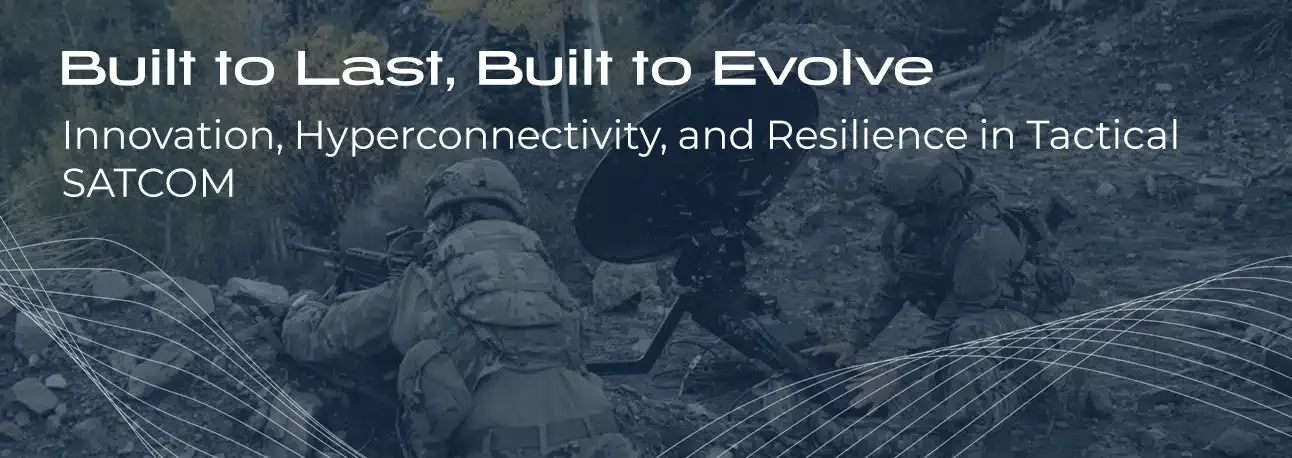
This Q&A brings together Marconi Technologies and partner perspectives to explore how the Hunter family of tactical SATCOM terminals is evolving to support modern military operations in an era defined by hyperconnectivity, contested communications environments, and multi-domain operations.

As defence forces increasingly rely on distributed sensors, autonomous systems, edge computing, and real-time command-and-control, resilient communications are becoming mission critical. From Arctic deployments to desert operations, the Hunter family is designed to provide adaptable, survivable, and high-capacity connectivity that supports both today’s GEO-based architectures and tomorrow’s multi-orbit networks.

Contributors

Keith Blanchet

VP International Government & Defense, ST Engineering iDirect

Keith Blanchet leads government relations, strategic initiatives, and business development efforts in the international government and defence sectors at ST Engineering iDirect.

Henry Nelson

President – UK, Marconi Technologies

Henry Nelson leads Marconi Technologies’ business in the UK covering its portfolio of Tactical Communications products alongside C2 software solutions and is responsible for the continued development and global strategy of the Hunter family of tactical SATCOM terminals.

Keith:

The industry is placing a lot of emphasis on multi-orbit connectivity and communications resilience. How is Marconi approaching that shift?

Henry:

The shift toward multi-orbit communications is one of the most significant developments we have seen in military SATCOM.

From Marconi’s perspective, the Hunter family provides the rugged, deployable terminal infrastructure that allows operators to access communications services in demanding operational environments. However, resilient multi-orbit networking requires more than antenna technology alone. It also depends on advanced modem technologies, intelligent network management, and the ability to operate seamlessly across multiple satellite constellations and waveforms.

This is where our partnership with ST Engineering iDirect becomes particularly valuable. Hunter terminals are designed to integrate with leading modem platforms that provide access to GEO, MEO, and emerging LEO architectures while supporting government and commercial satellite networks. iDirect’s capabilities in multi-orbit networking, dynamic bandwidth allocation, virtualization, and network orchestration help ensure that the terminal becomes part of a broader resilient communications architecture rather than a standalone asset.

Marconi’s terminal solution, powered by iDirect’s modem technology, builds communications infrastructures that combine rugged tactical access with intelligent network management, allowing operators to maintain connectivity even as mission requirements, satellite resources, or threat conditions change.

Keith:

“Adaptability” is a term that gets used frequently across the industry. What does it mean in practical terms for Hunter?

Henry:

At its core, Hunter is about operational reliability delivering the capability users need.

The design philosophy has always been straightforward: operators should be focused on the mission, not troubleshooting communications equipment in the field. Whether it’s the sub-25-pound ULV manpack or the larger FA-370 platform, the goal is rapid deployment, resilient connectivity, and long-term survivability in difficult environments.

The Hunter family was developed around the idea that modern military operations require communications systems that can adapt quickly to changing mission requirements. Today’s battlefield is becoming increasingly hyperconnected, with tactical radios, sensors, autonomous platforms, edge devices, and SATCOM all expected to operate as part of a unified network.

That means SATCOM terminals can no longer operate in isolation. They need to integrate into a broader transport architecture that combines radios, mesh networking, multi-orbit satellite connectivity, and increasingly resilient beyond-line-of-sight communications.

From a practical perspective, Hunter supports quad-band operation across X, C, Ku, and Ka bands, while maintaining compatibility with networks including WGS, SkyNet, Inmarsat GX, SES Flex, and GovSat. Carbon fibre construction helps reduce weight while maintaining structural stability across extreme environmental conditions.

Most importantly, the systems have been proven operationally in demanding environments where reliability matters.

Keith:

You mentioned contested environments and resilience. How important is that becoming for defence customers?

Henry:

Resilience has always been a defining requirement for military communications.

As communication systems have evolved so has the challenge of ensuring they remain resilient. Recent conflicts have demonstrated that communications systems must continue operating despite jamming, interference, cyber threats, spectrum congestion, or the loss of individual network elements. No single technology provides the complete answer.

Marconi contributes by providing highly reliable tactical communications platforms capable of operating in challenging environments and supporting multiple transport paths. At the same time, iDirect contributes sophisticated networking capabilities that enable traffic prioritization, network reconfiguration, multi-path communications, and integration across diverse satellite and terrestrial communications infrastructures.

The result is a layered communications architecture that combines SATCOM, troposcatter, tactical radios, mesh networking, and intelligent network orchestration. This approach provides defence forces with multiple options for maintaining mission-critical communications when parts of the network become degraded or denied.

Increasingly, customers are looking for complete resilient communications ecosystems rather than individual products, and the Marconi-iDirect partnership is well positioned to support that requirement.

Keith:

Marconi Technologies also talks about high levels of customization. How do you balance bespoke requirements against the need for standardized products?

Henry:

The foundation must always be a proven and standardized platform.

The Hunter family provides that foundation through a mature and operationally proven terminal architecture. Customers can deploy quickly while benefiting from established reliability, logistics support, and qualification pedigree.

At the same time, communications networks are becoming increasingly diverse. Different nations and programs often require unique modem integrations, security architectures, sovereign waveforms, network management approaches, or satellite service providers. Through collaboration with partners such as ST Engineering iDirect, Hunter can be integrated into a wide range of communications architectures while maintaining commonality at the platform level.

This balance allows customers to tailor solutions to their operational needs while minimizing development risk and maximizing interoperability with existing and future communications networks.

Keith:

How does Marconi Technologies see the broader communications landscape evolving over the next few years?

Henry:

The future communications environment is being defined by: hyperconnectivity accelerating the adoption of autonomous capabilities, multi-orbit networking, and resilience provided by multiple solutions.

Military organizations increasingly require continuous access to data generated by sensors, autonomous platforms, command-and-control systems, and distributed forces. Supporting these applications requires far more than increased bandwidth; it requires intelligent network architectures capable of managing multiple transport paths and dynamically adapting to changing conditions.

We see a future where tactical terminals such as Hunter serve as resilient access nodes into highly orchestrated communications ecosystems. Through partnerships with technology leaders such as ST Engineering iDirect, these ecosystems can leverage advanced modem technologies, software-defined networking, virtualization, automation, and multi-orbit connectivity to maximize operational effectiveness.

Success will depend on combining trusted field-proven hardware with increasingly intelligent network capabilities. Both elements are necessary to achieve the adaptive and survivable communications architectures that future military operations will require.

Keith:

Finally, for organizations evaluating tactical SATCOM solutions, what is the case for Hunter?

Henry:

The case for Hunter begins with proven operational performance.

The Hunter family has demonstrated its reliability in some of the world’s most demanding operating environments, providing defence customers with confidence that communications capabilities will be available when needed most.

Equally important, today’s customers are investing not only in terminals but in complete communications architectures. The combination of Marconi’s rugged tactical SATCOM platforms, expertise across the breadth of communication systems including Orion radios and Archer troposcatter systems, and ST Engineering iDirect’s advanced modem, waveform, multi-orbit, and network orchestration technologies provides a powerful foundation for future communications requirements.

The Hunter terminal family, powered by ST Engineering iDirect technology, delivers:

- Proven and rugged tactical SATCOM terminals.

- Access to multiple satellite operators and orbital architectures.

- Advanced modem and waveform capabilities.

- Intelligent network management and orchestration.

- Scalability from small tactical deployments to enterprise-level defence networks.

- A clear evolution path toward future multi-orbit and resilient communications architectures.

Class (B2B/B2C)
B2B
Ingest Status
Rewritten
Dedupe hash
b88d77306824783224c19e7246e351b1
Press Eligible
Yes
Press Eligible Reason
Industry Q&A about tactical SATCOM products and resilient military communications technology.
Source Name
ST Engineering iDirect
Original Summary

<p>Innovation, Hyperconnectivity, and Resilience in Tactical SATCOM This Q&#38;A brings together Marconi Technologies and partner perspectives to explore how the Hunter family of tactical SATCOM</p>
<p>The post <a href="https://www.idirect.net/blog/built-to-last-built-to-evolve/">Built to Last, Built to Evolve</a> appeared first on <a href="https://www.idirect.net">ST Engineering iDirect</a>.</p>

Image URL
https://www.idirect.net/wp-content/uploads/2026/08/QABlogBanner.webp
Content Hash (SHA-256, erste 32 hex)
42eec1091775b68f98fdf441ab2492fa
Engineering Perspective: Shaping a New Era of Intelligent Satellite Operations
Image File
Original HTML

In this Q&A, Shanthakumar Ramakrishnan, Sr. Director of Engineering at ST Engineering iDirect, responds to questions from the World Teleport Association to inform their latest research report, “The AI-Driven Teleport.”

Top 5 Key Takeaways

1) AI is shifting network operations from reactive to predictive.

Foresight applies predictive maintenance, anomaly detection, and AI-assisted root-cause analysis to help operators identify issues earlier, understand their causes, and act before service is affected.

2) Operational intelligence is emerging as a leading AI use case.

Operators are prioritizing predictive analytics, service assurance, intelligent orchestration, capacity optimization, and security analytics to improve efficiency and service performance. Foresight brings these operational functions together with AI-driven intelligence and automation.

3) Multi-orbit complexity requires a unified intelligence layer.

As operators bring together GEO, MEO, and LEO networks, Foresight helps bridge the gap between fragmented operational data and coordinated decision-making by correlating network, service, capacity, and SLA insights across environments. This creates the foundation for more policy-driven, orbit-agnostic operations.

4) Satellite-specific intelligence matters.

The most effective approach comes from combining the innovation of commercial AI with the specialized knowledge required to operate satellite networks. We built Foresight to bring together purpose-built models, workflows, and domain expertise that help operators apply AI more effectively across their operations.

5) The path to autonomy starts with trusted data and integrated workflows.

Foresight connects reliable operational data, analytics, workflows, and scalable MLOps practices so that insights can move into recommendations and automated actions, providing a foundation for increasingly autonomous satellite operations.

WTA: Over the past two years, where have you seen AI deliver the most measurable operational value, and what KPIs improved as a result?

SK: We have conducted a series of AI proof-of-concepts focused on network operations, service assurance, and service orchestration. The most measurable operational value has been achieved in predictive maintenance, anomaly detection, and closed-loop network automation. By leveraging real-time network telemetry, machine learning models, and advanced analytics, operators can proactively identify service degradation, service-impacting anomalies, and potential link failures before they affect customers. This enables a shift from reactive troubleshooting to predictive and prescriptive operations, significantly improving operational efficiency.

Based on industry benchmarks, operational analysis, and the capabilities being developed within Foresight, our recently introduced AI-driven platform for network management and service orchestration, noticeable KPI improvements can be expected. Mean Time to Repair (MTTR) could be reduced from hours to minutes through AI-assisted root cause analysis and prescriptive recommendations. NOC operational workload could be reduced by up to 60% through automated monitoring, anomaly detection, and initial troubleshooting. SLA compliance is expected to improve through earlier detection and mitigation of service-impacting events. In addition, Foresight’s AI-driven capacity optimization is expected to increase utilization of existing network capacity, enabling operators to maximize revenue opportunities and defer additional infrastructure investments. Collectively, these capabilities can improve service availability, lower operating costs, and increase the return on existing network assets.

WTA: Which AI-driven applications are gaining the fastest adoption today?

SK: We have only recently introduced Foresight, but customer discussions and industry trends indicate that predictive analytics and operational intelligence are among the AI capabilities generating the strongest interest. These capabilities enable proactive fault detection, anomaly identification, capacity forecasting, and performance prediction, helping operators prevent service disruptions before they impact customers.

Another area attracting significant attention is AI-powered service assurance, where machine learning models can identify patterns that may lead to SLA breaches and provide actionable recommendations before performance degradation occurs. This helps operators move beyond traditional alarm management toward more proactive and intelligence-driven operations.

We also see growing interest in AI-enabled orchestration and automation, particularly in increasingly complex multi-vendor and multi-orbit environments. These solutions help translate operational and business intent into automated workflows, reducing manual effort and improving service agility. In parallel, AI-driven security analytics, including threat detection, anomaly monitoring, and automated response capabilities, are becoming increasingly important as satellite networks expand and attack surfaces grow.

Overall, we expect these operational intelligence use cases to be among the fastest-growing AI application areas over the next several years.

WTA: How is AI changing the way ground segment providers manage increasingly complex multi-orbit and multi-band environments?

SK: AI is fundamentally changing how ground segment providers manage the growing complexity of multi-orbit and multi-band networks. With the introduction of Foresight, operators can move toward a unified, AI-driven operational model that spans GEO, MEO, and LEO environments rather than managing each network independently.

By correlating network telemetry, service metrics, business data, and SLA requirements, AI can provide a holistic view of the network and enable more intelligent decision-making. This allows operators to proactively identify performance degradation, predict capacity constraints, optimize bandwidth utilization, and prioritize traffic based on service policies and business objectives.

AI-driven analytics can also help automate routine operational tasks, reducing dependence on manual monitoring and troubleshooting while improving consistency across diverse network environments. As multi-orbit architectures continue to expand, these capabilities become increasingly important for managing dynamic topologies, handovers, varying latency characteristics, and fluctuating traffic demands.

Ultimately, AI enables a transition from platform-centric network management to orbit-agnostic, policy-driven operations, where resources are optimized across the entire network ecosystem. This provides operators with a scalable path toward greater automation, improved operational efficiency, enhanced service assurance, and, over time, autonomous network operations.

WTA: What role is AI playing in automating network operations and service assurance?

SK: In network operations and service assurance, Foresight AI helps teams move from reactive monitoring to proactive management by reducing alarm fatigue, accelerating root-cause analysis, continuously assessing performance against SLA objectives, and recommending actions based on operational impact.

Over time, this creates a foundation for closed-loop operations, where anomalies are detected, likely causes are identified, and corrective actions can be recommended or automated before service is affected.

WTA: Are operators adopting commercial AI platforms, or building custom systems? What are the pros and cons?

SK: The industry is increasingly adopting a hybrid approach that combines commercial AI technologies with custom-developed operational intelligence. Most operators recognize that commercial AI platforms provide a strong foundation for machine learning, data analytics, generative AI, and MLOps, while custom solutions are often required to address the unique requirements of satellite communications and network operations.

Commercial AI platforms offer advantages such as faster deployment, lower upfront investment, access to state-of-the-art AI models, and ongoing innovation from major technology providers. They allow operators to accelerate adoption and focus on business outcomes rather than building and maintaining core AI infrastructure. However, these platforms are generally designed for broad enterprise use cases and often lack the domain-specific knowledge required for satellite network operations, service assurance, capacity optimization, and multi-orbit orchestration.

Custom AI systems provide greater control over data, security, operational workflows, and model behavior. They can be tailored to specific operational challenges and integrated deeply into existing OSS/BSS, NMS, and service management environments. The trade-off is that they require greater investment, specialized expertise, and ongoing lifecycle management.

Foresight reflects this hybrid approach. It leverages commercial AI technologies for conversational and generative capabilities, while purpose-built machine learning models diagnose and predict network behavior for SATCOM environments. Foresight Advisor, the platform’s AI assistant, serves as the natural-language interface to that intelligence. Together, these capabilities allow operators to benefit from the scalability and innovation of commercial AI while gaining satellite-specific intelligence for predictive maintenance, service assurance, capacity optimization, Global Bandwidth Management (GBWM), multi-vendor network operations, and multi-orbit orchestration.

As satellite networks evolve toward increasingly complex GEO, MEO, and LEO architectures, we expect this hybrid approach to become the preferred model because it delivers both rapid innovation and the specialized intelligence required to operate next-generation satellite networks effectively.

WTA: How are AI/ML applied to spectrum and RF performance optimization?

Class (B2B/B2C)
B2B
Ingest Status
Rewritten
Dedupe hash
ec79c9e1e0fa0b2dfdbf152188c24618
Press Eligible
Yes
Press Eligible Reason
Manuelle Prüfung nötig. Risiko: MEDIUM. Flags: ['numbers']. Stichprobe: False
Source Name
ST Engineering iDirect
Original Summary

<p>In this Q&#38;A, Shanthakumar Ramakrishnan, Sr. Director of Engineering at ST Engineering iDirect, responds to questions from the World Teleport Association to inform their latest</p>
<p>The post <a href="https://www.idirect.net/blog/engineering-perspective-shaping-a-new-era-… Perspective: Shaping a New Era of Intelligent Satellite Operations</a> appeared first on <a href="https://www.idirect.net">ST Engineering iDirect</a>.</p>

Image URL
https://www.idirect.net/wp-content/uploads/2026/09/ForesightQABlogWebBanner.webp
Content Hash (SHA-256, erste 32 hex)
ef8279e4f2ec34eaf877deaffc1101d1
Building Emergency Response Readiness Through Real-World Collaboration
Image File
Original HTML

When a crisis strikes, effective response depends on more than reliable technology. It requires agencies, first responders and technology providers to work together seamlessly. Events such as the 2026 Central States Communications Exercise in Hot Springs, Arkansas, create a valuable environment to strengthen that coordination before it is needed in the field.

Rather than relying on demonstrations alone, the exercise gives participants hands-on experience with communications technologies in realistic scenarios. Local, state, tribal and federal agencies, along with nongovernmental organizations, can test capabilities, explore new approaches and learn from emergency communications professionals who have supported real-world incidents. Just as importantly, they can identify interoperability challenges across networks, equipment and operating procedures.

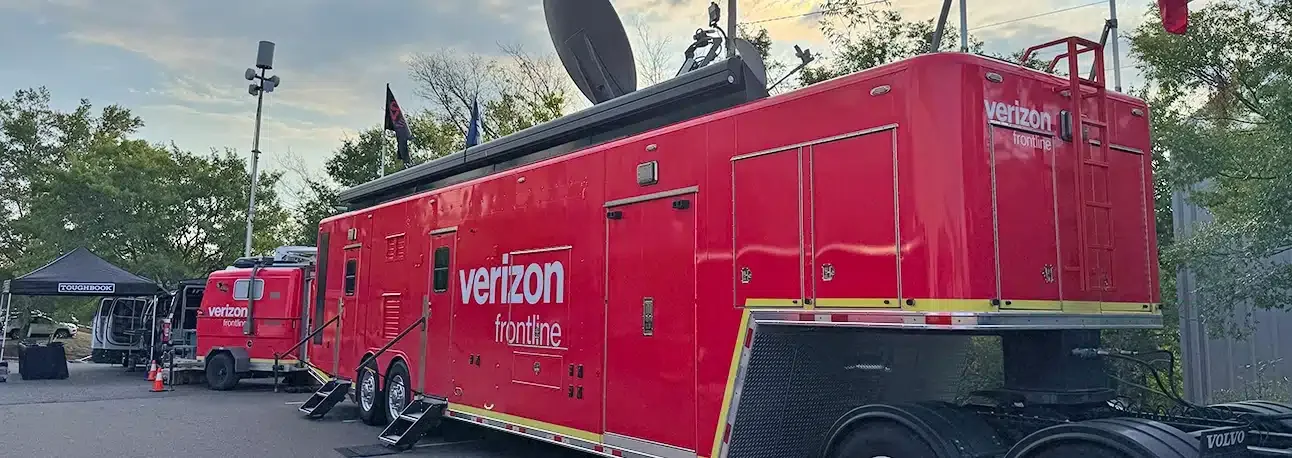
Verizon Frontline showcased a range of deployable assets designed to help restore and extend connectivity during emergencies – many of which were powered by ST Engineering iDirect technology.

- Accelerate on-site decisions: THOR delivers mobile private 5G, edge computing and command capabilities.

- Connect teams off grid: OXEN provides rugged communications in remote or damaged areas.

- Restore cellular coverage quickly: SPOTs extend service where terrestrial networks are unavailable.

- Keep communications resilient: Turtleback connects teams across multiple satellite orbits.

- Reach hard-to-access areas: Can-Am vehicles carry communications equipment off road.

- Adapt to any incident: Additional assets match connectivity to the terrain and mission.

ST Engineering iDirect’s Kris Jarrett, Regional Vice President for North America, joined the Verizon Frontline team and other technology partners on site. “Exercises like Central States give us a direct view into the operational needs of responders and invaluable real-time feedback from the people who depend on these systems when communications matter most. By bringing agencies and industry together in a practical training environment, we can turn technology into tested capability, strengthen interoperability and help emergency-response teams coordinate with greater speed and confidence.”

Class (B2B/B2C)
B2B
Ingest Status
Rewritten
Dedupe hash
715f79564138350aeeaf94be7cc2b670
Press Eligible
Yes
Press Eligible Reason
Industry collaboration and communications technology for emergency response professionals.
Source Name
ST Engineering iDirect
Original Summary

<p>When a crisis strikes, effective response depends on more than reliable technology. It requires agencies, first responders and technology providers to work together seamlessly. Events</p>
<p>The post <a href="https://www.idirect.net/blog/building-emergency-response-readiness-thro… Emergency Response Readiness Through Real-World Collaboration</a> appeared first on <a href="https://www.idirect.net">ST Engineering iDirect</a>.</p>

Image URL
https://www.idirect.net/wp-content/uploads/2026/10/emergency-response-blog-header.webp
Content Hash (SHA-256, erste 32 hex)
796e9d44b2c2ebbf195c9be3a044656e
Healthcare intelligence: Real-time answers from real-world care
Image File
Original HTML

Healthcare is changing every day. New therapies enter the market, prescribing patterns shift, safety questions emerge, and guidelines begin to reshape clinical practice. Yet the way organizations study these changes has historically lagged well behind the pace of care.

Several developments are beginning to close that gap. Electronic health records have created a more complete view of patient care. Real-world data have become an important complement to clinical trials and published research. AI is making healthcare data easier to explore and helping more people investigate complex questions without specialized programming or analytics expertise. These changes are all contributing to a broader shift in how organizations learn from healthcare.

Many organizations now use the term healthcare intelligence to describe the ability to explore questions using real-world healthcare data, analytics, and AI. In practice, healthcare intelligence helps organizations monitor change, investigate emerging questions, and identify where deeper research may be needed.

Instead of relying on a series of one-off projects, organizations can continuously learn from healthcare as care evolves. Truveta Intelligence is built for this new way of working. Powered by the most complete and real-time view of US patient care, it helps healthcare, life science, and government teams ask better questions, examine the reasoning behind each answer, and move faster to evidence, enabling us to learn from every patient every day.

What is healthcare intelligence?

Healthcare intelligence combines healthcare data, analytics, and AI to help organizations understand what is happening across patient care.

Unlike many healthcare AI tools, healthcare intelligence is grounded in real-world healthcare data. Some healthcare AI applications help clinicians document visits, summarize patient charts, or search medical literature. Healthcare intelligence helps organizations investigate questions using real-time patient care data so that what is learned about one patient can help the next.

For example, organizations may want to understand how a newly approved therapy is being adopted, whether treatment patterns are changing, or which patient populations are receiving care. These questions often cannot be answered through published literature alone because the changes are still unfolding.

Healthcare intelligence complements clinical trials, peer-reviewed research, and real-world evidence by helping teams understand what is happening between those milestones and identify questions that warrant deeper study.

What healthcare intelligence enables

Healthcare intelligence helps organizations answer questions that traditionally required multiple teams, custom analyses, or months of research.

Understanding therapy adoption

When a new therapy launches, organizations want to know who is receiving treatment, how prescribing patterns differ across clinicians, and whether adoption is occurring as expected. Healthcare intelligence can provide an early view of treatment uptake, switching patterns, and patient populations while longer-term outcomes research is still underway.

Supporting clinical trial and evidence decisions

Researchers use healthcare intelligence to understand patient populations, evaluate study feasibility, identify potential sites, and refine study design. These insights can help inform clinical trials, observational studies, and evidence-generation strategies before significant time and resources are invested.

Detecting emerging safety and treatment signals

Healthcare intelligence can surface unexpected treatment patterns, changes in utilization, and potential safety signals that warrant further investigation. These early observations help organizations prioritize where deeper analysis, formal studies, or additional monitoring may be needed.

Healthcare intelligence in practice: Early Foundayo adoption

When oral orforglipron (Foundayo) was approved for obesity in April 2026, researchers already had data from clinical trials describing its efficacy and safety. What they did not yet know was how the therapy would be adopted in routine clinical practice.

Using Truveta Data, researchers identified 5,723 patients with a prescription or medication dispense for Foundayo between April 1 and July 6, 2026.

Among patients initiating Foundayo, 40.3% had no evidence of prior GLP-1 medication use, indicating the medication may be reaching a new patient population. General practice clinicians accounted for 60.0% of prescriptions, while advanced practice providers accounted for another 31.9%. Only 0.1% of patients had evidence of recent oral semaglutide use.

Three months after approval is not enough time to understand long-term outcomes or treatment persistence, but it is enough time to understand who is receiving treatment and how adoption is taking shape. In this case, the analysis suggested that Foundayo was reaching many patients who had not previously used a GLP-1 medication and that adoption was occurring mostly through primary care. Those observations provided an early picture of how oral GLP-1 therapies were entering routine obesity care and identified questions for future research.

The standard healthcare intelligence should meet

AI has made healthcare questions easier to ask. It has also made it easier to receive answers without understanding where they came from. When evaluating healthcare intelligence, organizations need to consider the data, methods, transparency, and evidence behind the results.

Timely data

Many questions involve changes taking place now, including the adoption of a new therapy or the emergence of a potential safety signal. Daily refreshed data allow teams to study recent care without waiting for claims to mature or new research to be published.

Clinical depth

Claims data provide useful information about utilization and cost, but many questions require details found in electronic health records (EHRs). Laboratory results, medications, clinical notes, imaging, and longitudinal treatment histories help researchers understand which patients received care and what happened over time.

Verifiable answers

Healthcare intelligence should not operate as a black box. Users should be able to understand how a patient population was defined, which data were included, how outcomes were measured, and what limitations apply.

A path to evidence

Early findings may lead to safety analyses, observational studies, peer-reviewed research, or regulatory-grade evidence. Healthcare intelligence should make it possible to carry a useful question into deeper analysis rather than beginning again in a separate workflow.

How Truveta approaches healthcare intelligence

Truveta Intelligence helps healthcare, life science, and government teams explore questions using natural language and real-world healthcare data. It is designed to help users investigate emerging questions, examine the reasoning behind each answer, and monitor meaningful changes across patient care.

Those answers are grounded in Truveta Data, a daily refreshed view of patient care representing more than 140 million patients. Truveta Data includes electronic health records, clinical notes, images, linked claims, mortality data, social determinants of health, and more than 10 years of longitudinal patient history.

When a question requires deeper validation, organizations can build on those findings with Truveta Evidence. Rather than starting over in a separate workflow, teams can move from exploration to formal analysis using the same underlying data foundation.

Together, these capabilities help organizations answer questions about healthcare today while supporting the rigorous evidence generation required for healthcare decisions.

Frequently asked questions about healthcare intelligence

What is healthcare intelligence?

Healthcare intelligence combines healthcare data, analytics, and AI to help organizations investigate questions using real-world patient care data. It can help teams understand how care is changing, monitor emerging trends, and identify questions that require deeper research.

How is healthcare intelligence different from healthcare AI?

Healthcare AI is a broad category that includes tools for tasks such as clinical documentation, patient chart summarization, and medical literature search. Healthcare intelligence focuses on helping organizations learn from healthcare data and understand what is happening across patient populations, treatments, and outcomes.

How is healthcare intelligence different from healthcare analytics?

Healthcare analytics are the methods used to analyze data. Healthcare intelligence is the ability to use data, analytics, and AI to answer questions, explore emerging issues, and support decision-making.

Why do real-time data matter?

Many healthcare questions involve changes that are happening now, including therapy adoption, treatment patterns, and potential safety signals. Access to timely data can help organizations understand those changes while they are occurring rather than months later.

What makes healthcare intelligence trustworthy?

Trustworthy healthcare intelligence is built on current, clinically deep data, transparent methods, and answers that can be verified. Users should be able to understand how a result was generated, what data were included, and what limitations apply.

Is healthcare intelligence the same as real-world evidence?

No. Healthcare intelligence helps organizations explore questions, identify signals, and understand emerging trends. Real-world evidence requires more formal study design, validation, and methodological rigor appropriate for the decision being made.

How can healthcare intelligence support life science organizations?

Healthcare intelligence can help life science teams understand therapy adoption, evaluate clinical trial opportunities, monitor safety signals, characterize disease populations, and identify areas for further research.

Class (B2B/B2C)
B2B
Ingest Status
Rewritten
Dedupe hash
9185c615a02d5975bec81cd5b7034a4f
Press Eligible
Yes
Press Eligible Reason
Manuelle Prüfung nötig. Risiko: MEDIUM. Flags: ['numbers', 'medical']. Stichprobe: False
Source Name
Truveta
Original Summary

Learn how healthcare intelligence uses real-world data, analytics, and AI to help organizations understand healthcare as it evolves and move faster to evidence.

Image URL
https://www.truveta.com/wp-content/uploads/2026/09/Healthcare-Intelligence-SEO-Article-thumbnail.jpg
Source Node
Content Hash (SHA-256, erste 32 hex)
63511bcf1fb2a0bbd757433150f335e2
Trends in computer-assisted navigation during endoscopic sinus surgery among US adults, 2018–2026
Image File
Original HTML

- Use of computer-assisted navigation in endoscopic sinus surgeries increased from 29.2% in 2018 to 41.0% in 2026.

- Rate of computer-assisted navigation varied by demographic and clinical factors.

Endoscopic sinus surgery is a minimally invasive procedure that uses a small camera inserted through the nose to access and open blocked sinus passages, allowing the sinuses to drain and function properly (1, 2). It is commonly used to treat sinonasal disorders, such as chronic rhinosinusitis, recurrent acute sinusitis, nasal polyps, mucoceles, cysts, and structural abnormalities that interfere with airflow or mucus drainage (1). For patients who do not respond to treatments such as medications or saline rinses, this procedure can lead to significant symptom relief, reduce infections, and improve overall quality of life (1, 3).

Computer-assisted surgical navigation is often used to support endoscopic sinus surgery when the usual sinus structures are altered or difficult to identify, when the disease is extensive, or when the surgery is close to important areas like the eyes or skull base. This technology integrates preoperative CT imaging with real-time tracking of surgical instruments, essentially functioning like a GPS system to help guide the surgeon with greater precision and safety (4).

Studies evaluating computer-assisted navigation systems for endoscopic sinus surgery have generally shown high accuracy in identifying anatomic structures, although this reflects a broad range of technologies that have evolved over time (5–8). Research assessing their use in endoscopic sinus surgery has demonstrated mixed results, with some studies suggesting benefits, but others finding no meaningful differences in outcomes (7, 9–13). Major professional societies endorse the use of computer-assisted navigation in complex cases (14, 15). Surgeons performing endoscopic sinus surgery consistently report high satisfaction with computer-assisted navigation technologies, noting reductions in surgical stress (16, 17).

We examined trends in the use of computer-assisted navigation among adult patients undergoing endoscopic sinus surgery in Truveta Data.

Methods

Using a subset of Truveta Data, we identified adult patients who underwent endoscopic sinus surgery between January 1, 2018, and August 31, 2026. Endoscopic sinus surgery was defined using relevant procedure codes. Endoscopic sinus surgery–coded visits occurring within 90 days of a prior surgery code were grouped as a single surgery, using the earliest date in each 90-day window (18). If any visit in the window included a computer-assisted navigation code, the surgery was classified as using navigation on that first surgery date. Computer-assisted navigation was identified using a specific add-on CPT code.

We evaluated the rate in which computer-assisted navigation was used in endoscopic sinus surgeries over time and examined utilization across demographics. We also assessed differences for patients with clinical characteristics, comparing computer-assisted navigation use among patients with diagnoses of acute recurrent sinusitis, chronic sinusitis, nasal polyps, nasal cysts, structural sinonasal disorders, asthma, or cystic fibrosis in the two years prior to surgery.

You can view the complete study, including data definitions and code, directly in Truveta.

Results

Across all 98,971 endoscopic sinus surgeries, computer-assisted navigation was used in 35.5% of surgeries. Computer-assisted navigation use increased from 29.2% in 2018 to 41.0% in 2026, which represents a 40.4% relative increase over the study period.

Clinical characteristics

Computer-assisted navigation use was higher among patients who had specific sinonasal or respiratory conditions, including acute recurrent sinusitis, chronic sinusitis, nasal polyps, nasal cysts, structural sinonasal disorders, asthma, and cystic fibrosis, in the two years before surgery

Age group

Computer-assisted navigation varied by age group. Computer-assisted navigation use was highest for patients aged 25-44 (37.8%) and those aged 45-64 (37.1%). It was lowest for the youngest (18-24 year-olds; 33.4%) and oldest age groups in our study (aged 65+; 32.0%).

Discussion

Computer-assisted navigation use increased steadily from 2018 to 2026, consistent with broader adoption of navigation technologies in surgical practice (19–22). Increased availability of computer-assisted navigation systems, surgeon training, and evolving clinical guidelines supporting computer-assisted navigation in complex or higher-risk cases may contribute to this trend (14, 23–25).

Higher use of computer-assisted navigation among patients with chronic sinusitis, nasal polyps, prior inflammation, or structural abnormalities aligns with common insurance authorization requirements and professional society guidelines, which often recommend that computer-assisted navigation is appropriate when a case is more complex (15, 26). Age-related differences may relate to disease presentation, insurance coverage patterns, or referral pathways (27).

As technology evolves, the use of computer-assisted navigation may continue to increase. Innovations such as augmented reality overlays, enhanced imaging integration, and early development of AI-assisted navigation have the potential to expand the capabilities of intraoperative guidance systems (1, 13).

There are a few limitations associated with this analysis. Identification of computer-assisted navigation relied on the CPT add-on code being documented. If this code is missing or inconsistently captured, the data may underestimate how often navigation is used. This analysis includes all computer-assisted navigational technologies and did not differentiate among specific platforms or levels of technological advancement, and computer-assisted navigation systems may vary substantially between sites of care. Lastly, we did not distinguish between whether patients obtained prior authorization or insurance approval for navigation, which could influence whether the add-on code was billed.

Together, these findings highlight how computer-assisted navigation is being incorporated into current surgical practice and offer a clear picture of how its use has evolved in recent years. This analysis offers a glimpse into how advanced technologies are being adopted in clinical care today, though it represents only one of many such innovations.

These are preliminary research findings and not peer reviewed. Data are constantly changing and updating. These findings are consistent with data accessed on September 8, 2026.

Citations

- S. Govindaraj, N. D. Adappa, D. W. Kennedy, Endoscopic sinus surgery: evolution and technical innovations. The Journal of Laryngology & Otology 124, 242–250 (2010).

- Endoscopic Sinus Surgery – A Patient’s Guide, Otolaryngology — Head & Neck Surgery. https://med.stanford.edu/ohns/OHNS-healthcare/sinuscenter/resources/sinus_guide.html.

- Z. M. Soler, T. L. Smith, Quality of Life Outcomes after Functional Endoscopic Sinus Surgery. Otolaryngol Clin North Am 43, 605–612 (2010).

- R. B. Bell, Computer planning and intraoperative navigation in cranio-maxillofacial surgery. Oral and Maxillofacial Surgery Clinics 22, 135–156 (2010).

- D. Z. Allen, J. Talmadge, M. J. Citardi, Semi-Quantitative Assessment of Surgical Navigation Accuracy During Endoscopic Sinus Surgery in a Real-World Environment. Ann Otol Rhinol Laryngol 134, 14–20 (2025).

- E. ten Dam, H. M. Helder, B. F. A. M. van der Laan, R. A. Feijen, A. G. W. Korsten-Meijer, The effect of three-dimensional visualisation on performance in endoscopic sinus surgery: A clinical training study using surgical navigation for movement analysis in a randomised crossover design. Clinical Otolaryngology 45, 211–220 (2020).

- A. Singh, R. Kumar, A. Thakar, S. C. Sharma, A. S. Bhalla, Role of Image Guided Navigation in Endoscopic Surgery of Paranasal Sinuses: A Comparative Study. Indian J Otolaryngol Head Neck Surg 72, 221–227 (2020).

- J. Ruthberg, N. Gunderson, P. Chen, G. Harris, H. Case, R. Bly, E. J. Seibel, W. M. Abuzeid, Vision-Guided Surgical Navigation Using Computer Vision for Dynamic Intraoperative Imaging Updates. International Forum of Allergy & Rhinology n/a (2025).

- B. Galletti, F. Gazia, F. Freni, F. Sireci, F. Galletti, Endoscopic sinus surgery with and without computer assisted navigation: A retrospective study. Auris Nasus Larynx 46, 520–525 (2019).

- M. D. Gibbons, C. G. Gunn, S. Niwas, M. J. Sillers, Cost Analysis of Computer-Aided Endoscopic Sinus Surgery. American Journal of Rhinology 15, 71–76 (2001).

- M. P. Fried, V. M. Moharir, J. Shin, M. Taylor-Becker, P. Morrison, D. W. Kennedy, Comparison of Endoscopic Sinus Surgery with and without Image Guidance. American Journal of Rhinology 16, 193–197 (2002).

- T. D. Vreugdenburg, R. S. Lambert, Y. N. Atukorale, A. L. Cameron, Stereotactic anatomical localization in complex sinus surgery: A systematic review and meta‐analysis. The Laryngoscope 126, 51–59 (2016).

- A. Paleri, R. Ramalingam, K. K. Ramalingam, S. Udupi, W. Khan, R. Harirajan, Utility of Navigation Technology in Functional Endoscopic Sinus Surgery. International Journal of Head and Neck Surgery 15, 8–13 (2024).

- Position Statement: Intra-Operative Use of Computer Aided Surgery – American Academy of Otolaryngology-Head and Neck Surgery (AAO-HNS), American Academy of Otolaryngology-Head and Neck Surgery (2023). https://www.entnet.org/resource/position-statement-intra-operative-use-of-computer-aided-surgery/.

- Criteria for Image Guided Surgery, American Rhinologic Soceity (2023). https://www.american-rhinologic.org/index.php?option=com_content&view=article&id=35:criteria-for-image-guided-surgery&catid=26:position-statements&Itemid=197.

- D. M. Beswick, V. R. Ramakrishnan, The Utility of Image Guidance in Endoscopic Sinus Surgery: A Narrative Review. JAMA Otolaryngol Head Neck Surg 146, 286–290 (2020).

- E. Vicaut, B. Bertrand, J.-L. Betton, A. Bizon, D. Briche, L.

Class (B2B/B2C)
B2B
Ingest Status
Rewritten
Dedupe hash
ec869cb671fe78094b8956963fcd273c
Press Eligible
Yes
Press Eligible Reason
Manuelle Prüfung nötig. Risiko: MEDIUM. Flags: ['numbers']. Stichprobe: False
Source Name
Truveta
Image URL
https://www.truveta.com/wp-content/uploads/2026/09/Trends-in-computer-assisted-sinus-surgery-thumbnail.jpg
Source Node
Content Hash (SHA-256, erste 32 hex)
21a66daae7ef133ae06b09155452b130
Rising use of robotic-assisted total hip arthroplasty
Image File
Original HTML

- Use of robotic assistance during total hip arthroplasty (THA) nearly tripled between 2018 and 2026, accounting for 10.8% of THA procedures by 2026.

- Robotic-assisted procedures had longer operation durations than procedures without robotic assistance.

- Robotic-assisted THA was associated with lower rates of several postoperative complications after adjustment for patient and clinical characteristics.

Total hip arthroplasty (THA), commonly known as hip replacement surgery, is one of the most successful procedures in orthopedic surgery, providing durable pain relief and improved function for many patients (1–3). THA replaces damaged portions of the hip joint with prosthetic components to relieve pain, improve mobility, and restore function in patients with conditions such as osteoarthritis, hip fractures, and avascular necrosis (1, 4).

As the number of hip replacements performed each year continues to grow, surgeons and health systems are increasingly evaluating technologies that may improve procedural precision and patient outcomes (4–6). One such innovation is robotic-assisted surgery, which uses advanced planning software and real-time guidance during surgery to help surgeons position implants and perform the procedure with greater precision (4, 7, 8). However, questions remain regarding whether these technical advantages translate into improved patient outcomes in routine clinical practice (9–11).

Prior studies have documented increasing use of robotic-assisted THA and have suggested potential differences in surgical outcomes compared with conventional approaches (8). However, these studies have generally relied on data through the early 2020s, identified robotic-assisted procedures using procedural add-on codes, or were conducted within academic medical centers, potentially limiting insight into contemporary utilization and outcomes across broader clinical practice settings (6, 12).

Using Truveta Data, we examined trends in the use of robotic assistance during THA through August 2026. We also evaluated operation duration and postoperative outcomes among patients undergoing robotic-assisted procedures and those without robotic assistance.

Methods

Using a subset of Truveta Data, we identified patients who underwent total hip arthroplasty between January 2018 and August 2026.

Robotic-assisted procedures were identified through procedure add-on codes indicating robotic surgical assistance or documentation of robotic device use during surgery. Those that did not have documentation of robotic assistance through either source were classified as procedures without robotic assistance.

Outcomes

We evaluated operation duration and several postoperative outcomes among patients undergoing THA. Operation duration was measured as the time between anesthesia start and anesthesia stop.

Blood transfusion was assessed within two days of surgery to capture perioperative transfusions related to the index procedure. Early postoperative complications, including infection, revision surgery, venous thromboembolism (VTE), and wound dehiscence, were assessed within 90 days of surgery. Longer-term complications, including pain-related diagnoses, revision surgery, prosthetic loosening, stiff hip, and wear or osteolysis, were assessed between 90 days and one year after surgery.

Analyses

We examined trends in the use of robotic-assisted THA over time by calculating the percentage of THA procedures performed with robotic assistance each year.

Operation duration was summarized using the median and interquartile range (IQR) and compared between robotic-assisted procedures and procedures without robotic assistance.

To ensure outcomes could be reliably captured, analyses were restricted to patients with complete follow-up for the outcome window of interest. For example, analyses of outcomes occurring between 90 days and one year after surgery included only patients who had at least one year of potential follow-up after surgery and a documented healthcare encounter after that follow-up period.We used multivariable logistic regression to evaluate whether postoperative outcomes differed between robotic-assisted procedures and procedures without robotic assistance. Models adjusted for factors that may influence both treatment selection and outcomes, including sex, age, race, ethnicity, rural or urban residence, obesity, year of surgery, and Elixhauser Comorbidity Index.

When describing results, we use the term significantly only for associations that remained statistically significant after adjustment for patient and clinical characteristics. Outcomes that were not statistically different after adjustment are described as similar or comparable between groups.

Results

A total of 259,134 THA procedures were included in the analysis. The median patient age was 69 years (SD 11), and 57.7% of patients were female. Most patients were White (85.7%), non-Hispanic (92.6%), and lived in urban areas (69.9%). Robotic assistance was used in 8.1% of THA procedures.

Rates of robotic assistance over time

Use of robotic assistance during THA nearly tripled between 2018 and 2026, increasing from approximately 3.8% of procedures in 2018 to 10.8% by 2026, a 181.5% increase over 8 years.

Identification of robotic-assisted THA

Robotic-assisted procedures were identified using either procedure codes indicating robotic surgical assistance or documentation of robotic device use during surgery. Overall, 8.1% of THA surgeries were identified as robotic-assisted. Documentation of robotic device use identified 7.3% of THA surgeries as robotic-assisted, compared with 4.9% identified through procedure coding alone.

Operation time

Median operation duration was 129 minutes (IQR: 110-153) for procedures without robotic assistance and 148 minutes (IQR: 128-176) for robotic-assisted procedures.

Complications after a THA

We assessed blood transfusions occurring within two days of THA. Blood transfusions were less common among patients undergoing robotic-assisted THA than among patients undergoing THA without robotic assistance (1.9% vs. 3.0%).

Patients undergoing robotic-assisted THA experienced lower rates of several postoperative complications within 90 days of surgery. Compared with patients undergoing THA without robotic assistance, patients undergoing robotic-assisted THA had lower rates of infection (2.0% vs. 2.9%), revision surgery (0.8% vs. 1.0%), venous thromboembolism (VTE; 1.6% vs. 2.0%), and wound dehiscence (0.9% vs. 1.0%). Although wound dehiscence was significantly less common among robotic-assisted procedures after adjustment, the absolute difference between groups was small.

Several differences in postoperative outcomes remained apparent during follow-up from 90 days to one year after surgery. Compared with procedures without robotic assistance, robotic-assisted procedures were associated with lower rates of pain-related diagnoses (16.9% vs. 19.9%), revision surgery (1.1% vs. 1.6%), and prosthetic loosening (0.2% vs. 0.4%). Rates of stiff hip diagnoses were similar between groups (0.7% vs. 0.7%). Wear or osteolysis was uncommon in both groups (0.0% vs. 0.1%). Despite the low absolute rates, robotic-assisted procedures remained significantly less likely to have a diagnosis of wear or osteolysis after adjustment for patient and clinical characteristics.

Discussion

In this analysis of more than 259,000 total hip arthroplasty procedures, use of robotic assistance increased nearly threefold between 2018 and 2026, demonstrating continued adoption of robotic technology in orthopedic surgery.

We observed that robotic-assisted procedures were associated with longer operative duration but lower rates of several postoperative complications, including blood transfusion, infection, revision surgery, venous thromboembolism, wound dehiscence, pain-related diagnoses, and prosthetic loosening after adjustment for patient and clinical characteristics. Previous studies have similarly reported longer operative duration and higher costs associated with robotic-assisted THA, highlighting the importance of continued evaluation of both clinical outcomes and resource utilization as robotic technologies become more widely adopted (10, 13).

Our findings are broadly consistent with previous studies of robotic-assisted THA, which have reported lower rates of several complications among patients undergoing robotic-assisted procedures (9, 10, 14). Prior analyses have reported increasing adoption of robotic-assisted THA and have generally found lower rates of certain complications, particularly dislocation and instability, while evidence for differences in infection, venous thromboembolism, and revision surgery has been more mixed (9–11, 13).

Our estimates of robotic-assisted THA identified through procedure documentation alone were broadly consistent with recently published national analyses of robotic-assisted THA utilization (6). However, when robotic device documentation was also incorporated, a larger proportion of procedures were identified as robotic-assisted. These findings suggest that studies relying exclusively on procedure coding may not capture all robot-assisted procedures performed in routine clinical practice. One possible explanation is that robotic assistance is often documented using supplementary add-on codes, and coding practices may vary across health systems and over time (15). Incorporating both procedure and device documentation may therefore provide a more comprehensive assessment of robotic surgery utilization in real-world clinical practice.

Several limitations should be considered. This was an observational study and therefore cannot establish causality. Although analyses adjusted for demographics, comorbidity burden, geographic factors, and year of surgery, residual confounding and differences in surgeon experience, hospital characteristics, implant selection, and patient selection may remain.

Ingest Status
Rejected
Dedupe hash
607e18cdd31f633d93b72a539187b301
Source Name
Truveta
Original Summary

Robotic-assisted hip replacement use nearly tripled from 2018 to 2026 and was associated with longer operations but lower rates of several complications.

Image URL
https://www.truveta.com/wp-content/uploads/2026/09/Robotic-assisted-hip-replacements-thumbnail.jpg
Source Node
Content Hash (SHA-256, erste 32 hex)
f9079dea8de8266f166fedda21851b90
Rising use of robotic-assisted total knee arthroplasty
Image File
Original HTML

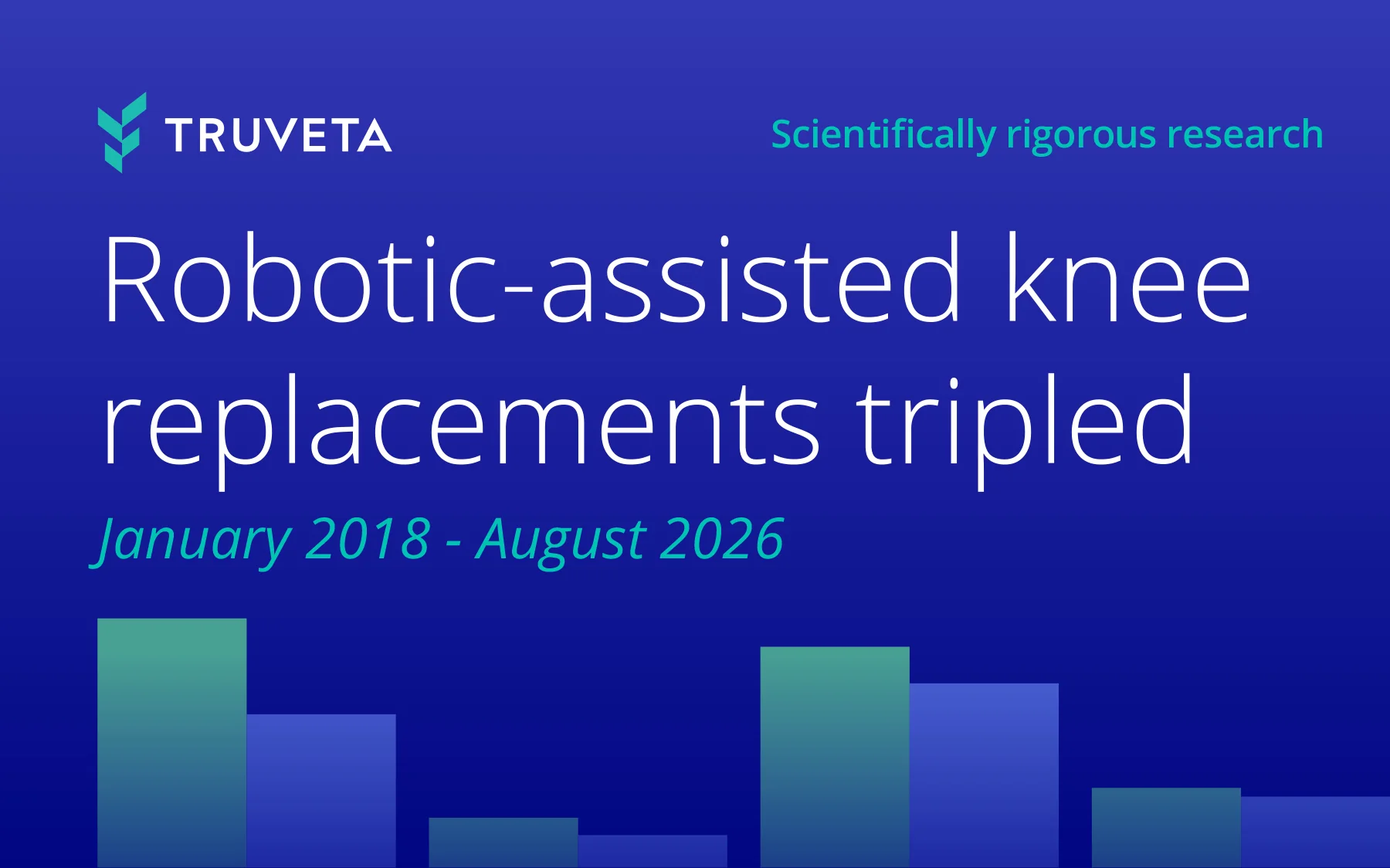
- Use of robotic assistance during total knee arthroplasty (TKA) nearly tripled between 2018 and 2026, increasing from 12.4% of procedures to 36.1%.

- Robotic-assisted TKA procedures had longer operation durations than procedures performed without robotic assistance.

- Robotic-assisted TKA was associated with lower rates of several short- and long-term postoperative complications after adjustment for patient and clinical characteristics.

Total knee arthroplasty (TKA), commonly known as knee replacement surgery, is a procedure used to reduce pain and improve function in patients with advanced knee osteoarthritis (1, 2). By replacing damaged parts of the knee joint with artificial components, TKA can help restore function and improve quality of life when other treatments are no longer effective (1, 3). As populations age, obesity rates remain high, and surgical indications continue to expand, demand for TKA is expected to rise in the coming decades (4, 5).

With the growing volume of knee replacement procedures, surgeons and health systems are increasingly focused on technologies that may improve surgical accuracy, implant longevity, and patient outcomes (2). One such innovation is robotic-assisted surgery, which uses advanced planning software and real-time guidance during surgery to help surgeons perform bone cuts, position implants, and balance the knee with greater precision (6, 7). Although robotic systems have demonstrated improvements in component alignment and surgical accuracy, questions remain regarding whether these technical advantages translate into improved patient outcomes in routine clinical practice (6, 8). Given the higher costs associated with robotic-assisted TKA, it is important to determine whether these technical advantages result in meaningful clinical benefits in real-world practice (8).

Prior studies have documented increasing use of robotic-assisted TKA (9, 10). While robotic systems have consistently demonstrated improvements in implant positioning and alignment, whether these technical advantages lead to meaningful improvements in patient outcomes and long-term implant survivorship remains uncertain (6, 10–12). Existing real-world evidence is limited because many analyses rely on procedure codes to identify robotic-assisted surgeries (9, 10). Consequently, the effectiveness and value of robotic-assisted TKA in routine clinical practice remain important areas of investigation.

Using Truveta Data, we examined trends in robotic-assisted TKA between January 2018 and August 2026. We also evaluated operation duration and postoperative outcomes among patients undergoing robotic-assisted and non-robotic TKA procedures.

Methods

Using a subset of Truveta Data, we identified patients who underwent total knee arthroplasty between January 2018 and August 2026.

Robotic-assisted procedures were identified through procedure add-on codes indicating robotic surgical assistance or documentation of robotic device use during surgery. Those that did not have documentation of robotic assistance through either source were classified as procedures without robotic assistance.

You can also view the full study, including data definitions, directly in Truveta.

Outcomes

Operation duration was measured as the time between anesthesia start and anesthesia stop.

Blood transfusions were assessed within two days of surgery to capture perioperative transfusions related to the index procedure.

Postoperative complications assessed within 90 days included:

- Infection

- Revision surgery

- Venous thromboembolism (VTE)

- Wound dehiscence

- Periprosthetic fracture

Longer-term complications assessed between 90 days and one year after surgery included:

- Pain-related diagnoses

- Revision surgery

- Prosthetic loosening

- Stiff knee

- Wear or osteolysis

Analyses

We examined annual trends in robotic-assisted TKA utilization by calculating the percentage of TKA procedures performed with robotic assistance each year.

Operation duration was summarized using median and interquartile range (IQR) and compared between robotic-assisted and non-robotic procedures.

To ensure outcomes could be reliably captured, analyses were restricted to patients with complete follow-up for the outcome window of interest. For example, analyses of outcomes occurring between 90 days and one year after surgery included only patients who had at least one year of potential follow-up after surgery and a documented healthcare encounter after that follow-up period.

Multivariable logistic regression models were used to evaluate whether postoperative outcomes differed between robotic-assisted and non-robotic procedures. Models adjusted for sex, age, race, ethnicity, rural versus urban residence, obesity, year of surgery, and Elixhauser Comorbidity Index.

When describing results, we use the term significantly only for associations that remained statistically significant after adjustment for patient and clinical characteristics. Outcomes that were not statistically different after adjustment are described as similar or comparable between groups.

Results

A total of 362,667 TKA procedures were included in the analysis. The median patient age was 69 years, 60.1% of patients were female, and 82.2% were White. Most patients lived in urban areas (69.5%), and 74.8% had obesity documented in their medical record. Robotic assistance was used in 24.3% of procedures overall.

Rates of robotic assistance over time

Use of robotic assistance during TKA increased substantially between 2018 and 2026. The proportion of procedures performed with robotic assistance rose from 12.4% in 2018 to 36.1% in 2026, representing a 191% relative increase over the study period.

Identification of robotic-assisted TKA

Robotic-assisted procedures were identified using either procedure codes indicating robotic surgical assistance or documentation of robotic device use during surgery. Overall, 24.3% of TKA procedures were identified as robotic-assisted. Documentation of robotic device use identified 22.2% of procedures as robotic-assisted, compared with 14.3% identified through procedure coding alone.

Operation time

Median operation duration was 126 minutes (IQR 109-149) for procedures without robotic assistance and 136 minutes (IQR 116-160) for robotic-assisted procedures.

Complications after a TKA

Blood transfusions were less common among robotic-assisted procedures than among procedures without robotic assistance.

Within two days of surgery, blood transfusion occurred in approximately 0.2% of robotic-assisted procedures compared with 0.6% of procedures without robotic assistance.

Patients undergoing robotic-assisted TKA experienced lower rates of several postoperative complications within 90 days of surgery. Compared with patients undergoing TKA without robotic assistance, patients undergoing robotic-assisted TKA had lower rates of infection (1.6% vs. 2.5%), revision surgery (0.3% vs. 0.5%), venous thromboembolism (VTE; 1.9% vs. 2.2%), and wound dehiscence (0.7% vs. 0.8%). Although wound dehiscence was significantly less common among robotic-assisted procedures after adjustment, the absolute difference between groups was small.

Several differences in postoperative outcomes remained apparent during follow-up from 90 days to one year after surgery. Compared with procedures without robotic assistance, robotic-assisted procedures had lower rates of revision surgery (0.9% vs. 1.3%), prosthetic loosening (0.2% vs. 0.4%), and wear or osteolysis (0.1% vs. 0.1%). Rates of pain-related diagnoses were similar between groups (24.4% vs. 23.7%). Diagnoses of stiff knee were more common among robotic-assisted procedures (3.5% vs. 3.0%). Despite the low absolute rates, robotic-assisted procedures remained significantly less likely to experience revision surgery, prosthetic loosening, and wear or osteolysis after adjustment for patient and clinical characteristics. Stiff knee diagnoses remained significantly more common among robotic-assisted procedures after adjustment.

Discussion

In this analysis of more than 362,000 total knee arthroplasty procedures, use of robotic assistance nearly tripled between 2018 and 2026, demonstrating rapid adoption of robotic technologies in orthopedic surgery.

We observed that robotic-assisted procedures were associated with longer operative duration but lower rates of several postoperative complications, including blood transfusion, infection, revision surgery, venous thromboembolism, and prosthetic loosening after adjustment for patient and clinical characteristics. Previous studies have similarly reported longer operative times associated with robotic-assisted TKA, reflecting the additional planning, setup, and intraoperative workflow requirements of robotic systems (12, 13).

Our findings are broadly consistent with prior studies of robotic-assisted TKA, which have reported lower rates of several postoperative complications and revision procedures among patients undergoing robotic-assisted surgery (6, 7, 11). Published studies have generally found that robotic assistance improves implant alignment and component positioning, which may contribute to reductions in revision, loosening, and other postoperative complications (6, 7, 11). However, evidence regarding short-term complications remains incomplete. While several large real-world studies have reported lower rates of venous thromboembolism, transfusion, and other perioperative complications following robotic-assisted TKA, findings for infection and other outcomes have been less consistent, highlighting the need for continued evaluation in large, real-world populations (10, 14, 15).

Our estimates of robotic-assisted TKA identified through procedure documentation alone were broadly consistent with previously published estimates of robotic-assisted TKA utilization (9). However, when robotic device documentation was also incorporated, a substantially larger proportion of procedures were identified as robotic-assisted.

Class (B2B/B2C)
B2B
Ingest Status
Rewritten
Dedupe hash
42275e1f6f7057e40bf4a00cbf1b01b9
Press Eligible
Yes
Press Eligible Reason
Manuelle Prüfung nötig. Risiko: MEDIUM. Flags: ['medical', 'numbers']. Stichprobe: False
Source Name
Truveta
Original Summary

New Truveta Research shows robotic-assisted knee replacements increased from 12.4% to 36.1% between 2018 and 2026 and were associated with fewer complications.

Image URL
https://www.truveta.com/wp-content/uploads/2026/09/Robotic-assisted-knee-replacements-on-the-rise-thumb.jpg
Source Node
Content Hash (SHA-256, erste 32 hex)
ca0b2f5bc1ccf5bb3bf42e58eb2d3bc3
Influenza-associated hospitalizations are rising faster early in the 2026–27 season compared to prior seasons
Image File
Original HTML

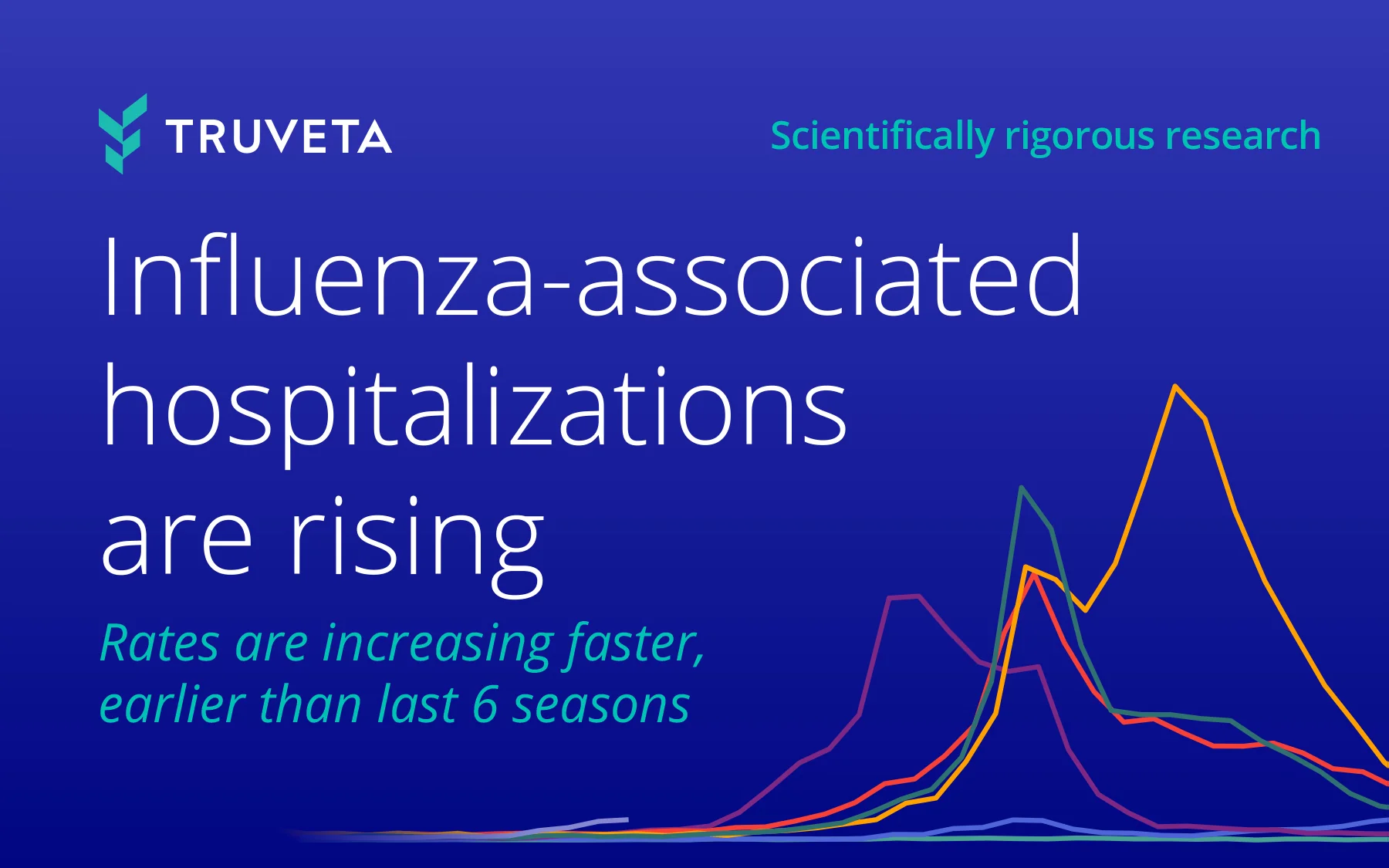
- Influenza-associated hospitalizations are higher in late September 2026 than they were at the same time in the prior six flu seasons.

- During the week beginning September 21, 2026, the rate of influenza-associated hospitalizations was nearly 3-fold higher than the next-highest rate observed at the same point in the prior six seasons, reaching 3.5 hospitalizations per 1,000 hospitalizations.

- Influenza-associated hospitalizations rose rapidly from August 31 through the week beginning September 21, 2026, increasing at a rate more than 2.5 times faster than any of the six prior seasons over the same period.

Influenza, commonly known as the flu, is a contagious respiratory disease that can spread from person to person through respiratory droplets. Symptoms can include fever or chills, cough, sore throat, congestion, body aches, and fatigue (1). Influenza activity typically increases during the fall and winter, but the timing and pace of each flu season can vary (2). While many influenza infections can be mild, some cases progress to severe illness requiring hospitalization (1). Monitoring hospitalization patterns can provide an early view of how influenza activity is changing and place the current season in context with recent years.

Timely real-world data is essential to understand how influenza activity is evolving while the season is underway. Comparing activity at the same point across multiple seasons helps determine whether increases in hospitalizations are consistent with historical patterns or indicative of a more severe season.

In this analysis, we used Truveta Data to compare influenza-associated hospitalizations in early 2026-27 season with those in recent seasons.

Methods

We used a subset of Truveta Data to compare weekly influenza-associated hospitalizations across the 2020–21 through 2026–27 influenza seasons. Hospitalizations were grouped into Monday–Sunday calendar weeks. This study included data through September 26, 2026.

Influenza-associated hospitalizations were defined as hospitalizations in which a patient had a positive influenza laboratory test from 14 days before the hospital admission through discharge, or a positive test directly associated with the hospitalization encounter. Because this definition is based on the timing of a positive influenza test relative to a hospitalization, influenza may not have been the primary reason for the hospitalization.

Influenza-associated hospitalization rates were calculated as the number of influenza-associated hospitalizations per 1,000 hospitalizations. In the United States, influenza activity typically increases during the fall and winter, with October through May (3) highlighted in the figure to provide seasonal context. Because the 2026–27 season is still underway, we compared the latest available weekly observation, the week beginning September 21, 2026, with the corresponding point in each of the six previous seasons.

We also evaluated how quickly influenza-associated hospitalization rates were changing. For each season, we calculated the average weekly change in the hospitalization rate over the prior four-week period. For the 2026–27 season, this period spanned the weeks beginning August 31 through September 21, 2026.

You can view the complete study, including data definitions and code, directly in Truveta.

Results

During the week beginning September 21, 2026, the rate of influenza-associated hospitalizations was 3.5 per 1,000 hospitalizations. This season, the rate of hospitalizations is nearly 3 times as high as the next-highest rate observed at the comparable point in the prior six seasons (1.2 per 1,000 which occurred in 2022–23).

Across the four weeks prior to September 21, 2026, the influenza-associated hospitalization rate increased by an average of 0.7 hospitalizations per 1,000 hospitalizations each week. This was more than 2.5 times as fast as the next-fastest increase observed at the comparable point in the prior six seasons, which was 0.3 per 1,000 hospitalizations per week in 2022–23. Across the prior six seasons, the median weekly change was −0.03 hospitalizations per 1,000 hospitalizations per week, indicating that the rate of hospitalizations were generally stable or declining at this point in the season.

Discussion

In this early comparison of influenza seasons, we found that influenza-associated hospitalizations were higher and rising more rapidly in the 2026–27 season than at the comparable point in the six previous seasons. These findings are consistent with national influenza surveillance data from CDC FluView over the same period. For the week ending September 26, 2026, test positivity, an early indicator of influenza circulation, increased (4). Both these data and the data presented in this report highlight the early stages of an increase in influenza transmission.

Influenza follows a strong seasonal pattern, although the factors that shape the timing and magnitude of influenza activity are complex (5). Staying up to date on annual influenza vaccination remains important for reducing the risk of severe influenza and hospitalization (6,7). Vaccination also helps protect the broader community by reducing influenza transmission, providing additional protection for people who may be particularly vulnerable to severe illness (6,7).

Importantly, early influenza activity does not necessarily predict how the remainder of the season will unfold. The timing, magnitude, and duration of influenza activity can vary from season to season (5). Although influenza-associated hospitalizations are currently higher and increasing faster than at the same point in recent seasons, these findings should not be interpreted as a prediction of the eventual severity or peak of the 2026–27 season. Continued monitoring will be important as the season unfolds.

This analysis has some limitations. Influenza-associated hospitalizations were identified based on a positive influenza test occurring within the specified time window around the hospitalization and may include patients who were hospitalized for reasons other than influenza. In addition, because this analysis focuses on hospitalized patients, these findings should not be interpreted as a measure of influenza infection or illness in the broader population.

These are preliminary research findings and have not been peer reviewed. Truveta Data are continuously updated as new information becomes available. These findings reflect data accessed on October 5, 2026.

Citations

1. Centers for Disease Control and Prevention, “Signs and Symptoms of Flu” (2024); https://www.cdc.gov/flu/signs-symptoms/index.html (accessed 5 October 2026).

2. Li, Y., Reeves, R. M., Wang, X., et al., Lancet Glob. Health 7, e1031–e1045 (2019).

3. Centers for Disease Control and Prevention, “Chapter 6: Influenza,” Manual for the Surveillance of Vaccine-Preventable Diseases (2024).

4. Centers for Disease Control and Prevention, “Weekly US Influenza Surveillance Report: Key Updates for Week 38, ending September 26, 2026,” FluView (2 October 2026).

5. E. Lofgren, N. H. Fefferman, Y. N. Naumov, J. Gorski, E. N. Naumova, J. Virol. 81, 5429–5436 (2007).

6. American Academy of Pediatrics Committee on Infectious Diseases, Pediatrics (2026), doi:10.1542/peds.2026-078778.

7. K. B. O’Reilly, “Flu, COVID-19, RSV immunizations: What to know this respiratory virus season,” American Medical Association (2 October 2026).

Class (B2B/B2C)
B2B
Ingest Status
Rewritten
Dedupe hash
69a1e8931ba0794d4513a957bdb3cac8
Press Eligible
Yes
Press Eligible Reason
Manuelle Prüfung nötig. Risiko: MEDIUM. Flags: ['medical', 'numbers']. Stichprobe: False
Source Name
Truveta
Original Summary

By the end of September, the rate of influenza-associated hospitalizations was nearly 3x higher than the next-highest rate in 6 years of data.

Image URL
https://www.truveta.com/wp-content/uploads/2026/10/Influenza-Analysis-thumbnail.jpg
Source Node
Content Hash (SHA-256, erste 32 hex)
a4edcda4ce00ec0ad58eb00e6704288f