Law Enforcement Leaders Unveil New Traffic Safety Solutions
Image File
Original HTML

Author: Scott Silverii, Ph.D. | National Law Enforcement Initiative Manager, MADD

From November 17–19, 2025, Mothers Against Drunk Driving (MADD) convened the National Law Enforcement Leadership Summit on Impaired Driving in Hurst, Texas. This landmark event brought together 80 traffic safety leaders from 38 jurisdictions—spanning state police agencies, sheriff’s offices, municipal police departments, prosecutors’ offices, and highway safety organizations.

The goal? Deliver a clear-eyed assessment of the barriers facing law enforcement and establish a renewed commitment to reducing impaired driving crashes, injuries, and fatalities across the United States.

Current Challenges in Impaired Driving & DUI Enforcement Summit participants identified several interconnected threats that are actively reducing the effectiveness of DUI enforcement and drunk driving prevention efforts nationwide:

Decline in Proactive Traffic Enforcement: Proactive traffic stops have steadily declined since the COVID-19 pandemic, reducing officer visibility and losing a critical deterrence factor on American roadways.

The Law Enforcement Experience Gap: Severe staffing shortages and accelerated hiring cycles have left modern police departments with newer officers who lack extensive exposure to complex DUI and drug-impaired driving investigations.

Rise in Poly-Substance Impairment: Cases involving drug-impaired driving and multi-substance use are rising. This trend is further complicated by inconsistent toxicology protocols and severe crime laboratory backlogs that delay criminal prosecutions. Heavy Administrative Burdens: A single impaired driving arrest frequently consumes five to six hours of an officer’s shift, tying up critical resources.

The Leadership Takeaway: When extensive enforcement efforts do not consistently lead to successful court convictions, officer motivation suffers. Without clear leadership support and departmental accountability, DUI enforcement risks being deprioritized—despite its critical role in protecting public safety.

Actionable Solutions for Better Roadway Safety The National Summit was built as an active working session rather than a traditional conference. Leaders collaborated on practical solutions, shared successful traffic safety enforcement strategies, and established a framework for localized action.

Following a 60-day follow-up survey conducted as part of MADD’s report to the National Highway Traffic Safety Administration (NHTSA), attending agencies reported immediate implementation of new strategies:

1. Modernizing Sobriety Checkpoints To combat staffing shortages, one agency began testing smaller, more frequent sobriety checkpoints. This tactical shift maintains a high-visibility deterrent in the community while requiring significantly fewer law enforcement personnel.

2. Elevating Community-Led Prevention Another agency expanded its community engagement by launching hyper-targeted social media campaigns. By elevating the raw, firsthand stories of families impacted by impaired driving, they successfully amplified their public safety messaging.

Why Vehicle Safety Technology is the Future of Prevention The escalating operational challenges facing police departments reinforce a vital reality: prevention remains the single most effective strategy to end drunk driving.

Passive impaired driving prevention technology—mandated under the federal HALT Drunk Driving Law (Section 24220 of Public Law 117-158)—represents a generational leap forward in vehicle safety. By integrating advanced sensors that detect driver impairment before a vehicle can be put into drive, this technology intercepts the danger at the source.

When a vehicle stops an impaired driver from ever leaving a parking lot, police officers are spared from responding to a preventable crash scene, families are spared devastating loss, and communities are spared lasting trauma. Every prevented drunk driving death represents a life saved, a family protected, and a tragedy avoided.

Class (B2B/B2C)
B2B
Ingest Status
Rewritten
Dedupe hash
098de39c5b6a3de0b5f9edf03e7c9b25
Press Eligible
Yes
Press Eligible Reason
Manuelle Prüfung nötig. Risiko: MEDIUM. Flags: ['legal']. Stichprobe: False
Source Name
Mothers Against Drunk Driving (MADD)
Original Summary

<p>Author:  Scott Silverii, Ph.D. &#124; National Law Enforcement Initiative Manager, MADD From November 17–19, 2025, Mothers Against Drunk Driving (MADD) convened the National Law Enforcement Leadership Summit on Impaired Driving in Hurst, Texas. This landmark event brought together 80 traffic safety leaders from 38 jurisdictions—spanning <a class="read-more-link" href="https://madd.org/blogs/law-enforcement-leaders-unveil-new-traffic-safet… More</a></p>
<p>The post <a href="https://madd.org/blogs/law-enforcement-leaders-unveil-new-traffic-safet… Enforcement Leaders Unveil New Traffic Safety Solutions</a> appeared first on <a href="https://madd.org">MADD</a>.</p&gt;

Image URL
https://madd.org/wp-content/uploads/2026/06/LE-summit_hero.jpg
Content Hash (SHA-256, erste 32 hex)
d9646814dcd66cc204684f2d31e5b4e7
How to Talk to Your Teen About Alcohol and Cannabis Use
Image File
Original HTML

How to Talk to Your Teen About Alcohol and Cannabis Use

Being a parent is intensely rewarding, but also deeply challenging. Despite a common misconception that as children enter high school their friends become all-important and parental influence weakens. 74% of teens say their parents are the biggest influence on whether they choose to drink alcohol. Further, our research shows that parents ARE motivated to talk with their children and teens, ARE willing to learn new ways to reach out to their teens and DO make a difference when it comes to reducing risky adolescent behavior.

Too many teens die or suffer life-altering consequences from drinking alcohol underage. Studies show that 1 in 3 teens combine alcohol use with other drugs (e.g., cannabis, nicotine and other stimulants) and experience 2 to 3 times more consequences on those occasions. All of these harms and tragedies are 100% preventable.

Fortunately, as a parent—you are a “changer”—you have the POWER to change the way your child thinks about alcohol and other drugs. You can improve your parenting and communication style. You can even change your child’s future.

Start by Asking Permission

Open with respect: “There’s something important on my mind—could we talk for a few minutes?” Choose calm moments and minimize distractions. This shifts the tone from lecture to collaboration and makes it more likely your teen will stay in the conversation.

Use How/What/Why Questions

Open‑ended questions turn you into a thinking coach. Try: “How would you handle an invite where there might be older kids?” “What could you say if someone pushes a drink?” “Why might a choice tonight make next week harder?” When teens generate their own plans, they’re rehearsing for the real thing.

Normalize Pushback—and Lower Defenses

Expect objections: fear of a lecture, worries about punishment, “you don’t trust me,” or “I already know this.” Meet each gently: “You’re right, I’ll listen this time.” “This is about being on the same page, not catching you.” “We won’t decide anything right now.” “Help me understand what it’s like today.” Calm communication keeps the door open for understanding.

Share the Facts That Matter

Underage drinking is illegal and can trigger real consequences—license issues, school or sports trouble, legal costs. Physically, alcohol impairs judgment, coordination, and reaction time from the first drink—and teens absorb it faster than adults. Socially, adolescent drinkers perform worse in school, are more likely to fall behind and have an increased risk of social problems, depression, suicidal thoughts, and violence. Use simple, accurate language tied to your teen’s goals (driving liberties, sports involvement, academic performance, college applications).

Make High‑Quality Agreements

Write down clear expectations: no alcohol before 21; no other substance use; no impaired driving; never ride with someone who has been drinking or using other drugs. Agree on known, proportional consequences in advance like curfew changes, car access, or screen limits, and revisit them periodically. When rules are broken, follow the plan: pause if emotions run high, then enforce calmly when a conversation can be had.

The “Call Me Anytime” Policy

Offering a ride doesn’t mean you allow alcohol or other drug use; it prioritizes safety. Get them home calmly; discuss consequences later as agreed. Teens are far more likely to reach out when they trust you won’t explode on the way home.

Bust Common Assumptions

Parents sometimes think, “My kid isn’t interested,” “Their friends are good kids,” or “School covered this.” Peers change, and health classes can’t personalize every risk. Teens make assumptions too—“nothing bad will happen to me,” or “everyone does it.” Your conversations replace common myths or misunderstandings with clear expectations and plans.

Talk About Binge Drinking

Teens drink differently than adults—less often, but in larger bursts. That multiplies danger: alcohol poisoning, blackouts, and high‑risk decisions. Teach warning signs and exit strategies (“I’m out—early game”). Also debunk the “sober fast” myth: coffee, showers, and food don’t speed the liver. Only time does—and no one should drive or ride with someone impaired while waiting it out.

Close the Loop Tonight

Ask one how/what/why question about the upcoming weekend, update your agreements and consequences, and save the “call me anytime” message in both your phones. You’ve just turned a hard topic into a safety plan.

Talking with your children and teens about alcohol, other drugs, and safety can feel challenging—but it matters more than you think. Power of Parents, a program from Mothers Against Drunk Driving (MADD), equips parents and caregivers with practical tools, conversation starters, and evidence-based guidance to help prevent underage drinking and impaired driving.

Visit madd.org/power-of-parents to explore helpful tips, free resources, and proven strategies to start meaningful conversations that can save lives.

Class (B2B/B2C)
B2C
Ingest Status
Rewritten
Dedupe hash
855ca3b296b4928d1186f3db70c3fefd
Press Eligible
Yes
Press Eligible Reason
Manuelle Prüfung nötig. Risiko: MEDIUM. Flags: ['numbers', 'medical']. Stichprobe: False
Source Name
Mothers Against Drunk Driving (MADD)
Original Summary

<p>How to Talk to Your Teen About Alcohol and Cannabis Use Being a parent is intensely rewarding, but also deeply challenging. Despite a common misconception that as children enter high school their friends become all-important and parental influence weakens. 74% of teens say their parents <a class="read-more-link" href="https://madd.org/blogs/how-to-talk-to-teens-about-alcohol-substance-abu… More</a></p>
<p>The post <a href="https://madd.org/blogs/how-to-talk-to-teens-about-alcohol-substance-abu… to Talk to Your Teen About Alcohol and Cannabis Use</a> appeared first on <a href="https://madd.org">MADD</a>.</p&gt;

Image URL
https://madd.org/wp-content/uploads/2026/06/POP_talk-to-teen-alcohol-substance-use-1.jpg
Content Hash (SHA-256, erste 32 hex)
e174d8a2387373e8fde34dbbb06b259a
Can You Get a DUI on a Horse? All the Ways You Can Get a DUI
Image File
Original HTML

You probably know you can get a DUI in a car. But what about on a horse? A golf cart? A lawn mower? While it might seem absurd, you can actually get one depending on where you reside. From four wheels to four legs and everything in between, DUI laws can apply in more places than you might think. Keeping that in mind, read on to discover all the unconventional ways DUI laws apply.

Table of Contents

- How States Define DUIs Under the Law

- Can You Get a DWI on a Horse?

- Surprising Ways You Can Get a DUI

- Consequences for Driving Under the Influence

- Prevent Impaired Driving Offenses

How States Define DUIs Under the Law

Most states define impaired driving as operating a motor vehicle while impaired by a substance like alcohol, prescription medication, illegal drugs, or a combination of them. However, the true definition of a vehicle varies from state to state.

Some states define a vehicle as any device that can move on a roadway or transport an individual on one. This means that in some jurisdictions, individuals could be charged with a DUI for riding or operating unconventional vehicles.

Can You Get a DUI on a Horse?

It may come as a surprise, but you can get a DUI/DWI on a horse. Whether or not it applies primarily boils down to one question: Does state law classify a horse as a ”vehicle”? Some states charge DUIs for intoxicated horseback riding because they define horses as vehicles. While others don’t classify horses as vehicles for DUI purposes.

States That Charge on a Horse

Several states have laws that make intoxicated horseback riding a DUI offense. Which raises the question: What states can you get a DUI on a horse? States where you can get a DUI on horseback include:

- California: Under California Vehicle Codes, an individual riding an animal on a highway has the same responsibilities as a typical driver. As a result, riding a horse on a public road while intoxicated can actually lead to a DUI charge. In fact, in 2023, the California Highway Patrol arrested a horseback rider for riding while intoxicated.

- Florida: Florida law broadly defines a vehicle as ”any device used to transport or draw an individual or property upon a highway”. Which means intoxicated horseback riding can lead to a DUI. In one famous incident, Polk County Deputies arrested a woman for riding a horse down a highway while intoxicated.

- Kentucky: The Bluegrass State also has a distinct DUI statute for vehicles that aren’t deemed motor vehicles. It has even brought charges against people for drunk horse riding.

There are a surprising number of other states where horse DUI charges might apply, including Alabama, Georgia, Kansas, New Mexico, and Oklahoma. To know for sure if this applies to the state you live in, review your state’s DUI laws.

States That Don’t Charge on a Horse

Not every state sees it the same way. Many states actually exclude horses from DUI laws because they don’t legally define horses as motor vehicles. These states include:

- Arkansas, Michigan, and Minnesota: These states’ laws define motor vehicles as ”self-propelled, motorized” devices. Meaning it excludes anything powered by muscular force, such as a horse.

- Pennsylvania: In Commonwealth v. Bartman, the Pennsylvania Supreme Court ruled that animals don’t meet the legal definition of a ”device” or vehicle for DUI purposes.

Other states that don’t classify horses as vehicles for DUI charges include Louisiana, Montana, North Carolina, Ohio, Texas, Washington, and Wyoming.

While the DUI statutes in these states don’t apply to horseback riding, this doesn’t mean there aren’t consequences. Riders could still face charges, including disorderly conduct, reckless endangerment, public intoxication, or animal cruelty.

Learn the difference between DUI and DWI to understand how your state could treat a potential charge.

Not Just Cars: Other Surprising Ways DUI Laws Can Apply

Horses aren’t the only unexpected way to find yourself facing impaired-driving charges. As we’ve explored, DUIs can occur in unconventional ways, depending on state laws. While it’s always important to check with your local laws, some alternative ways you can get a DUI include:

On a Bike

Biking while intoxicated might seem like a clever way to evade a DUI charge, but it isn’t. In many states, you can get a DUI on a bike, as bikes are legally defined as vehicles.

In other states, such as Michigan and New Jersey, standard DUI regulations don’t apply. Even so, you can still face public intoxication, disorderly conduct, or reckless endangerment charges.

That’s why, even in states where standard DUI laws don’t apply, it’s still advisable to steer clear of biking under the influence to avoid facing criminal charges or endangering others and yourself.

On a Golf Cart

Many people mistakenly believe that DUI laws don’t apply to golf carts because they’re recreational vehicles. However, a golf cart isn’t a legal loophole just because it tops out at neighborhood speeds. Some states, such as Georgia and Arizona, treat golf carts like cars because they’re motorized vehicles. As a result, if you operate one on a highway or neighborhood road while intoxicated, you can get a DUI on a golf cart.

On a Scooter

In many states, you can get a DUI on a scooter because jurisdictions classify motorized scooters as vehicles. For example, under California law, riding a motorized scooter on a highway while impaired can lead to a misdemeanor DUI charge with a maximum fine of $250.

Non-motorized scooters are much less likely to lead to DUIs in most states. But before you bring your scooter on a night out, you should know that riders can still be charged with other offenses, such as public intoxication.

On an ATV

While uncommonly known, driving an ATV on a public road, highway, or even private property can get you a DUI charge. Why? Because ATVs have motors, many states classify them as vehicles, meaning the same consequences apply as if you were driving a car. This applies to most areas across the United States.

On a Riding Lawnmower

Thinking about mowing your lawn while drinking alcohol? You might want to think again. Because a riding lawnmower has a motor and is self-propelled, you can get a DUI charge for operating it while intoxicated. However, courts typically examine whether public safety was at risk when deciding cases involving lawn mowers.

On a Zamboni

It is also possible to get a DUI for operating specialized motorized equipment, such as a Zamboni, while intoxicated. This actually happened in 2015 when a Fargo, ND, Zamboni driver was convicted of a DUI after driving erratically while resurfacing the ice at a high school hockey game. While it may seem ridiculous, even specialized equipment can be dangerous to operate while intoxicated.

On a Boat

You can get a DUI on a boat, as Boating Under the Influence (BUI) or Boating While Intoxicated (BWI) is illegal in all 50 states. In fact, the penalties for operating a boat while intoxicated can be pretty severe because doing so is very dangerous. So if you’re thinking of imbibing while out on the water this summer, make sure to bring along a designated boat operator.

Drunk driving claims thousands of lives annually. Learn more about its impact and how you can help minimize fatalities.

Consequences for Driving Under the Influence

The consequences for driving under the influence range from mild to severe, primarily depending on Blood Alcohol Concentration (BAC) levels and prior criminal history. Aggravating factors like having minors in the vehicle or property damage can also influence the severity of a DUI charge.

While repercussions vary by state, common consequences include:

- Fines

- Driver’s license suspension

- Mandatory education programs

- Probation

- Increased insurance rates

- Possible jail time

Beyond legal consequences, driving or riding under the influence greatly endangers yourself and those around you.

Prevent Impaired Driving Offenses with MADD

DUIs apply to more than just conventional motor vehicles. Whether you’re behind the wheel, holding the reins, steering a boat, or driving a golf cart around the campground, the takeaway is the same: impaired operation puts lives at risk. While many of these situations aren’t common knowledge, understanding DUI laws in your state is one of the simplest ways to keep yourself and others safe.

At MADD, we’ve been raising awareness about impaired driving since 1980 through education and advocacy. And you can help too. Visit our Get Involved page today to learn how you can be a part of the solution and save lives.

Ingest Status
Rejected
Dedupe hash
8c82335cc874a019b6d56a68387669b0
Press Eligible Reason
JSON nicht lesbar - manuelle Pruefung noetig: Inhalt konnte nicht als JSON geparst werden
Source Name
Mothers Against Drunk Driving (MADD)
Original Summary

<p>You probably know you can get a DUI in a car. But what about on a horse? A golf cart? A lawn mower? While it might seem absurd, you can actually get one depending on where you reside. From four wheels to four legs and <a class="read-more-link" href="https://madd.org/blogs/can-you-get-a-dui-on-a-horse/">Read More</a></p>
<p>The post <a href="https://madd.org/blogs/can-you-get-a-dui-on-a-horse/">Can You Get a DUI on a Horse? All the Ways You Can Get a DUI</a> appeared first on <a href="https://madd.org">MADD</a>.</p&gt;

Image URL
https://madd.org/wp-content/uploads/2026/07/horses-and-dui.png
Content Hash (SHA-256, erste 32 hex)
9f7cfe26b55e99b3a362a2bd5a7e0a90
Designated Drivers: Why They Matter and How to Plan Ahead
Image File
Original HTML

People skip the designated driver plan for a variety of reasons: maybe you don’t want to leave your car overnight, are trying to avoid the cost or wait of a rideshare, or maybe you simply don’t feel impaired. Because alcohol affects the same judgment you would use to assess your ability to drive, these decisions can be harder to make accurately in the moment. That’s why it helps to decide on a designated driver before drinking starts, not partway through the night. If your plans involve alcohol, take a few minutes ahead of time to figure out the ride home.

Table of Contents:

- Why Designated Drivers Matter

- How to Find a Designated Driver

- How to Stick to the Plan as a Designated Driver

- Designated Driver FAQs

Why Designated Drivers Matter

Every year, nearly 32 people in the U.S. die in drunk-driving accidents. That’s one death every 44 minutes. Designated drivers, also referred to as DDs, help prevent these impaired-driving accidents, protecting passengers, motorists, pedestrians, and entire communities. The role goes beyond just getting a group home: it removes the need to make a safety decision at a point when judgment may already be impaired.

How to Find a Designated Driver

Abstaining from consuming alcohol at a social gathering can be tough for some, especially if you’re the life of the party and aren’t used to being the sober one. If you aren’t able to take the wheel after a night out, here are effective ways to find a designated driver:

- Select a designated driver beforehand: This is undoubtedly the most cost-effective way to get a DD. If you’re planning a group outing, choose your driver in advance. Select someone who is reliable, has a valid driver’s license, and can avoid the temptation of having a drink.

- Use a ride-sharing app: Services such as Uber and Lyft let you request an on-demand ride to a specific destination using your smartphone. If you decide to use a ride-share service, consider using it to and from your location. Doing so can eliminate the temptation to drive while intoxicated or the hassle of having to get your car later.

- Use a professional designated service: Services such as Jeevz and Dryver can dispatch a professional driver to you. If you want a driver to drive you to your destination in your personal car, they’re a better option than ride-sharing apps.

- Check the National Directory of Designated Driver Services (NDDDS): It’s an invaluable resource for finding drive-me-home providers in your area.

Did your plan for a designated driver fall through? There are other options to get home safely. Learn more about safe rides for impaired drivers.

How to Stick to the Plan as a Designated Driver

Volunteering to be the designated driver is the easy part, but sticking to the plan throughout the night is where it counts. It’s important to take your responsibility seriously and make sure everyone else gets home safely before you call it a night yourself. Here are some tips to help you stay committed:

- Make the decision early: Alcohol affects decision-making. So, select a designated driver before anyone starts drinking alcohol rather than choosing the ”least drunk person” when you want to leave.

- Set firm departure times: Agree on precisely when you’ll leave and when you’ll meet your companions at the end of the night. This will ensure you don’t have to frantically search for them when you’re ready to go home.

- Eat a large meal: Have a satisfying meal in advance, so you aren’t tempted to imbibe.

- Sit strategically: Secure a table or space away from the bar so you aren’t distracted by it or tempted to order an alcoholic drink.

- Order a fun N/A drink: Order a club soda with lime, a mocktail, or a non-alcoholic beer. You’ll blend in with the crowd, still have something to sip on, and won’t feel like you’re missing out on the social experience.

- Stay occupied: Play darts or pool, dance, or socialize with those around you. There’s plenty of fun to be had that has nothing to do with what’s in your glass.

- Have a contingency plan: Things don’t always go according to plan. So, keep the option of using a ride-sharing app open in case you need an alternative form of transportation. Changing plans is always a better option than risking your safety.

H2 Designated Driver FAQs

What is a Designated Driver?

The specific definition of a designated driver can vary, but at a basic level, it is someone who abstains from consuming alcohol or other impairing substances during social gatherings. The primary responsibility of a DD is to remain completely sober to drive others home safely.

If you’re the designated driver, this may just mean ordering a mocktail when your friends order a round. However, in some groups, the DD may also be tasked with watching over others and ensuring everyone gets into the vehicle safely after a social gathering.

What Are the Benefits of Being a Designated Driver?

Volunteering as a designated driver can save lives by preventing drunk-driving accidents, which result in thousands of fatalities annually. Beyond promoting safety, it offers perks like avoiding hangovers, saving money on alternative transportation, and even enjoying free non-alcoholic drinks at establishments with designated driver programs.

Additionally, as the DD, you’ll earn the trust of your friends, family, and colleagues while helping create a safer experience for everyone in your group.

Can a Designated Driver Have One Drink?

Ideally, a designated driver shouldn’t consume any alcohol. While you might feel like you can still drive after one drink, consuming even just one drink can impair your coordination and judgment.

Can a Person With a Permit Be a Designated Driver?

No. If you have a learner’s permit, you can’t act as a designated driver. You must have a completely sober driver with a valid driver’s license who is at least 21 years old in the front passenger seat at all times.

What Should You Do If You Don’t Have a Designated Driver?

If you don’t have a designated driver and you’ve consumed an impairing substance, don’t attempt to drive. Instead, use a ride-sharing service, or a professional designated driver service if you want a driver to get you and your car to your destination safely.

How long does it take to sober up after consuming alcohol? Discover everything you need to know about how long alcohol stays in the system.

Join MADD’s Mission to Prevent Impaired Driving

Drunk-driving crashes claim thousands of lives every year. But they don’t have to. You can be part of the solution. If you’re planning to consume alcohol during a night out, choosing a designated driver in advance is the best, safest solution. If your plan fails, there are alternatives available like requesting a ride using a ride-share app or using a professional driver service to ensure you get to your destination safely. And if you’re the one behind the wheel, remember that your friends are counting on you to get them home, so stay sober, alert, and see the job through.

At MAAD, we’ve been helping to prevent impaired driving since 1980 through advocacy, education, and victim support. Want to join our mission to keep our roads and communities safer? Discover how you can get involved.

Class (B2B/B2C)
B2C
Ingest Status
Rewritten
Dedupe hash
fa8a536a3dad2811f438fdef1bba3249
Press Eligible
Yes
Press Eligible Reason
Consumer safety guidance on choosing and using designated drivers and ride services.
Source Name
Mothers Against Drunk Driving (MADD)
Original Summary

<p>People skip the designated driver plan for a variety of reasons: maybe you don’t want to leave your car overnight, are trying to avoid the cost or wait of a rideshare, or maybe you simply don’t feel impaired. Because alcohol affects the same judgment you <a class="read-more-link" href="https://madd.org/blogs/designated-driver-why-they-matter-how-to-plan">R… More</a></p>
<p>The post <a href="https://madd.org/blogs/designated-driver-why-they-matter-how-to-plan">D… Drivers: Why They Matter and How to Plan Ahead</a> appeared first on <a href="https://madd.org">MADD</a>.</p&gt;

Image URL
https://madd.org/wp-content/uploads/2026/07/Blog-_Desig_Drivers_2026-800w.png
Content Hash (SHA-256, erste 32 hex)
ebd732e028ba8a78c4483020aa8698e7
What Teens Really Face: Peer Pressure, Social Norms & Hidden Risks
Image File
Original HTML

Many teens choose to drink because they assume everyone else is doing it and that it’s an acceptable thing to do. However, studies show that 67% of teens are NOT drinking alcohol.

You can’t completely protect your child from peer pressure, but by teaching your teen to make good choices and by supervising and monitoring their activities, you can help shield your teen from the most dangerous situations.

The Myth of “Everyone’s Doing It”

Perceived norms drive behavior. Many teens overestimate how much their peers drink, creating pressure to match a false standard. Ask curious questions to test assumptions: “What do you think most teens actually do on a typical weekend? Do you think everyone is drinking alcohol?” Talking about your assumptions and comparing it to statistics will help you both better understand reality.

Build Refusal Skills That Work

Talk to your teen about what they could say if they are offered alcohol or other drugs. Using active or passive strategies, they can choose how they would like to communicate about their choice to not drink or use drugs. The can share their position by actively refusing: “No, I don’t do drugs.” Alternatively, they can take a more passive approach without calling attention to their choice. Using a passive refusal, like “I’ve got an early game tomorrow,” “Let’s watch a movie instead,” or a subject change. Practice with real prompts A rehearsed one‑liner plus an exit plan resets the moment.

Confidence Comes from Competence

Boost self‑esteem with specific praise, realistic goals, responsibilities, and real choices. Then add problem‑solving reps: notice a problem, list options, gather pros/cons, decide, and follow through. Role play a hypothetical invitation together. Your questions build the competence that produces calm confidence when it counts.

Choose (and Keep) Safer Friendships

True friends care about safety. If you’re worried about a peer, don’t ban them—that often backfires. Include them in family activities so your values are visible, help your teen broaden their circle through clubs or sports, and reduce time in unsupervised group settings. Know the who/what/where of plans and keep an open “pick‑me‑up, no drama” offer.

Hidden Risks Teens Underestimate

Underage drinking brings legal, academic, athletic, and financial fallout. Physically, alcohol impairs coordination and judgment from the first drink; teens are more susceptible to rapid impairment. Socially, it raises vulnerability in dangerous situations. Developmentally, early drinking correlates with more serious problems later. Tie the stakes to goals your teen cares about.

Binge Drinking and the “Sober Fast” Myth

When a minor binge drinks alcohol, the risks multiply—alcohol poisoning, blackouts, and high‑risk choices. Teach early warning signs and a graceful exit (“I’m bouncing—text me when you’re home”). Debunk shortcuts: coffee, showers, food—none speed up the process of sobriety. Time is the only fix, and nobody should drive or ride impaired

Codify the Plan

Co‑create agreements: no alcohol before 21; no drug use; no impaired driving; and never ride with someone who’s used. Agree on consequences if the rules are broken, and pre‑decide the “call me anytime” policy. Choose a standard pickup spot near common hangouts and practice a one‑tap “come get me” text.

Micro‑Coaching for the Weekend

Before a big night, ask: “How might things get risky? What could you say if they do? Why would the safe option help you hit your goals next week?” One minute now can spare a crisis later.

Talking with your children and teens about alcohol, drugs, and safety can feel challenging—but it matters more than you think. Power of Parents, a program from Mothers Against Drunk Driving (MADD), equips parents and caregivers with practical tools, conversation starters, and evidence-based guidance to help prevent underage drinking and impaired driving.

Visit madd.org/power-of-parents to explore helpful tips, free resources, and proven strategies to start meaningful conversations that can save lives.

Class (B2B/B2C)
B2C
Ingest Status
Rewritten
Dedupe hash
80149f8c1de8c41ae2bca0c4c297e682
Press Eligible
Yes
Press Eligible Reason
Manuelle Prüfung nötig. Risiko: MEDIUM. Flags: ['numbers']. Stichprobe: False
Source Name
Mothers Against Drunk Driving (MADD)
Original Summary

<p>Many teens choose to drink because they assume everyone else is doing it and that it’s an acceptable thing to do. However, studies show that 67% of teens are NOT drinking alcohol. You can’t completely protect your child from peer pressure, but by teaching your <a class="read-more-link" href="https://madd.org/blogs/what-teens-really-face-peer-pressure-social-risk… More</a></p>
<p>The post <a href="https://madd.org/blogs/what-teens-really-face-peer-pressure-social-risk… Teens Really Face: Peer Pressure, Social Norms &#038; Hidden Risks</a> appeared first on <a href="https://madd.org">MADD</a>.</p&gt;

Image URL
https://madd.org/wp-content/uploads/2026/06/POP_teens-peer-pressure-1.jpg
Content Hash (SHA-256, erste 32 hex)
a51368ca3297d2769f4e120e19df69e1
Understanding Today’s Cannabis & Medication Misuse Crisis
Image File
Original HTML

Prior to 1990, the THC content in cannabis was around 2-4%. In 2023, in states where there are stores that legally sell cannabis to the public, the THC content ranges from 25-90%. This means that the THC content between cannabis used in 1990 and today can be over 100 times stronger.

Think of it this way—if the strength of alcohol in beer increased in the same manner, having one beer today would be equal to having over 20 beers in 1990! Because of strong regulation, however, beer potency has changed very little over time, so a beer today raises the same effects as a beer did back then.

Today’s cannabis is not the same drug as what many parents around the age of 40 might have experienced when they were young. The magnified strength in today’s cannabis results in magnified effects.

How THC Affects a Developing Brain

THC alters communication inside the brain and between brain and body, affecting movement and coordination, sensation, judgment, decision‑making, memory, and mood. Frequent use is linked to slower reaction time, learning and memory problems, anxiety and depression, and lung irritation from smoking or vaping. Because brains develop into the mid‑20s, adolescent use can alter pathways responsible for decision‑making, impulse control, and emotional regulation.

Why Teens Use—and Why Some Don’t

Common reasons for use include relaxing, getting “cross‑faded,” countering alcohol’s side effects, coping with stress or social anxiety, and peer pressure.

Reasons to avoid include fear of “greening out,” unpleasant symptoms (paranoia, nausea, racing heart), next‑day fatigue, school performance concerns, responsibilities, and the simple fact that it’s illegal under 21 in every state. Naming both lists helps you design safer alternatives for the outcomes teens seek.

Impairment and the Road

Driving while high is impaired driving. Cannabis affects judgment, attention, and reaction time—skills essential for safe driving. Teach teens to use their senses to assess a potential driver before getting in the car: sight (glassy or bloodshot eyes, unsteady gait), sound (slurred or unusually fast speech), and smell (alcohol or cannabis odors). If something feels off, it probably is. They should never risk riding with an impaired driver—call for help instead.

The Risk of Mixing Substances

On nights when alcohol and cannabis are combined, consequences multiply. Substances don’t cancel each other; they compound. Build this truth into your family rules and help them understand why mixing substances is so dangerous.

Medication Misuse: The Overlooked Threat

Prescription and over‑the‑counter (OTC) medications can be misused to get high, stay awake, lose weight, or “perform.” Misuse raises the risk of dependence, health crises, and impaired driving – especially when combined with other substances. Lock drug cabinets, track quantities, dispose of leftovers, and talk openly about why ‘medicine’ is not safe when misused.

“Did You Use?”—Answering Honestly

If your teen asks about your past, be honest without centering your history. Acknowledge what you’ve learned since then and the research available now. Note that today’s cannabis is much stronger, and pivot the conversation to focus on the now: “If I could go back and do things differently, I would. It’s my job to encourage you to make smart choices and to protect your future.” Credibility matters—and so does the focus on their future.

Turn Knowledge Into a Plan

Re‑establish agreements: no use under 21; no impaired driving; never ride with someone who’s used; call for help anytime—no questions in the moment, consequences later as agreed. Practice the “tap‑out” text and agree on a consistent pickup spot.

Bottom Line

Cannabis potency, polysubstance risks, and medication misuse have raised the stakes—but parents who communicate early and often, set clear rules, and follow through with care still have powerful influence. Your steady, evidence‑based voice can keep your teen safer on the road, at school, and in their own mind.

Talking with teens and young adults about alcohol, drugs, and safety can feel challenging—but it matters more than you think. Power of Parents, a program from Mothers Against Drunk Driving (MADD), equips parents and caregivers with practical tools, conversation starters, and research-based guidance to help prevent underage drinking and impaired driving.

Visit madd.org/power-of-parents to explore helpful tips, free resources, and proven strategies to start meaningful conversations that can save lives.

Batalla A, Bhattacharyya S, Yücel M, et al. (2013). Structural and functional imaging studies in chronic cannabis users: a systematic review of adolescent and adult findings. PloS One. 8(2):e55821. doi:10.1371/journal.pone.0055821.

Mallett, K.A., Turrisi, R., Hultgren, B.A., Sell, N., Reavy, R., & Cleveland, M. (2017). When alcohol is only part of the problem: An event-level analysis of negative consequences related to alcohol and other substance use. Psychology of Addictive Behaviors, 31(3), 307-314. PMCID: PMC5422123.

Class (B2B/B2C)
B2C
Ingest Status
Rewritten
Dedupe hash
ee901e624c05eb757781d77e1d5c55bb
Press Eligible
Yes
Press Eligible Reason
Manuelle Prüfung nötig. Risiko: MEDIUM. Flags: ['numbers', 'medical']. Stichprobe: False
Source Name
Mothers Against Drunk Driving (MADD)
Original Summary

<p>Prior to 1990, the THC content in cannabis was around 2-4%. In 2023, in states where there are stores that legally sell cannabis to the public, the THC content ranges from 25-90%. This means that the THC content between cannabis used in 1990 and today <a class="read-more-link" href="https://madd.org/blogs/understanding-todays-cannabis-medication-misuse-… More</a></p>
<p>The post <a href="https://madd.org/blogs/understanding-todays-cannabis-medication-misuse-… Today’s Cannabis &#038; Medication Misuse Crisis</a> appeared first on <a href="https://madd.org">MADD</a>.</p&gt;

Image URL
https://madd.org/wp-content/uploads/2026/06/POP_cannabis-teen-medication-misuse-1.jpg
Content Hash (SHA-256, erste 32 hex)
4f7aa8f8e6c3e9a5a66d7f4749d8e5a7
The Hidden Costs of a DUI/DWI: The Consequences No One Talks About
Image File
Original HTML

By Steven Benvenisti, Esq., Partner at Davis, Saperstein & Salomon, PC

www.contractforlife.com

When most people think about being charged with a DWI/DUI, they think about fines, court appearances, or perhaps losing their driver’s license for a period of time. Those are certainly consequences, but they are only the beginning.

As a personal injury attorney for more than three decades, I have represented hundreds of innocent victims whose lives were forever changed because someone chose to drive while impaired. I have also lived that reality personally.

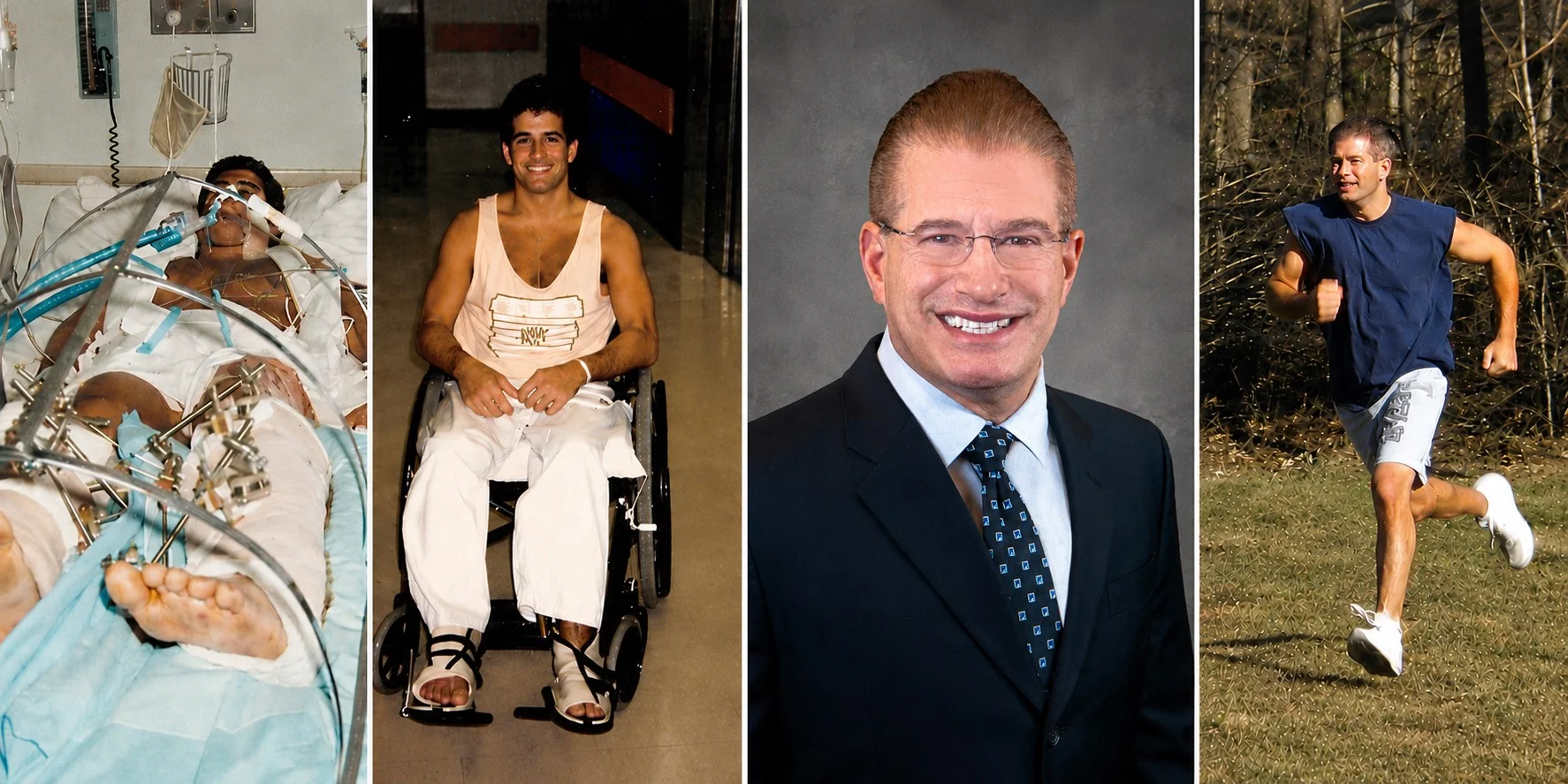
Decades ago, when I was a college student on spring break, I was struck by a drunk driver while walking with my friends. I sustained a severe traumatic brain injury, with my family being asked to consent to my organ donation, was comatose for ten days, suffered multiple orthopedic injuries, required skin grafts, fifteen surgeries, and faced years of rehabilitation. That single decision made by another person changed the course of my life forever.

I was one of the lucky ones because I fully recovered. I could have been among the more than 10,000 people killed by drunk drivers in our country every year, including the 11,904 lives lost in 2024 alone.

Today, I want to discuss something that often gets overlooked: the true cost of drunk and impaired driving.

The Financial Consequences Extend Far Beyond the Fine

Legal Fees and Court Costs

Whether someone hires a private attorney or relies upon appointed counsel, a DUI/DWI frequently results in thousands of dollars in legal expenses. Add filing fees, mandatory assessments, alcohol education programs and other court-imposed costs, and the financial impact grows quickly.

Over the years, I have spoken with many individuals who admitted that what they thought would be “just one bad night” ultimately cost them tens of thousands of dollars. They would give anything to do that night over again because, as far as they are concerned, their lives have been forever changed for the worse.

The Lawsuit Against You

For decades, on behalf of innocent drunk and impaired driving victims, I have pursued civil lawsuits against not only the drivers, but also those who irresponsibly served them. Civil juries have the power to award hundreds of thousands, or even millions, of dollars in monetary damages to compensate victims for medical expenses, lost income, pain and suffering, disability and, in the most tragic cases, wrongful death.

Those damages can far exceed the limits of available insurance coverage. When that happens, an impaired driver’s personal assets, future earnings, savings, investments and other property may be at risk. What often follows is unmanageable debt and even bankruptcy.

From an attorney’s perspective, this is one of the most important realities for people to understand: the criminal case may not be the end of the legal consequences. A single decision can lead to separate proceedings, years of litigation and financial exposure that follows someone long after the initial charge has been resolved.

Insurance, Transportation and Lost Income

A DUI/DWI conviction can continue affecting a person’s finances long after the court case ends. Insurance premiums may increase dramatically for years, and some drivers may be required to purchase significantly more expensive high-risk coverage.

Ignition interlock devices can bring installation charges, monthly monitoring fees, calibration appointments and maintenance costs. Court appearances, license suspensions, mandatory programs, community service and treatment requirements may also require time away from work.

If driving is part of a person’s job, a DUI/DWI can jeopardize that livelihood entirely. Even ordinary responsibilities, such as getting to work, taking children to school or attending medical appointments, may suddenly depend upon relatives, friends, rideshare services or public transportation.

Each expense may appear manageable on its own, but collectively, the financial consequences can reshape a person’s life for years.

The Consequences That Follow You Beyond the Courtroom

In my career, I have seen how a legal case can formally end while its consequences continue. A sentence may be completed, fines may be paid and driving privileges may eventually be restored, but that does not mean life simply returns to what it was before.

Most employers now conduct background checks. A DUI/DWI conviction may affect hiring decisions, promotions, professional licensing, security clearances and positions involving driving or public trust. For young professionals, a single conviction can alter a career path before it has truly begun.

If an impaired driving incident seriously injures or kills another person, the driver may face years in prison and a lifelong felony record. That conviction can make it difficult to find employment, obtain professional licenses, secure housing or rebuild a future long after the sentence has ended.

The effects also reach into families and personal relationships. Trust may be damaged. Marriages can suffer. Parents may lose confidence in an adult child. Friendships can become strained, and children may carry emotional consequences that no court order can repair.

There are also the shame, anxiety, embarrassment and uncertainty that can follow an arrest or conviction. Something as simple as a Google search of your name can forever reveal your arrest or conviction. These are not penalties listed in a statute or imposed by a judge, but they are real consequences nonetheless.

Perhaps the greatest punishment is one no judge can impose: living with the knowledge that your decision permanently changed or ended another person’s life.

The weight of causing a catastrophic injury or taking someone’s mother, father, spouse, child or friend is a burden many people carry for the rest of their lives. No sentence, amount of money or passage of time can erase that guilt.

A Perspective Few People Have

I often tell people that I have experienced impaired driving from both sides of the courtroom.

As a personal injury attorney, I work with medical records, insurance policies, expert testimony, lost-income calculations and evidence documenting the full extent of a person’s injuries and losses. Those details are necessary to pursue accountability, but they can never tell the entire story.

A case file cannot fully capture what it means for a parent to sit beside a hospital bed, waiting to learn whether their child will survive. A calculation of future medical costs cannot communicate the exhaustion of years spent in rehabilitation. A lost-wages report cannot measure the identity and purpose someone may lose when an injury ends a career they loved.

As a survivor, I understand the lifelong physical, emotional and financial consequences victims endure. That perspective has shaped every aspect of my life and career.

When I represent an injured client, I do not simply see medical records or insurance claims. I see frightened families sitting beside hospital beds. I see months, or even years, of rehabilitation. I see careers interrupted or ended. I see dreams delayed or permanently lost.

Every impaired driving crash creates victims. Some die. Some live with permanent disabilities. Others lose spouses, partners, parents, children, siblings or close friends. Families may spend years adapting to wheelchairs, brain injuries, rehabilitation, financial hardship and caregiving responsibilities.

I know this reality firsthand.

My injuries occurred more than three decades ago, yet I still recognize that one person’s decision forever changed my family’s life. My parents and siblings endured unimaginable fear while I fought for survival. My rehabilitation took years, and my future was uncertain.

Although I recovered far beyond what physicians expected, countless other victims never receive that chance. Some never return home. Others never regain their independence. The ripple effects continue for decades.

And every one of those stories began with someone believing they were “okay to drive.”

Accountability matters. Justice matters. But prevention matters even more.

A lawsuit can provide resources for medical care, lost income and future needs. A verdict can acknowledge the severity of what was taken from a victim. A criminal sentence can hold someone responsible. But no lawsuit, jury verdict, criminal sentence or insurance settlement can restore a person’s health, return a loved one to their family or undo the moment that caused the harm.

The legal system can respond to an impaired driving crash. It cannot make that crash unhappen.

The Most Important Decision Comes Before the Crash

Every impaired driving crash is preventable, and today there are more transportation options than ever before.

Call a rideshare. Designate a sober driver. Use public transportation. Stay where you are. Call a friend.

The inconvenience of finding another ride home is insignificant compared to the lifelong consequences that may follow a single drunk or impaired driving decision.

Too many people believe, “It won’t happen to me.” Unfortunately, every person who has caused or suffered an impaired driving crash once believed exactly the same thing.

The true cost of impaired driving is not measured solely in dollars. It is measured in opportunities lost, careers interrupted, relationships strained, families forever changed, empty seats at dinner tables, years spent in hospital rooms and rehabilitation centers, and survivors who must rebuild what someone else’s decision took away.

If this article inspires even one person to hand over their keys, call for a ride or stop a friend from driving while impaired, then everything I have endured will have been 100% worth it. One good decision can save a life.

I know because someone else’s bad decision nearly took mine.

Steven Benvenisti, Esq. is a partner at Davis, Saperstein & Salomon, PC and a Mothers Against Drunk Driving National Ambassador. He can be reached at (201) 907-5000, ext.


Ingest Status
Rejected
Dedupe hash
cdb4a56839269af023f9c204ca26693a
Press Eligible Reason
JSON nicht lesbar - manuelle Pruefung noetig: Inhalt konnte nicht als JSON geparst werden
Source Name
Mothers Against Drunk Driving (MADD)
Original Summary

<p>By Steven Benvenisti, Esq., Partner at Davis, Saperstein &#38; Salomon, PC steven@dsslaw.com www.contractforlife.com When most people think about being charged with a DWI/DUI, they think about fines, court appearances, or perhaps losing their driver’s license for a period of time. Those are certainly consequences, but they are <a class="read-more-link" href="https://madd.org/blogs/the-hidden-costs-of-a-dui-dwi">Read More</a></p>
<p>The post <a href="https://madd.org/blogs/the-hidden-costs-of-a-dui-dwi">The Hidden Costs of a DUI/DWI: The Consequences No One Talks About</a> appeared first on <a href="https://madd.org">MADD</a>.</p&gt;

Image URL
https://madd.org/wp-content/uploads/2026/08/Side-by-side-2026.jpeg
Content Hash (SHA-256, erste 32 hex)
a8fbbc79484a35e06983d1c1e75e9fd7
From Skepticism to Safety: How Technology Could Help End Impaired Driving
Image File
Original HTML

by Bob Nulman, MADD National Ambassador

In 1987, the world lost a bright, engaging 22-year-old young man named Dan Nulman to a drunk and drugged driver, and I lost my son.

Danny, a college senior, was a passenger in a car with four friends on I-95 in Pennsylvania. The impaired driver, a 20-year-old young woman driving the wrong way, going south in the northbound lanes, hit them head-on, killing all five boys and herself, too.

Thirty-nine years later, the pain of losing Danny remains impossible to fully describe. I still feel it every day.

Back then, the landscape of transportation safety and the cultural conversation around drunk driving were vastly different from what they are today. Many of the safety features and laws we now consider foundational were in their infancy, often met with intense skepticism or outright resistance. People debated the necessity of turn signals and seat belt laws, questioned the reliability of airbags and challenged stricter enforcement.

The culture was so different.

It took time, education and tireless advocacy for those unfamiliar innovations to become widely accepted, everyday lifesavers. I know because I did not simply read about that evolution. I lived through it.

I have watched nearly four decades of transportation history unfold since Danny was killed. I have seen technologies once dismissed as unnecessary, intrusive or unreliable become standard features that most drivers would never consider going without. I have watched public attitudes change, laws grow stronger and vehicles become safer in ways that would have seemed almost unimaginable in 1987.

Through all of that progress, one thing has remained painfully unchanged: families are still losing people they love because someone chose to drive impaired.

Today, as I advocate for the future of transportation safety, I hear echoes of that exact same hesitation.

When we discuss the integration of self-driving autonomous vehicles and advanced prevention technologies envisioned under the HALT Drunk Driving Law, the initial public reaction often mirrors the skepticism I heard in the 1980s. Change is daunting, especially when it involves trusting new technology with something as personal as how we travel.

But I have lived long enough to see yesterday’s controversial innovations become today’s unquestioned protections. Having witnessed decades of technological evolution firsthand, I know that what begins as a heavily debated idea can eventually become the very thing that keeps our families whole.

That history does not mean we should embrace every new technology without scrutiny. It means we should evaluate its potential with the understanding that unfamiliar does not mean impossible and new does not mean unnecessary.

As an advocate operating from a strictly technology-neutral perspective, I do not focus on brands or specific proprietary mechanics. I focus on the outcome: a future in which no family is devastated by impaired driving.

Autonomous vehicles have the potential to become the ultimate designated driver. For someone who recognizes that they are not in a condition to drive, an autonomous ride could offer a safe way home without requiring that person to operate the vehicle.

At the same time, the advanced prevention technologies contemplated under the HALT Drunk Driving Law address the other side of the equation. Rather than offering an alternative after someone has become impaired, these technologies are intended to detect or prevent impaired driving before a vehicle can be operated dangerously.

One technology offers another way home. The other could stop an impaired driver before the trip begins. Both represent a profound shift in how we approach road safety: preventing a dangerous decision from becoming a deadly one.

Attending recent safety conferences, walking the demonstration floors and actually riding in technologically advanced vehicles, the contrast between today and 1987 is staggering.

For most people, these demonstrations may represent an exciting glimpse into the future. For me, they carry the full weight of the past.

I remember vehicles before many of today’s basic protections became standard. I remember when people resisted safety measures we now credit with saving countless lives. Most of all, I remember the world as it was when Danny was killed, before any of these emerging technologies were available to intervene.

I often think about the randomness of time and place.

If a self-driving robotaxi had been available to the woman who killed my son…

If her car had been equipped with technology capable of detecting her impairment and preventing her from driving…

Dan might be alive today.

Instead, I carry his picture. Always 22. Always a sad memory.

That is what makes seeing these systems operate in real time so deeply moving. I am watching ideas that would have sounded like science fiction in 1987 transform into tangible tools with the potential to save lives.

It reinforces a profound shift in how we approach road safety. We are no longer limited to reacting to tragedies after they happen. We now have the opportunity to engineer vehicles and transportation systems that intervene before an impaired driving crash can occur.

My work with MADD has always been driven by a singular goal: to ensure that no other parent has to endure the heartbreak of an empty seat at the dinner table.

Having lost Danny nearly four decades ago, it is difficult to express exactly what it feels like to witness this evolution. I have lived through the history of transportation safety while carrying the daily reminder of why that progress matters. I have seen skepticism become acceptance, optional features become standard protections and ideas once considered impossible become part of everyday life.

There is grief for the time before these solutions existed and for the life they might have saved. But overwhelmingly, there is hope for the lives they may still save.

Technology is not just changing how we drive. It is giving us new ways to confront a crisis that has devastated families for more than a century.

We are on the cusp of a future in which impaired driving is prevented not only by individual choices, advocacy and strong laws, but also by innovations capable of stepping in when human judgment fails.

After 39 years of carrying Danny’s memory, I know better than most what is at stake. I have lived through extraordinary advances in technology and transportation safety. I have watched the impossible become ordinary.

Now, I hope to live to see impaired driving become preventable by design.

That is a future worth fighting for.

Class (B2B/B2C)
B2C
Ingest Status
Rewritten
Dedupe hash
a91810159c5b207667faa379b07bfe4e
Press Eligible
Yes
Press Eligible Reason
Discusses autonomous vehicles and impairment-prevention technology as public road-safety solutions.
Source Name
Mothers Against Drunk Driving (MADD)
Original Summary

<p>by Bob Nulman, MADD National Ambassador In 1987, the world lost a bright, engaging 22-year-old young man named Dan Nulman to a drunk and drugged driver, and I lost my son. Danny, a college senior, was a passenger in a car with four friends on <a class="read-more-link" href="https://madd.org/blogs/from-skepticism-to-safety">Read More</a></p>
<p>The post <a href="https://madd.org/blogs/from-skepticism-to-safety">From Skepticism to Safety: How Technology Could Help End Impaired Driving </a> appeared first on <a href="https://madd.org">MADD</a>.</p&gt;

Image URL
https://madd.org/wp-content/uploads/2026/09/98_Original.jpeg
Content Hash (SHA-256, erste 32 hex)
00de141adb16bf940644a1aaf2dde825
How to Sober Up Fast: Common Myths & What Actually Works
Image File
Original HTML

If you’ve been drinking and are searching for how to sober up fast, you’re probably hoping for a quick fix. But the truth is, there isn’t one. Alcohol can affect your judgment well before you reach the 0.08% legal limit used in most states. We’ll cover what doesn’t work, what helps, and how to plan ahead so you can avoid the need to “sober up fast”.

Table of Contents:

- Common Myths About How to Sober Up Fast

- What Actually Helps Your Body Recover After Drinking

- How Long Does It Take to Sober Up?

- How to Avoid a Situation Where You Need to Sober Up Fast

Need to get home soon? Don’t drive after drinking. Find a safe ride home with someone you trust or a rideshare like Uber.

Common Myths About How to Sober Up Fast

There is no reliable shortcut for removing alcohol from your body and sobering up. If you search for the fastest way to sober up, you’ll find plenty of tricks. Some of them might help you feel more alert, but none of them will lower your blood alcohol concentration (BAC) or reverse impairment.

It’s also important to know that feeling more awake doesn’t mean you’re safe to drive. Even if you’re under the legal limit, that doesn’t guarantee your judgment, reaction time, and coordination are where they need to be behind the wheel.

Myth: Drinking Coffee and Energy Drinks

Coffee and energy drinks are some of the most common answers people hear when they ask how to sober up. Since caffeine is a stimulant, it can make you feel less tired for a while, but it doesn’t help your body process alcohol any faster. The real danger is that caffeine can make you feel more capable than you are, which can make it harder to recognize how impaired you still are. Feeling alert and being sober are not the same thing.

Myth: Taking a Cold Shower Will

Taking a cold shower might leave you feeling refreshed and awake, which is why so many people think it helps them sober up. Unfortunately, the effect is only on how you feel, not on the alcohol in your bloodstream. A shower won’t change how sober you are, and it doesn’t reduce your BAC. Stepping out of a cold shower feeling clearheaded should never be treated as a sign that you’re ready to drive.

Myth: Exercising

Some people try to “sweat out” alcohol with a run or a workout. Only a small amount of alcohol leaves the body through sweat, but not enough to sober you up. Your liver does most of the work, and exercise can’t make it work meaningfully faster.

Exercising while drunk can also create new risks. Since impairment affects your balance and coordination, exercising increases the risk of falls and injuries. Plus, sweating can worsen dehydration, and impaired judgment can lead you to push yourself in unsafe ways.

Worried you or someone you know has had too much to drink? Learn the signs of alcohol poisoning and when to call 911.

What Actually Helps Your Body Recover After Drinking

Nothing can make your body metabolize alcohol significantly faster, so there is no true answer to “How do you sober up fast from alcohol?” While the steps below won’t sober you up, they can support hydration, rest, and overall comfort while your body processes alcohol naturally over time.

Give Your Body Time to Process Alcohol

Time is the only thing that truly helps you become sober. Your liver needs to break down the alcohol that’s already in your bloodstream, and that happens at its own pace. There’s no way to rush the process.

As time passes, you may start to feel better, more awake, or less intoxicated. Those feelings can be misleading. So, if you’ve been drinking, the safest choice is to avoid situations that require concentration, like driving.

Feeling better doesn’t necessarily mean alcohol has left your system or that your judgment and reaction time have returned to normal. Regardless of how you feel, you should never drink and drive.

Drink Water and Rehydrate

Alcohol causes your body to lose fluids faster than usual, which can cause dehydration and may lead to symptoms like headaches, dry mouth, and fatigue. Drinking water can help replenish those fluids and support your body as it processes alcohol. While it won’t sober you up, it can make you feel more comfortable as you recover.

Take Time to Rest

Instead of trying to exercise to burn off the alcohol, the best action is to actually take time to rest. Resting gives your body a chance to recover and reduces your chances of falling or getting hurt while you’re still impaired.

Sleep can also help you feel better once you wake up. However, it’s important to know that you can still have alcohol in your system the next morning, so feeling rested doesn’t mean you’re ready to drive.

How Long Does It Take to Sober Up?

There’s no universal answer to how long it takes to sober up. Alcohol affects everyone differently and can even vary from night to night, depending on a few factors. Factors that influence how quickly your body processes alcohol include:

- How much and how quickly you drank

- Whether you ate and how much

- Your age

- Your body size and composition

- Medications you take

Because of all these variables, there’s no reliable countdown you can use to decide when it’s safe to drive. Plus, your BAC can keep rising for a while after your last drink as your body continues absorbing alcohol, so impairment timelines aren’t something you can predict. The best approach is always to avoid driving after drinking.

Learn more about how your body processes alcohol with our article on how long alcohol stays in your system.

How to Avoid a Situation Where You Need to Sober Up Fast

The best way to handle the pressure of sobering up quickly is to never face it in the first place. Planning ahead before your night out means you won’t be scrambling for a way to get sober enough to drive home. Before you start drinking, make a plan that includes these simple steps to help protect you and everyone else on the road:

Eat Beforehand

Eating before or while you drink can slow down how quickly your body absorbs the alcohol. Having food in your stomach may help you avoid the rapid rise in BAC that can happen when you drink on an empty stomach. That said, food doesn’t prevent intoxication, and it doesn’t guarantee your BAC will stay at a safe level. You can still become impaired after a full meal.

Drink Plenty of Water

Drinking a glass of water after each alcoholic beverage can help you stay hydrated throughout the night and prevent feeling hungover from dehydration the next morning. It also helps you slow down the pace of your drinking, since you’re spacing out alcoholic beverages instead of having them back to back.

Know When to Stop Drinking

Try not to rely solely on how you feel to know when to stop drinking. Many people underestimate how impaired they are, especially when they still feel alert. Setting a limit before you start drinking makes it easier to stick to a plan and stop before you’ve had too much. Once alcohol begins affecting your judgment, it’s harder to decide clearly when you’ve had enough.

Plan Your Ride Before You Drink

Decide how you’ll get home safely before you have your first drink of the night. You might choose a designated sober driver, use a rideshare or taxi, or arrange to stay overnight. Having that plan in place removes the temptation to search for ways to “sober up fast” when it’s time to leave.

Planning your ride is one of the most direct ways to prevent impaired driving and keep yourself and others safe. Explore ride options for getting home while you’re impaired, or learn how to plan ahead with a designated driver.

Partner with MADD to Help Prevent Impaired Driving

When it comes to sobering up fast, there is no shortcut. Coffee, cold showers, and exercise might make you feel better, but they don’t change your impairment level. Only time allows your body to process alcohol.

The good news is that getting in a situation where you need to sober up fast is usually preventable. Planning your ride before you drink, pacing yourself, and choosing another way home whenever there’s doubt are all ways you can avoid impaired driving and keep you and others safe.

At MADD, we work to end impaired driving and support victims, survivors, and offenders to help communities build safer roads for everyone. You can be part of that work. Learn more about the impact of drunk driving, explore our educational resources, and get involved by volunteering or sharing your story. People like you help make a difference in our communities.

Class (B2B/B2C)
B2C
Ingest Status
Rewritten
Dedupe hash
3512ca42da01023fa5517fb6336dfbef
Press Eligible
Yes
Press Eligible Reason
Consumer safety information about alcohol impairment and safe transportation.
Source Name
Mothers Against Drunk Driving (MADD)
Original Summary

<p>If you&#8217;ve been drinking and are searching for how to sober up fast, you&#8217;re probably hoping for a quick fix. But the truth is, there isn&#8217;t one. Alcohol can affect your judgment well before you reach the 0.08% legal limit used in most states. We’ll <a class="read-more-link" href="https://madd.org/blogs/how-to-sober-up-fast-common-myths-what-actually-… More</a></p>
<p>The post <a href="https://madd.org/blogs/how-to-sober-up-fast-common-myths-what-actually-… to Sober Up Fast: Common Myths &#038; What Actually Works</a> appeared first on <a href="https://madd.org">MADD</a>.</p&gt;

Image URL
https://madd.org/wp-content/uploads/2026/10/How-to-Sober-Up-Fast-750w.jpg
Content Hash (SHA-256, erste 32 hex)
352f50d88cbbac3a8edcd36a02251012
If you don’t talk to your children about alcohol, who will?
Image File
Original HTML

By Kathy Davidson

Teens and adolescents are learning more from online, social media, and their peers, which shape their perceptions on topics in our society today, from politics to mental health. However, studies show parents still matter the most.

According to the 2022 MADD Parent & Teen Perceptions Survey, 60% of teens say their parents are the biggest influence on their decisions, while friends follow behind at 23%. This shows your voice matters more to your kids than you might realize.

Talking to your children about waiting until age 21 to drink allows you to protect them, especially emphasizing the effects of alcohol on adolescent and developing bodies. When parents remain silent on alcohol education, teens are left to fill in the gaps with incomplete, false, or intentionally persuasive information.

Why does waiting matter so much?

In the US, the average age of first alcohol use is about 15 years old, according to the National Institute on Alcohol Abuse and Alcoholism. And the consequences can be serious – AAA highlights that across the country, 13,135 people have been killed in a crash involving a teen driver between 2019-2023. The CDC reports that the earlier someone begins drinking, the more likely they are to develop alcohol dependence later in life. At the same time, the brain continues developing until around age 25, making it especially vulnerable to the effects of alcohol and other substances.

No parent wants that future for their child.

And the influence doesn’t stop with words—our actions matter too. The American Academy of Pediatrics notes that children as young as 8 are already forming opinions about alcohol, and according to the CDC, teens are more likely to drink if their parents drink frequently. Whether we realize it or not, our children are always watching, listening, and learning.

As parents, we repeat what matters. We remind our children to wear their seatbelts, to look both ways, to drive safely. Not just once, but over and over again, because their safety makes it worth repeating.

So why should conversations about alcohol be any different?

Talking about the risks of underage drinking shouldn’t be a one-time discussion. It should be ongoing, honest, and clear. These conversations don’t have to be perfect, they just have to happen.

Because the truth is, underage drinking isn’t a harmless rite of passage. It’s a risk to their health, their safety, and their future.

Your voice matters. Your example matters. Your consistency matters.

Be the one who tells them the truth. Be the one who equips them with the knowledge and confidence to make safe choices. To learn effective ways to talk with your children about underage drinking, explore MADD’s Power of Parents Handbook. You can also learn more about substance use among minors here.

Start the conversation today.

Based in Texas, Kathy Davidson is a Senior Program Specialist at MADD where she works at the state level to design and implement prevention programs, train facilitators, and support community partners.

Class (B2B/B2C)
B2C
Ingest Status
Rewritten
Dedupe hash
9e68e237f3935c8bc1517c565b6ceca5
Press Eligible
Yes
Press Eligible Reason
Manuelle Prüfung nötig. Risiko: MEDIUM. Flags: ['numbers']. Stichprobe: False
Source Name
Mothers Against Drunk Driving (MADD)
Original Summary

<p>By Kathy Davidson Teens and adolescents are learning more from online, social media, and their peers, which shape their perceptions on topics in our society today, from politics to mental health. However, studies show parents still matter the most. According to the 2022 MADD Parent <a class="read-more-link" href="https://madd.org/blogs/if-you-dont-talk-to-your-children-about-alcohol-… More</a></p>
<p>The post <a href="https://madd.org/blogs/if-you-dont-talk-to-your-children-about-alcohol-… you don’t talk to your children about alcohol, who will?</a> appeared first on <a href="https://madd.org">MADD</a>.</p&gt;

Image URL
https://madd.org/wp-content/uploads/2026/10/talk-to-child-about-alcohol-1.jpg
Content Hash (SHA-256, erste 32 hex)
3fb2c39cbdfb9e6d569c6e3f89778b02