UNLEASH 2026 Hits Record Growth in Paris as AI Triggers Major Investments in Work and HR
Image File
Original HTML

UNLEASH 2026 Hits Record Growth in Paris as AI Triggers Major Investments in Work and HR

Google Cloud, ServiceNow, and Personio anchor a record ten headline sponsors for the flagship HR tech summit ahead of its massive 2027 venue expansion.

LONDON, Oct. 14, 2026 /PRNewswire/ -- UNLEASH, the world's number one marketplace for Future of Work, HR and technology, will host an unprecedented 8,500 global leaders from 140 countries at the Paris Convention Centre on 20–22 October.

Google Cloud completes the headline line-up alongside Docebo, Eightfold, Personio, Phenom, Radancy, SAP SuccessFactors, ServiceNow, Workday and Workhuman. ServiceNow and Personio are among the new headliners making major investments in their UNLEASH partnerships.

The milestone edition comes ahead of UNLEASH's graduation to Pavilion 1 at Paris Expo Porte de Versailles in October 2027. The venue's largest hall will become the new home of the Paris flagship.

"In 2012, we were first to bring a live demo of IBM Watson to our stage because we knew AI would change the future of work," said Marc Coleman, Founder and CEO of UNLEASH. "Today, the stakes are much higher. The question is no longer if AI matters, but which technologies deserve capital, how work design must change, and how leaders turn algorithms into tangible business value. The extraordinary commitment from our ten headline partners proves that UNLEASH is where those high-stakes decisions are made."

Better business decisions about people and AI

Across the programme, the central question is how leaders make better business decisions about people, AI and the organisation they need to build. Turning technological capability into business value depends on investment choices, work design, human judgement and leadership alignment.

L'Oréal CEO Nicolas Hieronimus and CHRO Jean-Claude Le Grand take the stage together. For leadership teams, these sessions connect workforce decisions with finance, technology and business transformation.

"The organisations that outperform in an AI-driven world won't necessarily have the best technology, they'll make better decisions, faster," writes neuroscientist Anne-Laure Le Cunff in her session abstract.

Partnerships taking Paris beyond the show floor

Workhuman Forum returns by popular demand on 20 October. UNLEASH thanks Eric Mosley and the Workhuman team for everything they bring to the partnership. Strategic partner The Josh Bersin Company brings nearly its entire leadership team to Paris, with Bersin's exclusive 22 October morning keynote setting out what comes next and where HR should place its bets through 2030.

Explorer badge holders can enjoy UNLEASH's programmed expeditions and dinners at Paris headquarters of leading employers including Thales, Schneider Electric, L'Oréal and AXA.

UNLEASH 100 brings industry leaders together

The invitation-only gathering of CEOs, founders and presidents from leading and breakthrough vendors focuses on two conversations: The SaaS Apocalypse: Who has actually been replaced? and Build Buy Partner. Thomas Otter and Josh Bersin join the respective discussions on the choices leadership teams face through 2030.

Following SAP's 6 October announcement of its agreement to acquire TechWolf, SAP leaders and TechWolf Co-Founder and CEO Andreas De Neve will join UNLEASH 100, bringing an immediate perspective on the deals and partnerships reshaping the industry.

Five startups competing on the global stage

New emcee Audrey Handem will lead the UNLEASH Startup Award, supported by Playroll, on 21 October. Finalists Mendo, Pack, Cascade AI, MuchSkills and Coachello will pitch to judges including Drake Star Managing Partner Ralf Philipp Hofmann, board adviser and investor Amanda Nolen, and investors from Brighteye Ventures and Clover VC.

Next stop Miami with eight headline sponsors

UNLEASH 2027 launches at Miami Beach Convention Centre on 13-15 April, following more than two years of planning. The move opens significant East Coast and Midwest opportunities to serve UNLEASH's core Fortune 500 audience with a new, more practical experience.

The United States has always been the ultimate proving ground for bold ideas and we are accelerating into that future at hyper-velocity. A record eight market leaders have already signed on to anchor our expansion and redefine what is possible in the American market: Achievers, Alex AI, Checkr, Ema, Deloitte, Eightfold, Greenhouse, and SAP. This massive surge of early momentum instantly positions our upcoming Miami event to match the scale, prestige, and global impact of our Paris flagship.

Early speakers include Amy Webb, Sol Rashidi, Peter Hinssen, alongside Lorraine Stomski (Walmart), Nathalie D'Hers (Microsoft), Bei Ling (Wells Fargo), Ryan Craig (Elevance Health), Jacqueline Arthur (Goldman Sachs), Adam Holton (GE HealthCare), Jennifer Galbraith (Mastercard) and Caroline Heller (BlackRock).

Registration, programme information and media accreditation enquiries: www.unleash.ai

About UNLEASH

UNLEASH is WHERE THE HR WORLD MEETS. Its events and media connect senior HR and business leaders with the evidence, peers and partners to make better decisions about the future of work.

Media contact: Tilly Wren, Email: [email protected]

Share this article

Class (B2B/B2C)
B2B
Ingest Status
Rewritten
Dedupe hash
prn_302907643
Press Eligible
Yes
Press Eligible Reason
HR technology summit and industry partnerships, investments, and startup news for business leaders.
Source Name
Unknown Company
Original Summary

<p>Google Cloud, ServiceNow, and Personio anchor a record ten headline sponsors for the flagship HR tech summit ahead of its massive 2027 venue expansion. LONDON, Oct. 14, 2026 /PRNewswire/ -- UNLEASH, the world's number one marketplace for Future of Work, HR and technology, will host an...</p>

Image URL
https://mmx.prnewswire.com/media/MS1648229/UNLEASH-Logo.jpg?id=OA3016624&p=facebook
Content Hash (SHA-256, erste 32 hex)
ca5ef8338dc67dcf828c830aaeb0fda6
Introducing Chainguard Checks: Reinventing Continuous Integration for the Agentic Era
Image File
Original HTML

New approach to software development moves verification into the development loop, giving developers and AI agents trusted results in seconds, before code ever reaches a pull request

SEATTLE, Oct. 14, 2026 /PRNewswire/ -- Chainguard, the trusted source for open source, today announced Chainguard Checks, a new continuous verification engine optimized to bring continuous integration (CI) into agentic development loops, establishing trust as software is being written, rather than after it's been submitted. By transforming CI into something that can be used as a tool call that runs identically everywhere, Chainguard Checks gives developers and AI agents signed, trusted verification of their code in seconds, eliminating CI bottlenecks, slashing compute costs, and preventing supply chain risks before code ever reaches a pull request.

Waiting on CI is the new cost of AI development

AI agents are writing more code than ever, and CI has become the bottleneck. CI was built for developers who push code a few times a day. Agents iterate constantly, so every change lands in the same queue, and the faster they write code, the longer the queue gets. By the time results come back, the agent has lost the context it was working in, and teams are paying for the same setup work over and over. The root problem is where CI sits: outside the development loop, after the work is done. Security adds another layer of complexity. Runners typically combine long-lived secrets with untrusted code, so a single prompt-injected agent or malicious install script can steal static keys straight from memory. Chainguard Checks removes this friction while making CI more secure.

"Agents shouldn't just write code faster. They should be able to prove it works," said Dan Lorenc, CEO and Co-founder, Chainguard. "We built Checks because our own engineers work alongside thousands of AI agents, and traditional CI was the slowest and least secure part of how we build. Now verification happens while the agent is still working, and every passing run comes with signed proof that travels with the code."

Verification that happens where the work happens

Paired with the newly launched Chainguard Workspaces, an agent session suspends during check execution to halt compute consumption, then resumes in seconds with structured failure logs injected directly into its context to iterate until tests pass. Every passing run generates a signed attestation that travels with the code. Downstream merge gates can then verify attestation and merge the code immediately, without re-running the CI test suite, eliminating CI bottlenecks and saving compute spend.

Chainguard Checks includes:

- Warm snapshots: Every CI run starts from a warm snapshot with dependencies already installed. Snapshots are rebuilt whenever the lockfile changes, so the setup cost is paid once in the background instead of on every commit.

- Chainguard hardened, microVM execution environments: Each workflow step runs in its own hardware-isolated microVM environment built from zero-CVE Chainguard OS Packages, including FIPS-compliant toolchains, so untrusted code can't reach other workloads.

- No credentials to steal: Runners hold no long-lived credentials. A host-side proxy adds short-lived credentials to outbound requests in flight, and tools that need a credential on disk get an encrypted, short-lived stand-in.

- Network access by approval only: Declarative egress policies block connections to unapproved endpoints and can be configured to automatically deny requests or destroy the microVM to prevent data exfiltration and unauthorized network access.

- Signed attestations: Every run produces a signed attestation tying together the environment, test result, and commit.

- Merge without re-running: Merge gates can verify the passing attestation and merge without running tests again, eliminating queue time and redundant compute spend.

"Banks, fintechs, and corporates across Australia rely on Cuscal to move money safely. As we expand our digital payments infrastructure, giving engineers fast, secure workflows for AI adoption is a top priority. For CI, agents are exposing the flaws in traditional systems, from broken security models that give runners ambient access to secrets to inefficiencies like cold setups and delayed post-commit validation. We're excited to work hand-in-hand with Chainguard as an early design partner to shape the future of software development end-to-end," said Brad McCoy, Senior Manager, Cloud Platforms, Cuscal.

"Existing CI pipeline platforms and tools are struggling under the massive increase in load generated by agentic software development, leading to downtime, lost developer productivity, and unshipped code," James Governor, Analyst and Co-founder, RedMonk. "Chainguard Checks is designed to enable true shift left security and assurance, while also preventing CI from being a bottleneck."

Chainguard Checks is available now in Beta. For more information, visit chainguard.dev/checks.

About Chainguard

Chainguard is the trusted source for open source. By providing engineers and AI agents with hardened, trusted, and production-ready artifacts, Chainguard helps organizations prevent AI supply chain attacks, increase engineering velocity while reducing toil, and maintain continuous compliance. Customers include Fortune 500 enterprises and global industry leaders, including Anduril, Canva, DocuSign, OpenAI, Public Storage, Snap Inc., and Snowflake. Chainguard is venture-backed by leading investors, including Amplify, IVP, Kleiner Perkins, Lightspeed Venture Partners, Mantis VC, Redpoint Ventures, Sequoia Capital, and Spark Capital. For more information, visit: https://www.chainguard.dev/ 

Brittany Hendrickson, [email protected]

SOURCE Chainguard

Share this article

Class (B2B/B2C)
B2B
Ingest Status
Rewritten
Dedupe hash
prn_302907718
Press Eligible
Yes
Press Eligible Reason
Chainguard announced a new enterprise continuous verification product for software development.
Source Name
Introducing Chainguard Checks
Original Summary

<p>New approach to software development moves verification into the development loop, giving developers and AI agents trusted results in seconds, before code ever reaches a pull request SEATTLE, Oct. 14, 2026 /PRNewswire/ -- Chainguard, the trusted source for open source, today announced...</p>

Image URL
https://mmx.prnewswire.com/media/MS684620/Chainguard-Logo.jpg?id=OA3017475&p=facebook
Content Hash (SHA-256, erste 32 hex)
24e6c5fd280cb9da261fa1ef7721ce49
One monitor for all gamer's needs. AGON provides a tailored experience with triple refresh rate CQ32G4Z
Image File
Original HTML

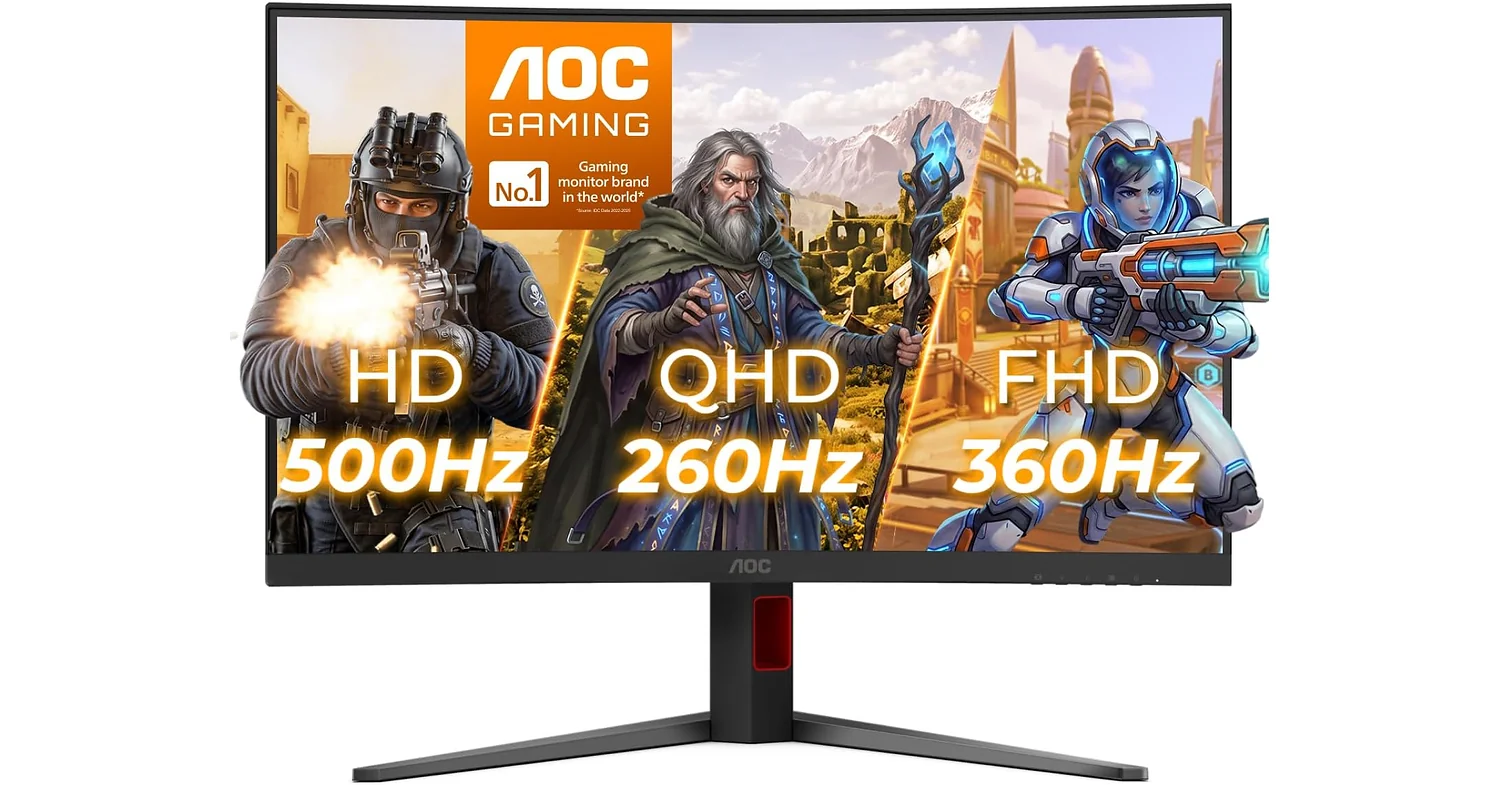
One monitor for all gamer's needs. AGON provides a tailored experience with triple refresh rate CQ32G4Z

Creating a solution for gamers that need a premium quality 32" for all their entertainment experiences, from immersive high-res visuals to the fastest of motion, triple refresh rate technology in one monitor is here with the CQ32G4Z

LOS ANGELES, Oct. 14, 2026 /PRNewswire/ -- Today's technology choices are complex and overwhelming with options. The essential component next to the PC itself, the screen, is no exception.

AOC Monitor is cutting through the noise with a premium monitor with features and price point that will make this a much simpler proposition for all gamers. The CQ32G4Z is unique, with its Triple Refresh rate technology.

As a large monitor experience at 32", this is a premium monitor providing answers to gamer's needs while retaining an accessible price point, taking the monitor market in a positive direction.

About Triple Refresh rate

The key difference of the CQ32G4Z allows gamers to play a variety of games while tailoring the monitor performance.

- QHD at 260Hz: with a 32" screen, gamers can really immerse themselves with high-rez visuals and a fast refresh rate

- FHD at 360Hz: gamers can enjoy ultra-smooth gameplay at competition-level speed

- HD at 500Hz: fast-action types of popular games will benefit from this mode due to the gamer's need for extremely fast motion, aiming, camera movement, and rapid mouse flicks

Paired with HDR 400, AMD FreeSync Premium and NVIDIA G-SYNC® compatibility, the screen resolution and higher Hz frame rate, delivers ultrawide immersion and competitive level responsiveness. This makes it extremely compelling for gamers whether they are playing competitive FPS or AAA games.

One monitor for all gamer needs.

Availability - OUT NOW!

Amazon: https://www.amazon.com/dp/B0HF1H4L6R

Price: $229.99 USD.

ASSETS

- PR materials found here

- Includes this release, Spec Sheet, and high res screenshots

About AOC

Founded in 1967, AOC is a globally leading monitor and IT accessories brand and a subsidiary of TPV Technology Limited, one of the world's largest display manufacturers. AOC delivers innovative, ergonomic and environmentally conscious solutions for professional and personal applications.

AGON, AOC's gaming sub-brand, offers high-performance gaming monitors and accessories for core gamers, competitive players and esports professionals.

SOURCE AGON by AOC

Share this article

Class (B2B/B2C)
B2C
Ingest Status
Rewritten
Dedupe hash
prn_302908043
Press Eligible
Yes
Press Eligible Reason
Gaming monitor product launch with specifications, availability, and pricing for consumers.
Source Name
Unknown Company
Original Summary

<p>Creating a solution for gamers that need a premium quality 32" for all their entertainment experiences, from immersive high-res visuals to the fastest of motion, triple refresh rate technology in one monitor is here with the CQ32G4Z LOS ANGELES, Oct. 14, 2026 /PRNewswire/ -- Today's...</p>

Image URL
https://mmx.prnewswire.com/media/MS2012957/20261013224458EDT_image_1.jpg?id=OA3017759&p=facebook
Content Hash (SHA-256, erste 32 hex)
bf013fbaa232a39385be12ca84d67931
MindMaze Therapeutics Reports New Home-Based Rehabilitation Results Ahead of MindMotion Lite Launch
Original HTML

MindMaze Therapeutics Reports New Home-Based Rehabilitation Results Ahead of MindMotion Lite Launch

Multi-site program demonstrates threefold increase in rehabilitation training dose, with 84% delivered independently and significant improvements across functional measures

GENEVA, Oct. 14, 2026 /PRNewswire/ -- MindMaze Therapeutics (SIX: MMTX), a global leader in scalable precision neurotherapeutics, today announced new real-world evidence from a multi-site program conducted with Vibra Healthcare, presented yesterday at the American Congress of Rehabilitation Medicine (ACRM) in Washington, DC.

The program demonstrated that home-based rehabilitation using MindMotion increased total motor-training dose by a median factor of three compared with usual outpatient therapy alone. 84% of active training was completed independently, without direct therapist supervision. Participants also showed statistically significant improvements in functional independence, balance, mobility and cognition, alongside high patient satisfaction.

Building on previously reported inpatient results with Vibra Healthcare, the findings further support MindMaze Therapeutics' strategy to extend high-dose, high-intensity neurorehabilitation into patients' homes. This is particularly relevant to the Company's upcoming launch of MindMotion Lite, expected by year-end 2026. Recently announced, the tablet-based solution is designed to deliver the full range of MindMotion GO neurotherapeutic activities with substantially reduced hardware requirements, simplifying home deployment and supporting broader adoption by healthcare providers.

"Earlier this year, we showed that MindMaze's high-dose, high-intensity therapy, integrated into inpatient rehabilitation, delivers superior functional outcomes in a resource-efficient way," said Zach Henderson, CEO of MindMaze Therapeutics. "Now, we are demonstrating that this value can extend into the home to address a well-recognized gap in care once patients leave the clinic, in line with the 2026 AHA/ASA Guideline for Adult Stroke Rehabilitation and Recovery. These results, combined with our upcoming MindMotion Lite tablet-based solution, will help make high-quality neurotherapeutics more accessible. Together, these milestones bring us closer to our mission of making neurotherapeutics available at scale."

Study Design and Results

The retrospective, multi-site quality improvement program evaluated 177 rehabilitation episodes involving 172 adults with a range of neurological conditions, primarily stroke, across four Vibra Healthcare outpatient sites, without a control group. Participants followed an eight-week home-training program using MindMotion GO, with an optional four-week extension and periodic therapist supervision.

Key findings included:

- Training dose: Patients completed an average of 174 minutes of active training per week, with 84.4% delivered asynchronously. The additional home training increased total motor-training dose by a median factor of 3.0 compared with usual outpatient therapy alone, based on published assumptions for active practice during usual care.

- Feasibility and engagement: 92.7% successfully completed home setup, while 80.2% achieved the predefined minimum training exposure. Among surveyed participants, 83.8% of satisfaction ratings were positive.

- Functional outcomes: Statistically significant pre–post improvements were observed in independence (Barthel Index: +10.4 points), balance (Berg Balance Scale: +10.5 points), cognition (SLUMS: +3.4 points) and mobility (Timed Up and Go: −8.8 seconds) among participants with available paired assessments.

The full poster, High-Dose, Home-Based Neurorehabilitation Using Gamified Technology: A Multi-Site Quality Improvement Program, is available at mindmazetherapeutics.com/mindmaze-platform/clinical-evidence.

About MindMaze Therapeutics

MindMaze Therapeutics (SIX: MMTX) is a global leader in scalable, precision neurotherapeutics, dedicated to redefining the recovery trajectory for patients around the world. By integrating advanced software, proprietary sensors, and AI-driven data analytics, MindMaze Therapeutics provides a seamless continuum of care from the acute hospital phase to outpatient treatment to home-based therapy. The company's FDA-listed and CE-marked products are designed to address the systemic shortage of specialized clinicians, offering scalable, reimbursable solutions for stroke, Parkinson's disease, and other neurological disorders. With an extensive library of rigorous clinical validation, MindMaze Therapeutics is operationalizing the future of neurorestorative medicine. For more information, visit www.mindmazetherapeutics.com.

Media & Investor Contacts

Jeremy Meinen, Chief Financial Officer

[email protected] 

DISCLAIMER

This press release contains forward-looking statements, which may be identified by words such as "believe," "assume," "expect," "intend," "may," "could," "will," or similar expressions. These statements are based on current plans and assumptions and are subject to risks and uncertainties that could cause actual results, financial condition, performance, or achievements to differ materially from those expressed or implied. This communication is provided as of the date hereof, and MindMaze Therapeutics undertakes no obligation to update any forward-looking statements contained herein as a result of new information, future events or otherwise.

Additional features:

File:

Press release_MindMaze_Home-Based Rehabilitation Results

SOURCE MindMaze Therapeutics Holding SA

Share this article

Class (B2B/B2C)
B2B
Ingest Status
Rewritten
Dedupe hash
prn_302908052
Press Eligible
Yes
Press Eligible Reason
Healthcare technology company reports rehabilitation study results and an upcoming product launch.
Source Name
Unknown Company
Original Summary

<p>Multi-site program demonstrates threefold increase in rehabilitation training dose, with 84% delivered independently and significant improvements across functional measures GENEVA, Oct. 14, 2026 /PRNewswire/ -- MindMaze Therapeutics (SIX: MMTX), a global leader in scalable precision...</p>

Image URL
https://nwr.eqs-cockpit.com/fncls2.ssx?application_id=2400554&application_name=news&site_id=airport_aws~~~7cc68db1-74de-43c8-af69-2ae0a97efdc3
Content Hash (SHA-256, erste 32 hex)
9b1e89fdbf989d543d18cdb51fb082fd
From Hospital AI to Home Monitoring: Taiwan's Health-Tech Sector Tests Its U.S. Market Fit in Dallas
Image File
Original HTML

From Hospital AI to Home Monitoring: Taiwan's Health-Tech Sector Tests Its U.S. Market Fit in Dallas

DALLAS, Oct. 13, 2026 /PRNewswire/ -- Taiwan's healthcare technology sector has no shortage of devices, AI models or clinical data. The harder question is what happens when those technologies leave Taiwan: whether they can validate across different patient populations, clear U.S. regulatory requirements, fit American clinical workflows and find partners capable of deploying and servicing them locally.

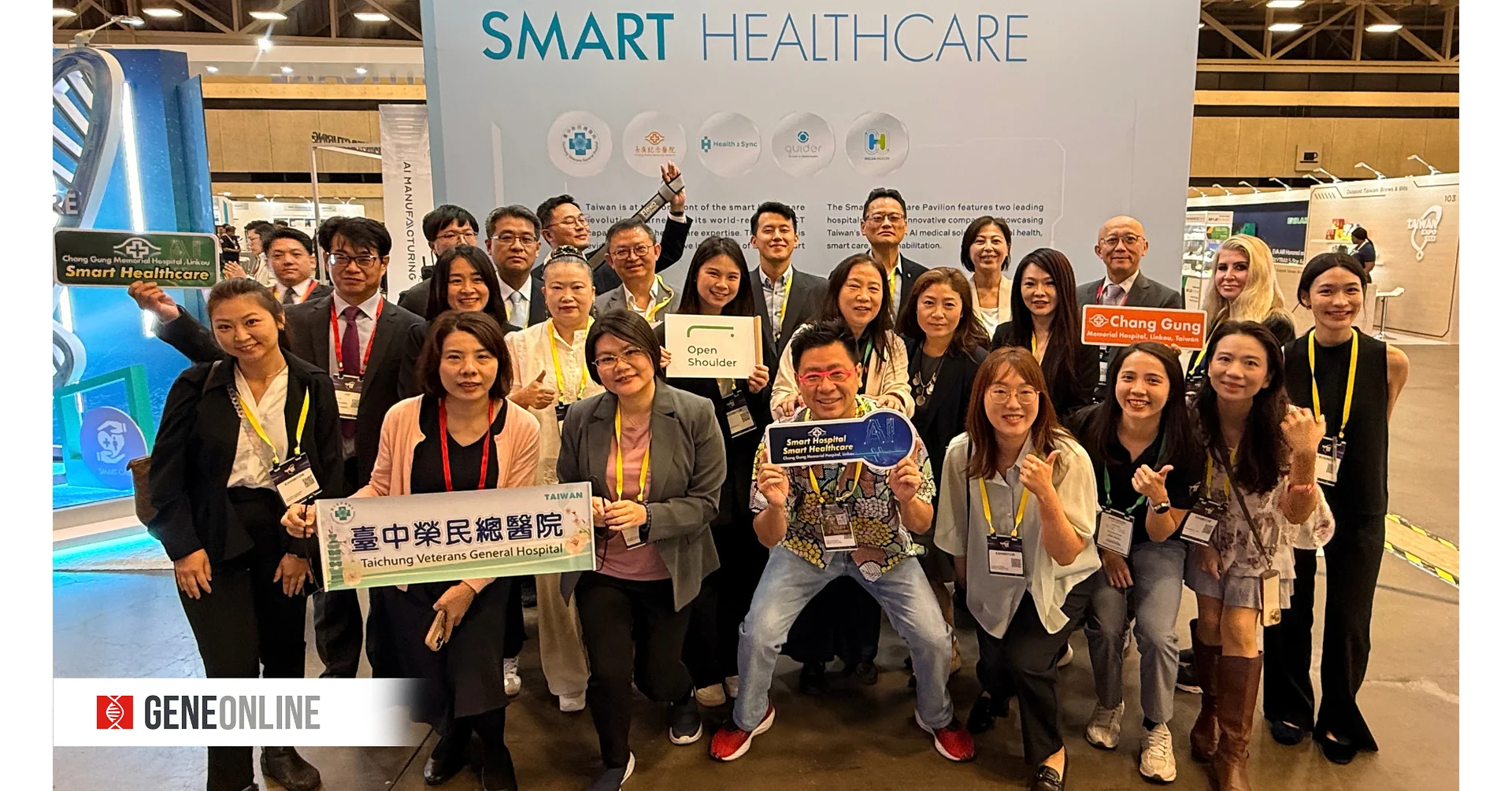
That challenge was at the center of the Smart Healthcare Pavilion at Taiwan Expo USA 2026, organized by the International Trade Administration (TITA), Ministry of Economic Affairs (MOEA), and implemented by the Taiwan External Trade Development Council (TAITRA) as reported live on-site by GeneOnline. The Expo was held September 24–26 at the Kay Bailey Hutchison Convention Center Dallas.

Ten Taiwanese hospitals and health-tech companies brought technologies spanning chronic-disease management, hospital AI, remote monitoring, elder care, medical computing and rehabilitation, but they arrived at markedly different stages of U.S. expansion. Some were looking for their first American clinical or commercial partners; others already had FDA-cleared or listed products, U.S. customers, pilots or operations on the ground.

TAITRA Chairman James C. F. Huang placed that effort within the Expo's wider push toward U.S.–Taiwan industrial collaboration. "Texas stands as Taiwan's premier U.S. investment hub, and Dallas is where we lay deep, shared foundations," Huang said at the opening. "This is co-innovation in action."

For healthcare, that co-innovation has practical requirements. A Taiwanese AI model may need American clinical data; a monitoring device may need FDA clearance; a care platform may require local installation and service; and even an established product still has to solve a problem important enough for hospitals to change existing workflows. The ten exhibitors in Dallas offered a cross-section of how Taiwan's health-tech sector is approaching those barriers — and how its traditional strengths in hardware and manufacturing are increasingly being combined with software, clinical data and technologies developed inside hospitals.

Health Technology: Turning the Months Between Doctor Visits Into Usable Data

For H2 Inc., also known as Health2Sync, the problem begins between appointments. Patients with diabetes and other chronic conditions can generate months of glucose, blood-pressure, weight, diet and exercise data while physicians may have only minutes to assess their condition during a visit. "Most people with chronic diseases go back and see doctors once every two to three months," said Erin Chung, Vice President of Business Development at Health2Sync.

The company's platform combines a patient application with a cloud-based system for healthcare providers, aggregating information from connected devices while using AI to interpret some of the behavioral data generated at home. Its meal-analysis function, for example, can analyze food photographs and help users connect dietary choices with changes in glucose. The aim is not to replace the physician visit but to make the period between visits more visible, giving patients information they can act on while providing clinicians with a more organized longitudinal picture.

Health2Sync remains relatively early in its U.S. expansion and used Dallas to explore relationships with primary-care providers, clinics, accountable care organizations, software platforms and payers. Its experience in Taiwan is central to that proposition. "When it comes to technology, Taiwan is always known for hardware," Chung said. "But when we talk about the healthcare industry, specifically digital health, I think that Taiwan provides a perfect environment for product development and innovation."

That point extended beyond Health2Sync. Taiwan's digitized healthcare environment gives companies an opportunity to develop products alongside healthcare providers and clinical data, but the U.S. question is whether those models can translate into a substantially different reimbursement and delivery system.

Smart Hospitals: Taking AI Beyond the Institutions That Developed It

For Taichung Veterans General Hospital (TCVGH) and Chang Gung Memorial Hospital, the challenge is different. Neither is a conventional technology vendor. Their systems emerged from problems encountered directly in clinical practice, making international validation and commercial partnerships critical if those technologies are to move beyond the hospitals that developed them.

At TCVGH, AI development has become an institution-wide strategy. "In my hospital, the policy is that we should ask every department to have at least one AI project," said Deputy Superintendent Yuan-Hwa Chou, MD, PhD, noting that the hospital has 55 departments. That approach has produced applications spanning emergency care, urine analysis, sleep-related conditions and other specialties.

One system presented in Dallas uses contactless facial analysis to help assess pain and identify potentially acute illness in the emergency department. Its relevance is operational: high-volume emergency departments must continuously determine which patients require attention first, while clinicians cannot manually observe everyone at all times. TCVGH reported 86% specificity in recent data for identifying acute critical illness and is seeking further validation across different healthcare settings.

That next step exposes a central issue for hospital-developed AI. A model developed around Taiwanese patients and workflows cannot simply be assumed to perform identically in another population or healthcare system. As a public hospital, TCVGH can develop and clinically evaluate technologies, but bringing them beyond the institution requires external partners. "We have to collaborate with the company," Chou said.

Chang Gung Memorial Hospital faces a similar validation question with an AI system for HER2 FISH assessment in breast cancer. Conventional assessment requires pathologists to manually examine a limited selection of cells, while Chang Gung's approach analyzes cells across a broader slide area to better account for tumor heterogeneity. The technology has been developed predominantly using Taiwanese data, with additional Japanese cases.

"Our data currently only use the Taiwanese data, and some part of it we use Japanese, but it's also Asian," the Chang Gung team said. "We lack American and European data, so we also seek collaboration."

Chih-Che Donti Lin, MD, PhD, Vice Superintendent and Professor of Surgery, described the hospital's direction around both validation in American populations and partnerships capable of moving hospital-developed technologies toward the U.S. market. The HER2 technology has patent protection in Taiwan, while its U.S. patent process is underway. Chang Gung also used its Dallas presence to discuss advanced surgical capabilities and international medical collaboration, making its U.S. strategy as much about connecting hospitals, specialists and patient populations as exporting an individual technology.

Together, TCVGH and Chang Gung illustrate a distinctive part of Taiwan's health-tech pipeline: hospitals are not simply end users of technology but sources of it. Their difficulty comes later, when a clinically useful system needs broader datasets, regulatory pathways and commercial partners to move outside the environment where it was created.

Smart Care: Extending Monitoring When Staff Cannot Be Everywhere

Workforce pressure connected the four companies in the pavilion's Smart Care segment. Their technologies differed, but each addressed a variation of the same constraint: hospitals and care facilities cannot continuously increase staffing as the amount of patient information requiring attention grows.

Onyx Healthcare Inc. approached the problem through medical computing and workflow. Unlike several exhibitors still establishing their U.S. strategy, the company already has a substantial American presence. "We have actually been in the U.S. for ten years, so it's been a while," said Carol Tiernan of Onyx Healthcare USA.

Its Dallas portfolio included the Venus mobile nursing workstation, which combines computing, swappable batteries and configurable peripherals in a mobile system. The value lies less in any single hardware component than in reducing the number of separate systems nurses must navigate while delivering care. "We make medical AI practical and deployable," Tiernan said. "We help hospitals improve workflow efficiency, reduce staff load and deliver safe patient care."

Onyx also presented Casper AI, a contactless monitoring system that uses sensors around the patient environment to track movement, restlessness, bed exits and other indicators. Those signals can be converted into risk information for nursing teams without requiring another wearable on the patient. With Onyx equipment already present in U.S. hospitals, including VA facilities, Dallas was about expanding an existing footprint rather than testing whether a U.S. market exists.

VitalSigns Technology Co., Ltd. addresses the same staffing constraint after the patient leaves a continuously monitored environment. "Cardiac risk is always happening with or without you watching," said CEO Rich Lee. "That is the key problem we are solving."

Patients in intensive-care and telemetry beds have access to continuous cardiac monitoring, but someone discharged after treatment may remain at cardiovascular risk without the same infrastructure. VitalSigns' device received U.S. FDA clearance in 2025, and the company said its first American rollout is underway in Texas through a local partner. It is now pursuing another U.S. clearance for its software platform while developing post-discharge and hospital-at-home applications.

"At home, you need something," Lee said. "We are filling that gap right now.

Class (B2B/B2C)
B2B
Ingest Status
Rewritten
Dedupe hash
prn_302908075
Press Eligible
Yes
Press Eligible Reason
Covers Taiwan health-tech companies and hospitals pursuing U.S. partnerships, validation, and market expansion.
Source Name
From Hospital AI to Home Monitoring
Original Summary

<p>DALLAS, Oct. 13, 2026 /PRNewswire/ -- Taiwan's healthcare technology sector has no shortage of devices, AI models or clinical data. The harder question is what happens when those technologies leave Taiwan: whether they can validate across different patient populations, clear U.S....</p>

Image URL
https://mmx.prnewswire.com/media/MS2011928/20261012232803EDT_image_1.jpg?id=OA3014813&p=facebook
Content Hash (SHA-256, erste 32 hex)
4b7f70771a2898e82685f0790cb35b3a
Introducing Chainguard Harness: Proven Vulnerabilities and Ready-to-Merge Fixes From Frontier AI, No Model Access Required
Image File
Original HTML

Available through the Claude Marketplace by Anthropic, Harness unleashes frontier AI on a live, isolated build of an organization's application and delivers only proven vulnerabilities, each with a recommended fix ready to merge

SEATTLE, Oct. 14, 2026 /PRNewswire/ -- Chainguard, the trusted source for open source, today announced Chainguard Harness, a new cyber harness that uses frontier AI models like Anthropic's Claude Mythos 5.1 to find and fix exploitable vulnerabilities in an organization's application code. Harness builds an application from an organization's source code in an isolated microVM, instructs a frontier model to hunt for exploitable vulnerabilities in a live, running instance, and reproduces every finding before delivering a tailored, staff-reviewed fix. Teams benefit from frontier vulnerability hunting without needing their own access to frontier models, and act only on proven findings rather than sifting through noise. Chainguard Harness is now available in the Claude Marketplace, so customers can purchase Harness directly from Anthropic and consolidate their AI spend.

Finding vulnerabilities is no longer the hard part

Frontier AI models have become remarkably effective at finding and chaining exploitable vulnerabilities, but most organizations cannot put that capability to work on their own code. Access to frontier models that perform vulnerability discovery across first-party and open source code has been mostly available to a select group of organizations performing defensive security work for critical infrastructure. Traditional scanners add to the problem: they analyze static code, flag issues that may never be reachable, and miss the logic flaws, injection paths, and resource exhaustion bugs that only appear when an application is actually running. The result is a growing backlog of unverified alerts, with engineers spending hours and tokens triaging findings and writing their own patches instead of shipping. Chainguard Harness closes the gap by finding exploitable, reproducible vulnerabilities and providing fixes for both open source and first-party code.

"Every time we've pointed Harness at code, it has found serious, exploitable vulnerabilities, including in software that's been scanned many times over and code that runs critical infrastructure," said Dan Lorenc, CEO and Co-founder, Chainguard. "That capability is beginning to make its way to more and more organizations, and the teams that move first will be the ones that find and fix these issues before they become incidents. Harness offers another option for security teams to get proven vulnerabilities and fixes their engineers can ship."

Proven vulnerabilities, with fixes written for your code

Chainguard Harness connects to a team's repository through the Guardener GitHub app, builds the application exactly as it ships, and boots it in an isolated microVM. A frontier model then probes the live application for exploitable vulnerabilities, testing it in context, the way an attacker would, rather than reading static code. Every finding is replayed in a fresh, isolated environment until it reproduces every time, so teams only see what is proven. When a vulnerability is confirmed, Chainguard delivers reliable reproduction steps alongside a fix written for that specific codebase.

Chainguard Harness includes:

- Frontier AI without frontier access: Teams get the benefit of frontier-model vulnerability hunting on their own applications without needing their own access to frontier models.

- Built for the bugs that live at runtime: Harness tests a running copy of the application instead of just static code, surfacing logic flaws, injection, and resource exhaustion that only show up in context.

- Isolation by design: Every run happens in its own microVM sandbox built from source on Chainguard OS, with no network egress, no credentials inside, and full audit logging.

- Reproducible, verified findings: Every finding is replayed in a fresh, isolated environment until it lands every time, reducing false positives and security noise.

- Fixes written for your code: Custom recommendations across first-party code and open source dependencies give teams a path to secure code, not a list of risks.

- Human review on every fix: A Chainguard engineer reviews and approves every fix and report before it reaches a customer.

- Responsible disclosure built in: Vulnerabilities found in open source go upstream to maintainers through Athena, Chainguard's coordinated vulnerability disclosure process.

At launch, Chainguard engineers operate Harness on behalf of customers by running it against the trusted open source artifacts Chainguard already distributes and delivers patched builds via Chainguard Repository, and by running it against a customer's source code and delivering an engineer-reviewed report of validated findings with severity, impact, reproduction steps, and recommended remediation.

Available through the Claude Marketplace by Anthropic

Chainguard Harness is available through the Claude Marketplace by Anthropic, allowing enterprises to use a portion of their existing Anthropic commitment to procure it. Chainguard Harness reproduces vulnerabilities discovered by Mythos 5.1 in an isolated environment, ensuring every fix is reviewed by a Chainguard engineer, and sharing results that customers can act on immediately. Anthropic manages invoicing, so Anthropic customers can add Harness without a separate procurement process and consolidate their AI spend.

"Models like Claude Mythos 5.1 can surface vulnerabilities that have gone unnoticed for years, so how that capability is deployed matters as much as the capability itself," said Daniela Hurtado, Head of Commercial Cyber, Anthropic. "Chainguard Harness surrounds Mythos 5.1 with isolation, reproduction, and human review, so defenders get the benefit, and every finding is verified before it reaches a customer. Through the Claude Marketplace, enterprises can put their existing Anthropic commitment directly toward that kind of risk reduction."

Chainguard Harness is available through a beta waitlist. To learn more, visit www.chainguard.dev/harness.

About Chainguard

Chainguard is the trusted source for open source. By providing engineers and AI agents with hardened, trusted, and production-ready artifacts, Chainguard helps organizations prevent AI supply chain attacks, increase engineering velocity while reducing toil, and maintain continuous compliance. Customers include Fortune 500 enterprises and global industry leaders, including Anduril, Canva, DocuSign, OpenAI, Public Storage, Snap Inc., and Snowflake. Chainguard is venture-backed by leading investors, including Amplify, IVP, Kleiner Perkins, Lightspeed Venture Partners, Mantis VC, Redpoint Ventures, Sequoia Capital, and Spark Capital.  For more information, visit: https://www.chainguard.dev/ 

Media Contact: Brittany Hendrickson, [email protected]

SOURCE Chainguard

Share this article

Class (B2B/B2C)
B2B
Ingest Status
Rewritten
Dedupe hash
prn_302907725
Press Eligible
Yes
Press Eligible Reason
Chainguard announced an enterprise cybersecurity product for AI-driven vulnerability detection and remediation.
Source Name
Introducing Chainguard Harness
Original Summary

<p>Available through the Claude Marketplace by Anthropic, Harness unleashes frontier AI on a live, isolated build of an organization's application and delivers only proven vulnerabilities, each with a recommended fix ready to merge SEATTLE, Oct. 14, 2026 /PRNewswire/ -- Chainguard, the...</p>

Image URL
https://mmx.prnewswire.com/media/MS684620/Chainguard-Logo.jpg?id=OA3017490&p=facebook
Content Hash (SHA-256, erste 32 hex)
a960aef470cdb41ddbe2f8757dc00559
Princeton Digital Group Receives Frost &amp; Sullivan's 2026 Asia-Pacific Customer Value Leadership Recognition for Data Centre Infrastructure and Operations Excellence
Original HTML

Princeton Digital Group Receives Frost & Sullivan's 2026 Asia-Pacific Customer Value Leadership Recognition for Data Centre Infrastructure and Operations Excellence

Customer-centric infrastructure strategy, technology flexibility, operational discipline, and scalable growth strengthen PDG's position in Asia Pacific's rapidly evolving data centre landscape.

SAN ANTONIO, Oct. 14, 2026 /PRNewswire/ -- Frost & Sullivan is pleased to announce that Princeton Digital Group (PDG) has earned the 2026 Asia-Pacific Customer Value Leadership Recognition in the data centre infrastructure and operations industry for its strong performance in customer value creation, strategic execution, technology leverage, and operational excellence. The recognition highlights PDG's ability to align infrastructure investment with evolving hyperscale customer requirements while delivering consistent value across diverse APAC markets.

Frost & Sullivan evaluates companies through a rigorous benchmarking process across two core dimensions: strategy effectiveness and strategy execution. PDG demonstrated strength across both, aligning its growth strategy with customer demand while executing with consistency across markets where infrastructure maturity, regulations, power availability, and construction ecosystems vary significantly.

"PDG has built customer value into the way it makes infrastructure, technology, and investment decisions. Its approach goes beyond delivering capacity; it demonstrates a clear understanding of how reliability, flexibility, and operational discipline influence the long-term infrastructure decisions of hyperscale customers," said Gautham Gnanajothi, Senior Vice President at Frost & Sullivan.

PDG's customer engagement model begins well before contracts are signed. The company works closely with customers on capacity planning, sharing market- and cluster-level visibility into planned supply while incorporating customers' forward demand outlook into investment priorities. Upstream engagement continues through execution, with PDG adapting technical requirements to APAC market conditions and identifying alternative technology and equipment options when necessary.

Technology adoption is similarly guided by customer requirements rather than novelty. PDG has focused on building reliable, repeatable scale across its markets, including supporting the transition of liquid cooling from limited deployments to broader, hyperscale requirements. Its willingness to evaluate additional OEM options has helped expand the pool of viable suppliers and support scalable deployment across a portfolio approaching two gigawatts of capacity at the time of assessment.

PDG approaches "AI-ready" infrastructure as an operational requirement rather than a marketing concept. Its engineering and commercial flexibility allows projects to accommodate changing cooling requirements during construction without allowing uncertainty to delay delivery. The customer-centric approach is complemented by investments in operational efficiency, where improvements such as power usage effectiveness can translate directly into customer value.

"What differentiates PDG is our ability to deliver at scale across some of Asia Pacific's most complex and fast-growing markets. We combine deep in-country expertise with the scale and capabilities of a pan-APAC business and strong institutional capital backing, which allows us to move with speed and execute consistently. For hyperscalers, that combination matters as they build increasingly large and sophisticated infrastructure across the region. This recognition is a testament to our teams and the long-term partnerships we have built with our global customers," said Varoon Raghavan, COO and Co-Founder at Princeton Digital Group.

PDG's growth strategy reflects its focus on scalable customer value. Its expansion across APAC markets that include Mumbai, Jakarta, Johor, and Tokyo demonstrates an approach that adapts to local market conditions while maintaining consistent enterprise standards. Empowered local teams work alongside a central platform structure, enabling PDG to respond to market-specific requirements while sharing capabilities and expertise across countries.

Frost & Sullivan commends Princeton Digital Group for its customer-centric strategy, disciplined execution, technology flexibility, and ability to scale data centre infrastructure while maintaining a consistent focus on customer outcomes. The company's approach demonstrates how operational efficiency, human capital, technology adoption, and growth can work together to create sustainable value in APAC's data centre infrastructure market.

Each year, Frost & Sullivan presents the Customer Value Leadership Recognition to a company that demonstrates excellence in creating measurable value for customers through effective strategy development and execution. The recognition highlights organizations that demonstrate customer-centric innovation, strategic responsiveness, and sustained excellence within their respective industries.

Frost & Sullivan Best Practices Recognition

Frost & Sullivan's Best Practices Recognitions honor companies across regional and global markets that exhibit exceptional achievement and consistent excellence in areas such as leadership, technological innovation, customer experience, and strategic product development. Each recognition is the result of a rigorous analytical process in which Frost & Sullivan industry experts benchmark performance through comprehensive interviews, deep-dive analysis, and extensive secondary research. The goal is to identify true best-in-class organizations that are driving transformative growth and setting new industry standards.

Contact us: Start the discussion.

Contact:

Tarini Singh

E: [email protected]

About Princeton Digital Group (PDG)

Princeton Digital Group (PDG) is a leading developer and operator of data centers. Headquartered in Singapore with operations in Singapore, Japan, India, Indonesia, China, Malaysia, South Korea, and Australia, its portfolio of data centers powers the growth of AI and cloud across Asia Pacific. For more information, visit www.princetondg.com or follow us on LinkedIn.

SOURCE Frost & Sullivan

Share this article

Class (B2B/B2C)
B2B
Ingest Status
Rewritten
Dedupe hash
prn_302903851
Press Eligible
Yes
Press Eligible Reason
Company recognition highlights data centre infrastructure, operations, and growth strategy.
Source Name
Unknown Company
Original Summary

<p>Customer-centric infrastructure strategy, technology flexibility, operational discipline, and scalable growth strengthen PDG's position in Asia Pacific's rapidly evolving data centre landscape. SAN ANTONIO, Oct. 14, 2026 /PRNewswire/ -- Frost & Sullivan is pleased to announce that...</p>

Content Hash (SHA-256, erste 32 hex)
998d01525e2ba716c05fb64db1d7b14e
Telix Highlights Pivotal Trials in Prostate, Brain and Renal Cancers and Next Generation Theranostics at EANM
Image File
Original HTML

Telix Highlights Pivotal Trials in Prostate, Brain and Renal Cancers and Next Generation Theranostics at EANM

MELBOURNE, Australia and INDIANAPOLIS, Oct. 14, 2026 /PRNewswire/ -- Telix Pharmaceuticals Limited (ASX: TLX, NASDAQ: TLX, "Telix") today announces that 20 company-related abstracts will be presented at the 39th Annual Congress of the European Association of Nuclear Medicine (EANM) to be held in Vienna, Austria from October 17-21, 2026.

Dr. David N. Cade, Telix Group Chief Medical Officer, said, "Our expansive presence at EANM reflects the breadth and maturity of Telix's pipeline, spanning pivotal therapeutic studies, precision diagnostics and next-generation technologies. The selection of 12 abstracts for top-rated oral presentations is a strong recognition of the quality and clinical relevance of this work. We look forward to continuing this discussion at our sponsored symposium on the future of theranostics in urologic oncology."

Key presentations include the Phase 3 IPAX BrIGHT trial of TLX101-Tx in recurrent glioblastoma, the Phase 3 LUTEON trial of TLX250-Tx in ccRCC, and interim results from the PTherpan-Lu trial of TLX597-Tx in mAPMR prostate cancer[1]. Topline Phase 3 data for TLX591-Px (Illuccix) PET[2] imaging of prostate cancer in Chinese men will also be presented, together with real-world experience with TLX250-Px (Zircaix[3]) in ccRCC, and research from our targeted alpha therapy and MedTech programs. As in previous years, Telix will support the EANM Sanjiv Sam Gambhir Young Investigator Award, in memory of an extraordinary man and inspiring educator.

Visit booth #527 to explore opportunities for collaboration with Illuccix® (kit for the preparation of gallium-68 gozetotide injection), Telix's commercial PSMA-PET imaging[4] agent in Europe; our theranostic pipeline; and our medical technologies, including the SENSEI® miniature drop-in gamma probe, QDOSE® dosimetry software and artificial intelligence (AI).

EANM presentation details are as follows (all times CEST):

Sponsored Symposium

Title: The future doesn't wait: The next era of theranostics in urologic oncology.

Date & Time: 18-Oct-26, 13:15 – 14:45

Location: Hall F2, Austria Center Vienna

Chair: J. Calais, Gustave Roussy, IGR and Université Paris-Saclay, Paris, France

Agenda:

The theranostic revolution

- J. Calais

The evolving role of PSMA-PET in prostate cancer

- K. Herrmann, University Hospital Essen, Germany

- M. Ghesani, United Theranostics, USA

Next-generation PSMA therapeutics: Overcoming today's challenges

- D. Oprea-Lager, Radboud University Medical Center, Nijmegen, the Netherlands

- L. Emmett, St Vincent's Hospital, Sydney, Australia

Panel discussion - all

Extending prostate cancer theranostic success to broader GU diseases

- J. Calais

Oral presentations

Title: ELEGANCE, Prospective pilot study, assessing imaging performance of TLX250-Px ([⁸⁹Zr]Zr-girentuximab) PET/CT in Patients with Hepatocellular Carcinoma, Biliary Tract Cancer or Gastro-Entero-Pancreatic Neuroendocrine Neoplasms (NCT06735560)

Date and Time: 18-Oct-26, 08:00 – 09:30

Presenter: Clement Bailly, CHU Nantes

Abstract #: OP-036

Title: HIMIKO, TLX591-Px ([⁶⁸Ga]Ga-PSMA) PET/CT in Hepatocellular Carcinoma: impact of Multiparametric dynamic whole-body imaging and kinetic modelling (NCT06999837)

Date and Time: 18-Oct-26, 08:00 – 09:30

Presenter: Rachel Bardy, CHU Nantes

Abstract #: OP-041

Title: Exploring carbonic anhydrase IX as a diagnostic imaging target using TLX250-Px ([⁸⁹Zr]Zr-girentuximab) in Von Hippel-Lindau Disease: preliminary results from the CAT-VHL Phase 2 trial (NCT07171905)

Date and Time: 18-Oct-26, 15:00 – 16:30

Presenter: Fabrizia Gelardi, San Raffaele Hospital

Abstract #: OP-168

Title: LUTEON, Phase 3 study to assess safety and efficacy of TLX250-Tx (¹⁷⁷Lu-girentuximab) in advanced, relapsed or recurrent ccRCC (NCT07197580)

Date and Time: 18-Oct-26, 15:00 – 16:30

Presenter: Ghoufrane Tlili, CHU Bordeaux

Abstract #: OP-170

Title: Building the traceability backbone for radiopharmaceutical therapy, first results from the PDIB Secondary Standards Laboratory Network

Date and Time: 19-Oct-26, 08:00 – 09:30

Presenter: Steven Graves, University of Iowa

Abstract #: OP-291

Title: Optimizing SPECT/CT for alpha emitters: Phantom validation and calibration of [²¹¹At] imaging

Date and Time: 19-Oct-26, 08:00 – 09:30

Presenter: Rob van Rooij, UMC Utrecht

Abstract #: OP-294

Title: IODO-RISE, TLX101-Tx (iodofalan-¹³¹I) in recurrent high-grade glioma, investigation of safety and efficacy

Date and Time: 19-Oct-26, 08:00 – 09:30

Presenter: Tim Sturre, UMC Utrecht

Abstract #: OP-311

Title: IPAX BrIGHT, Pivotal study of TLX101-Tx (iodofalan-¹³¹I) with or without lomustine vs lomustine alone for the treatment of patients with radiographically confirmed recurrent glioblastoma at first recurrence (NCT07100730)

Date and Time: 19-Oct-26, 08:00 – 09:30

Presenter: Nelleke Tolboom, UMC Utrecht

Abstract #: OP-312

Title: Comparative evaluation of TLX252-Tx ([²²⁵Ac]Ac-) and TLX250-Tx ([¹⁷⁷Lu]Lu-DOTA-hG250) targeted radionuclide therapy and combination with PD1 blockade in a preclinical renal cell carcinoma model

Date and Time: 19-Oct-26, 16:45 – 18:15

Presenter: Twan van der Werff, UMC Radboud

Abstract #: OP-478

Title: Interim results from PTherpan-Lu trial: TLX597-Tx ([¹⁷⁷Lu]Lu-panPSMA) radionuclide therapy for patients with mCRPC[5]

Date and Time: 19-Oct-26, 16:45 – 18:15

Presenter: Yehia Omar, Misr Radiology

Abstract #: OP-523

Title: Integration of spatial analysis and deep learning for enhanced tumor classification in total-body PET/CT imaging: using residual deep learning with spatial feature augmentation and cross-validated ensemble learning

Date and Time: 20-Oct-26, 09:45 – 11:15

Presenter: Simon Wail, Telix Pharmaceuticals

Abstract #: OP-613

Title: TLX250-Px ([⁸⁹Zr]Zr-girentuximab) PET/CT for characterization of indeterminate renal masses, diagnostic performance and clinical impact in a real-world cohort

Date and Time: 20-Oct-26, 09:45 – 11:15

Presenter: Sazan Rasul, Medical University of Vienna

Abstract #: OP-627

ePosters

Title: QDOSE® allometry-guided human dosimetry of TLX102-Tx ([²¹¹At]APA): Impact of administration route on maximum tolerated activity

Abstract #: EP-0067

Title: Illuccix China, preliminary results from Phase 3 trial of TLX591-Px (⁶⁸Ga-PSMA-11) PET for detection of biochemical recurrence of prostate cancer in Chinese men (NCT05847348)

Abstract #: EP-0460

Title: TLX250-Px (⁸⁹Zr-girentuximab) PET/CT in Von Hippel Lindau disease; initial real-world experience in VHL expert center

Abstract #: EP-0595

Title: TLX250-Px (⁸⁹Zr-girentuximab) PET/CT in clear cell renal cell carcinoma, impact on staging and clinical management

Abstract #: EP-0599

Title: Impact of TLX250-Px (⁸⁹Zr-girentuximab) based radionuclide imaging in patients with renal cell carcinoma on virtual tumor board decision making

Abstract #: EP-0606

Title: A semi-mechanistic population biodistribution model of TLX250-Px (⁸⁹zr-girentuximab) for the diagnosis of clear cell renal cell carcinoma

Abstract #: EP-0999

Title: Potential for radioguided surgery based on internal conversion electron detection using a compact CMOS detector

Abstract #: EP-1070

Title: A dosimetric study of bladder endocavitary therapy using astatine-211

Abstract #: EP-1239

About Telix Pharmaceuticals Limited

Telix Pharmaceuticals (ASX: TLX, NASDAQ: TLX) is a commercial-stage global radiopharmaceutical company, advancing targeted theranostics to improve outcomes for people with cancer across the patient journey. Theranostics pairs a precision diagnostic with a targeted therapy to both diagnose and treat disease.

Telix's commercial franchise is anchored by its precision diagnostics portfolio: Illuccix® (kit for the preparation of gallium-68 gozetotide injection), commercially available in 22 countries including the U.S., and Gozellix® (kit for the preparation of gallium-68 gozetotide injection), approved by the U.S. Food and Drug Administration (FDA) for prostate imaging, and Pixclara® (floretyrosine F 18) approved by the FDA for glioma imaging. The Company's late-stage therapeutic pipeline includes three investigational assets in pivotal-stage trials: TLX591-Tx (lutetium-177 (177Lu) rosopatamab tetraxetan) in prostate cancer, TLX101-Tx (iodofalan 131I) in recurrent glioblastoma, and TLX250-Tx (lutetium (177Lu) girentuximab tetraxetan) in kidney cancer, additionally complemented by a deep pipeline of next generation candidates.

Telix is headquartered in Melbourne, Australia, with operations across North America, Europe, Latin America and Asia-Pacific. For more information, visit www.telixpharma.com or follow Telix on LinkedIn,X and Facebook.

Investor Relations

Annie Kasparian 

[email protected] 

Charlene Jaw

[email protected] 

Media

Eliza Schleifstein

917.763.8106 (Mobile)

[email protected] 

Legal Notices

Cautionary Statement Regarding Forward-Looking Statements. 

You should read this announcement together with our risk factors, as disclosed in our most recently filed reports with the Australian Securities Exchange (ASX), U.S. Securities and Exchange Commission (SEC), including our Annual Report on Form 20-F filed with the SEC, or on our website.

The information contained in this announcement is not intended to be an offer for subscription, invitation or recommendation with respect to securities of Telix Pharmaceuticals Limited (Telix) in any jurisdiction, including the United States. The information and opinions contained in this announcement are subject to change without notification. To the maximum extent permitted by law, Telix disclaims any obligation or undertaking to update or revise any information or opinions contained in this announcement, including any forward-looking statements (as referred to below), whether as a result of new information, future developments, a change in expectations or assumptions, or otherwise.

Class (B2B/B2C)
B2B
Ingest Status
Rewritten
Dedupe hash
prn_302907930
Press Eligible
Yes
Press Eligible Reason
Company news on clinical trials and radiopharmaceutical research presented at a medical congress.
Source Name
Unknown Company
Original Summary

<p>MELBOURNE, Australia and INDIANAPOLIS, Oct. 14, 2026 /PRNewswire/ -- Telix Pharmaceuticals Limited (ASX: TLX, NASDAQ: TLX, "Telix") today announces that 20 company-related abstracts will be presented at the 39th Annual Congress of the European Association of Nuclear Medicine (EANM) to be...</p>

Image URL
https://mmx.prnewswire.com/media/MS1385889/Telix-Main-Logo-Logo.jpg?id=OA3017841&p=facebook
Content Hash (SHA-256, erste 32 hex)
dc0e90db205361472eef211d5cd5ebd4
Chainguard Research: Nine in Ten Security Leaders Say AI Attacks Have Changed Their Job More Than Anything in a Decade, but the Ability to Act Hasn't Kept Pace
Image File
Original HTML

Survey of 1,300 security leaders finds 77% expect an attacker to exploit a vulnerability at their organization in the next year, while 54% say their companies knowingly leave high or critical vulnerabilities unpatched at least sometimes

KIRKLAND, Wash., Oct. 14, 2026 /PRNewswire/ -- Chainguard, the trusted source for open source, today released The AI Exploit Gap, a global report surveying 1,300 security leaders, that explores the widening distance between how fast AI-powered tools can find and chain vulnerabilities and how fast human teams can fix them. Nine in ten (91%) security leaders say AI-accelerated attacks have changed their job more than anything else in the past decade, and 77% believe it is likely an attacker will exploit a software vulnerability at their organization within the next 12 months. Yet 54% acknowledge their companies knowingly leave high or critical vulnerabilities unpatched at least sometimes, a sign that the ability to act hasn't kept pace with the speed of change.

AI is expanding risk, and leaders are feeling it

The same technology making engineers faster is also making defenders' jobs harder, and the pressure is landing on security leaders personally. Over half say burnout is affecting their team's ability to defend against those same threats. Security teams are facing a triple threat: frontier AI models finding vulnerabilities faster than ever, attackers using the same tools to exploit them, and supply chain attacks bringing in risk from outside the organization. Regulations, such as the EU Cyber Resilience Act and Product Liability Directive, are also adding to the pressure by raising the cost of leaving known vulnerabilities open. While engineering teams are on the frontlines of vulnerability remediation, security leaders, who are held responsible when a vulnerability is exploited, are often caught in the middle.

"AI has changed the security job faster than anything else in the past decade, and security leaders can see exactly where it's heading. Most we talked to expect an attacker to exploit a vulnerability in their organization this year," said Quincy Castro, Chief Information Security Officer, Chainguard. "But seeing the risk and being able to act on it are two different things. AI can find and chain flaws in minutes, while fixing them still moves at human speed and competes with product deadlines and uptime. That's the AI exploit gap, and it hits security and engineering teams in the areas where many historically struggled prior to AI. Thinking you'll just patch faster is the Red Queen talking. Patching faster isn't viable for most folks and it will consume increasing amounts of resources just to keep pace. The way out is for engineering and security to own the problem together and make prevention the standard, instead of just trying to run twice as fast."

Where the gap is widening

The data shows that many organizations view exploitation as probable even when leaders have confidence in their security programs. Among respondents who rated their cybersecurity tools as very effective, 77% still expected an attacker to exploit a vulnerability in the next year. The same was true for 78% of leaders who considered their incident response teams very equipped to handle AI-driven attacks, and 77% of those who said investments had stayed ahead of the threat. Other key findings include:

- AI threats are fueling burnout: 64% of security leaders say concern about AI-accelerated attacks contributed moderately or greatly to their own burnout in the past year. Nearly all respondents (96%) say security-team burnout has some impact on their organization's ability to defend against AI threats, and 54% describe that impact as moderate or significant.

- Machine-speed discovery is overtaking human-led remediation: 93% expressed concern that their companies cannot remediate AI-driven exploits quickly enough. More than half expect AI-powered vulnerability discovery to routinely outpace their teams within a year.

- Large and small companies face different barriers to patching: Companies with $1 billion or more in revenue leave high or critical vulnerabilities unpatched at more than twice the rate of companies with under $250 million in revenue (66% vs. 27% say they do so at least sometimes). Larger companies point to business trade-offs, such as revenue-generating work taking priority (46%) and patching being too disruptive to operations (48%), while smaller companies cite capacity constraints, such as difficulty testing patches (59%).

- Urgency is associated with lower exposure: Among leaders who believe AI already outpaces human remediation, 20% say their organizations leave critical vulnerabilities unpatched at least sometimes. That rises to 50% among those who expect AI to outpace remediation within a year and 64% among those who believe the shift is more than a year away.

- Teams are changing how they operate: 51% have reallocated staff to vulnerability remediation, 50% have adopted secure-by-default software components, 47% have reduced third-party dependencies, and 42% have increased scanning frequency. 40% have hired additional security staff, and 39% have added engineering staff.

- Organizations are continuing to spend: 70% say securing budget for AI-driven threat defense is easy, but 39% have bought tools they haven't rolled out. Only 22% rate their tools "very effective," and 77% of that group still expect an exploit in the next year. Nearly half (48%) say those investments still fall short of the protection boards and executive teams expect, and 93% believe senior leaders need to show greater urgency in addressing AI-accelerated threats.

The findings show security leaders aren't short on awareness or budget. What's missing is the ability to act at the speed AI now demands. Closing the AI exploit gap means treating prevention as the standard and making remediation a shared responsibility between engineering and security, so fewer vulnerabilities reach production in the first place.

Read the complete research findings here.

Methodology

This survey was commissioned by Chainguard and conducted by Wakefield Research, a third-party research partner, to collect responses from 1,300 cybersecurity leaders globally. Respondents were chosen from a variety of industries, and organization sizes and revenues. All respondents had a minimum seniority of Director, and worked for companies with at least 500 employees (except in Singapore and UAE/Saudi Arabia, where the minimum was 250 employees). Respondents were chosen from nine markets: U.S., U.K., France, Germany, Brazil, Singapore, Mexico, UAE/Kingdom of Saudi Arabia (KSA), and Japan, in September 2026, using an email invitation and an online survey.

About Chainguard

Chainguard is the trusted source for open source. By providing engineers and AI agents with hardened, trusted, and production-ready artifacts, Chainguard helps organizations prevent AI supply chain attacks, increase engineering velocity while reducing toil, and maintain continuous compliance. Customers include Fortune 500 enterprises and global industry leaders, including Anduril, Canva, DocuSign, OpenAI, Public Storage, Snap Inc., and Snowflake. Chainguard is venture-backed by leading investors, including Amplify, IVP, Kleiner Perkins, Lightspeed Venture Partners, Mantis VC, Redpoint Ventures, Sequoia Capital, and Spark Capital. For more information, visit: https://www.chainguard.dev/ 

Contact:

Brittany Hendrickson

[email protected]

SOURCE Chainguard

Share this article

Class (B2B/B2C)
B2B
Ingest Status
Rewritten
Dedupe hash
prn_302907743
Press Eligible
Yes
Press Eligible Reason
Cybersecurity research on AI-driven threats and enterprise vulnerability remediation.
Source Name
Chainguard Research
Original Summary

<p>Survey of 1,300 security leaders finds 77% expect an attacker to exploit a vulnerability at their organization in the next year, while 54% say their companies knowingly leave high or critical vulnerabilities unpatched at least sometimes KIRKLAND, Wash., Oct. 14, 2026 /PRNewswire/ --...</p>

Image URL
https://mmx.prnewswire.com/media/MS684620/Chainguard-Logo.jpg?id=OA3017502&p=facebook
Content Hash (SHA-256, erste 32 hex)
48a5bc1d744a85bc7148a86562eeb877
Huyett Expands into the Structural Steel Fastener Market with USA-Made A325 Bolts and More
Image File
Original HTML

Master distributor and manufacturer Huyett enters the structural market with an extensive inventory of parts, in stock and ready to ship in less-than-can quantities.

MINNEAPOLIS, Oct. 14, 2026 /PRNewswire/ -- Huyett is proud to announce its entrance into the structural bolting market with hundreds of items in stock in its La Porte, Texas location. Parts stocked by Huyett include A325 bolts, A563 DH nuts, A194 2H nuts, F436 washers, and Direct Tension Indicator washers (both standard and visual DTIs). Learn more at www.huyett.com/a325.

For Huyett, entering the structural fastener market is more than a strategic business expansion – it is an opportunity to fill key gaps in the industry. Huyett offers flexibility and convenience for customers by providing the following:

- Broken Cans: Huyett allows customers to purchase only what they need instead of overstocking.

- Full Threads: Huyett now offers America's most complete fully threaded structural bolt selection from stock. Fully threaded bolts are more versatile and can be cut to size to meet different application needs.

- Short Lead Times: In-stock items are available with same-day or next-business-day shipping, keeping production on track even in urgent situations.

- Made-in-America Inventory: A wide array of USA-made parts with plain and hot-dip galvanized finishes are available, helping customers meet country-of-origin requirements.

Expanding into the structural market with broken-can quantities and short lead times represents Huyett's commitment to Odd Parts. Odd Lots. On Time! – hard-to-find parts sold in quantities that make sense for your business, with fast shipping to ensure on-time delivery. In selling odd lots, Huyett gives the market access to high-quality structural products on an as-needed basis – customers can buy only what they need and get in-stock items fast.

"Odd Parts, Odd Lots, On Time is about the value we provide to our customers and our suppliers," said Timothy O'Keeffe, CEO of Huyett. "We fill a unique channel position as an effective outlet for large manufacturers, allowing us to support odd lots in this high-growth product line to customers who do not want to purchase full cans of product."

About Huyett

Established in 1906 by Guy Huyett in the "other Minneapolis," Huyett is one of the oldest continuously operating businesses in Kansas. The Company is a leading innovator of products and services geared to support industrial distributors in the fastener and premium lifting hardware sectors, delivered by customer-centric people operating in a Culture of Excellence.

SOURCE Huyett

Share this article

Class (B2B/B2C)
B2B
Ingest Status
Rewritten
Dedupe hash
prn_302901373
Press Eligible
Yes
Press Eligible Reason
Huyett’s expansion into structural fasteners is a product and distribution announcement for industrial customers.
Source Name
Unknown Company
Original Summary

<p>Master distributor and manufacturer Huyett enters the structural market with an extensive inventory of parts, in stock and ready to ship in less-than-can quantities. MINNEAPOLIS, Oct. 14, 2026 /PRNewswire/ -- Huyett is proud to announce its entrance into the structural bolting market with...</p>

Image URL
https://mmx.prnewswire.com/media/MS2003338/Huyett-A325-Bolts.jpg?id=OA2971544&p=facebook
Content Hash (SHA-256, erste 32 hex)
69fb7dbab608a27e47c513f8effb801a