LUNGevity Foundation Launches Multi-Year Research Program within Its Small Cell Lung Cancer Initiative
Image File
Original HTML

The program's five coordinated projects will map the barriers and unmet needs facing people with small cell lung cancer at the individual, provider, and health-system levels

WASHINGTON, Oct. 27, 2026 /PRNewswire/ -- Small cell lung cancer, long one of oncology's most aggressive and underserved cancers, is entering a promising new era. At this year's ASCO Annual Meeting, early studies of new antibody-drug conjugates and a DLL3-targeted CAR T-cell therapy pointed to entirely new ways to treat relapsed disease. At the IASLC World Conference on Lung Cancer in September, two phase 3 trials showed that B7-H3-targeted antibody-drug conjugates helped people with relapsed small cell lung cancer live longer than topotecan, the decades-old standard. This past weekend at the ESMO Congress, highly positive results from the phase 3 DeLLphi-305 trial showed that adding tarlatamab to durvalumab maintenance improved survival in first-line extensive-stage small cell lung cancer, marking the first such advance for a bispecific T-cell engager.

These advances are bringing hope with the potential of new treatment options to the 30,000 to 35,000 Americans diagnosed with small cell lung cancer each year, along with a growing community of survivors. They also bring new demands. Several emerging therapies use novel immune-based mechanisms or targeted drug delivery approaches that require specialized monitoring and management of potential side effects, as well as close coordination between community practices and hospitals. To fully realize the promise of these advances, we must ensure that our healthcare system is equipped to deliver these treatments safely, effectively, and broadly to the patients who need them. We also need to better understand this patient population and their survivorship needs.

To make sure this progress reaches every patient, LUNGevity Foundation, the nation's leading lung cancer organization, today announced a new multi-year research and implementation program within its broader Small Cell Lung Cancer Initiative. The Initiative is LUNGevity's overarching effort to advance research, improve care, and expand education and support for people affected by small cell lung cancer.

Within that umbrella, the new program comprises five coordinated projects designed to identify barriers and unmet needs at the individual patient, provider, and health-system levels and generate insights that can guide the Initiative's future work:

- Living with extensive-stage small cell lung cancer, documenting how patients are living with small cell lung cancer and managing their disease and treatment regimens

- AMPLIFY: A patient preference study examining which treatment benefits, risks and practical considerations matter most to patients and caregivers, and how those priorities compare with clinicians' perspectives. The findings will help ensure that treatment development, care decisions and patient education better reflect what people living with small cell lung cancer value most.

- Project Lighthouse, working with community oncology practices so every eligible patient has a reliable pathway to new therapies, locally or through coordinated referral.

- Patient Activation and Survivorship Programming, turning findings into education, a living clinical trials database and peer support.

- A small cell lung cancer coalition of key stakeholders to develop best practices that keep pace with new approvals.

"For too long, a small cell lung cancer diagnosis came with very few choices. Today, advances in research and treatment are bringing new options and renewed hope to people living with this disease," said Andrea Ferris, President and CEO of LUNGevity Foundation. "But scientific breakthroughs only matter if they reach the patients who need them. Through this program, LUNGevity's broader Small Cell Lung Cancer Initiative is listening to patients, caregivers and the community oncology teams who care for them so we can remove the barriers standing between science and survival. Thank you to AMGEN for their initial support of this important work and their partnership in creating a strong and vibrant small cell lung cancer community."

People affected by small cell lung cancer can find treatment information, clinical trial resources and a community of fellow survivors at sclc.lungevity.org, or call LUNGevity's Lung Cancer HELPLine at 833-797-5800.

About LUNGevity Foundation

LUNGevity Foundation is transforming what it means to be diagnosed and live with lung cancer. While many organizations focus on one aspect of lung cancer, LUNGevity works across research, advocacy, and patient support, because lasting progress requires connecting all three.

As the largest nonprofit funder of lung cancer research in the United States, LUNGevity drives progress in early detection, more effective treatments, and the next generation of researchers. We empower people diagnosed with lung cancer and their caregivers with scientifically vetted information, resources, and community and advocate for policies that improve access to screening, biomarker testing, treatment, and high-quality care for all.

By connecting scientific discovery, patient experience, and advocacy, we help ensure research reflects what patients need, breakthroughs reach the people who can benefit from them, and patient voices help drive meaningful change.

Our vision is a world where no one dies of lung cancer.

Please visit www.LUNGevity.org to learn more.

About Lung Cancer in the US

- About 1 in 19 Americans will be diagnosed with lung cancer in their lifetime.

- More than 229,000 people in the US will be diagnosed with lung cancer this year, with a new diagnosis every 2.3 minutes.

- It is estimated that close to 65% of all new lung cancer diagnoses are among people with no tobacco exposure or only past tobacco exposure.

- More lives are lost to lung cancer than to the next two deadliest cancers (colorectal and pancreatic) combined.

- Only 29% of all people diagnosed with lung cancer will survive 5 years or more, but if it's caught before it spreads, the chance of 5-year survival improves to 65%.

SOURCE LUNGevity Foundation

Share this article
Class (B2B/B2C)
B2B
Ingest Status
Need Review
Dedupe hash
prn_302919809
Press Eligible
Yes
Press Eligible Reason
QA FAIL (need review): The target heading incorrectly says 'Phase 3 data from three conferences.' The source provides phase 3 data from only two conferences (IASLC and ESMO); the ASCO item was early studies of antibody-drug conjugates and a DLL3-targeted CAR T-cell therapy, not phase 3 data.
Source Name
Unknown Company
Original Summary

<p>The program's five coordinated projects will map the barriers and unmet needs facing people with small cell lung cancer at the individual, provider, and health-system levels WASHINGTON, Oct. 27, 2026 /PRNewswire/ -- Small cell lung cancer, long one of oncology's most aggressive and...</p>

Image URL
https://mmx.prnewswire.com/media/MS632543/LUNGevity-updated-Logo.jpg?id=OA3039867&p=facebook
Generated Article_json
{"target_audience": "b2b", "is_medical": true, "ai_generated_title": "LUNGevity Launches 5-Project Program to Widen Access to SCLC Therapies", "body_html": "<p><strong>WASHINGTON -- [CURRENT_DATE] --</strong> LUNGevity Foundation has launched a multi-year research and implementation program built on five coordinated projects. It aims to close care gaps for the 30,000 to 35,000 Americans diagnosed with small cell lung cancer (SCLC) each year, as a wave of new therapies reaches the market.</p><h5>Phase 3 data from three conferences are raising delivery demands</h5><p>The program sits inside LUNGevity's broader Small Cell Lung Cancer Initiative. It follows a run of clinical readouts. At the IASLC World Conference on Lung Cancer in September, two phase 3 trials showed B7-H3-targeted antibody-drug conjugates extended survival in relapsed SCLC versus topotecan, the decades-old standard. At the ESMO Congress, the phase 3 DeLLphi-305 trial showed that adding tarlatamab to durvalumab maintenance improved survival in first-line extensive-stage SCLC. LUNGevity describes this as the first such advance for a bispecific T-cell engager.</p><p>Earlier, at the ASCO Annual Meeting, early studies of new antibody-drug conjugates and a DLL3-targeted CAR T-cell therapy pointed to new options in relapsed disease.</p><p>LUNGevity says several of these therapies use novel immune-based or targeted drug-delivery mechanisms. They require specialized side-effect monitoring and close coordination between community practices and hospitals.</p><h5>Five projects target barriers at patient, provider and health-system levels</h5><ul><li>A study of how patients live with extensive-stage SCLC and manage disease and treatment regimens.</li><li>AMPLIFY, a patient preference study comparing the benefits, risks and practical considerations that matter to patients and caregivers with clinicians' views.</li><li>Project Lighthouse, which works with community oncology practices to give every eligible patient a pathway to new therapies, locally or through coordinated referral.</li><li>Patient Activation and Survivorship Programming, which will turn findings into education, a living clinical trials database and peer support.</li><li>An SCLC coalition of key stakeholders to develop best practices that keep pace with new approvals.</li></ul><h5>Amgen provides initial funding</h5><p>LUNGevity President and CEO Andrea Ferris thanked Amgen for initial support and partnership. She said the initiative aims to \"remove the barriers standing between science and survival.\" The source gives no funding amount or timeline for the program.</p>", "meta_description": "LUNGevity Foundation launches a five-project program, backed initially by Amgen, to ensure new small cell lung cancer therapies reach community oncology patients.", "seo_keywords": "small cell lung cancer, LUNGevity Foundation, Amgen, tarlatamab, DeLLphi-305, antibody-drug conjugates, community oncology, Project Lighthouse, patient preference study", "companies": ["LUNGevity Foundation", "Amgen"], "industries": ["Healthcare & Biotech"], "markets_regions": ["United States"], "news_type": ["program_launch", "partnership"], "products": ["Project Lighthouse"], "themes": ["patient_access", "clinical_research", "healthcare_delivery"], "events": [], "cta_text": "Learn more about LUNGevity Foundation's Small Cell Lung Cancer Initiative", "learn_more": "https://www.lungevity.org", "fact_check": {"accuracy_score": 100, "legal_risk": "low", "corrections_made": ["Removed PR boilerplate, helpline contact details and generic lung cancer statistics", "Used [CURRENT_DATE] placeholder in dateline instead of source date"], "recommendation": "publish"}}
Content Hash (SHA-256, erste 32 hex)
88e4e49ac638286a26f9a30058c8fc54
Sobi Q3 2026 report: Underpinning a strong growth momentum
Original HTML

Sobi Q3 2026 report: Underpinning a strong growth momentum

News provided by

Swedish Orphan Biovitrum AB

Oct 27, 2026, 04:30 ET

STOCKHOLM, Oct. 27, 2026 /PRNewswire/ -- Swedish Orphan Biovitrum AB (publ) (Sobi®) today announced its report for the third quarter 2026

Third Quarter 2026

- Total revenue increased 16 per cent at CER (constant exchange rates), 17 per cent at actual rates, to SEK 9,124 M (7,776), leading to a year-to-date growth of 23 per cent at CER

- Haematology revenue increased 29 per cent at CER to SEK 6,171 M (4,771), mainly driven by strong sales of Altuvoct of SEK 1,729 M (769) and of Doptelet of SEK 1,829 M (1,408)

- Immunology revenue decreased 6 per cent at CER to SEK 2,525 M (2,658), impacted by lower quarterly revenue from Beyfortus royalties of SEK 732 M (1,166), partially offset by strong sales of Gamifant of SEK 834 M (733) and Kineret of SEK 959 M (769)

- Revenue from the strategic portfolio1 grew by 25 per cent at CER to SEK 6,298 M (5,001)

- The adjusted EBITA margin1,2 was 45 per cent (47), excluding IAC2 of SEK 97 M (6,664). EBITA1 was SEK 3,990 M (3,620), corresponding to a margin of 44 per cent (47). EBIT was SEK 3,226 M (-3,858)

- Earnings per share (EPS) before dilution was SEK 6.76 (-8.40) and EPS after dilution was SEK 6.69 (-8.32). Adjusted EPS before dilution1 was SEK 6.96 (6.11) and adjusted EPS after dilution1 was SEK 6.89 (6.05)

- Cash flow from operating activities was SEK 1,871 M (1,840)

- Guido Oelkers to step down as Sobi CEO no later than the end of January 2027

- After the quarter, Tryngolza received a positive CHMP opinion for the treatment of sHTG in Europe

Outlook 2026 - Updated

- Revenue is anticipated to grow by high-teens to low-20s per cent at CER (previously, mid- to high-teens per cent)

- The adjusted EBITA margin is anticipated to be in the mid- to high-30s per cent of revenue (unchanged)

1. Alternative Performance Measures (APMs)

2. Items affecting comparability (IAC)

Investors, analysts, and the media are invited to a conference call on the same day at 15:00 CET, 14:00 GMT, and 10:00 EDT. The call will include a presentation of the results and a Q&A session.

The presentation can be followed live here or afterwards on sobi.com. The slides will be made available on sobi.com before the conference call.

To participate in the conference call, please use the following dial-in details:

HD Web Phoneâ¢: click here

Sweden: +46 8 5051 0031 

United Kingdom: +44 203 059 58 63 

United States: +1 631 570 56 13

For other countries, please find the details here.

Sobi®

Sobi is a global biopharma company unlocking the potential of breakthrough innovations, transforming everyday life for people living with rare diseases. Sobi has approximately 2,000 employees across Europe, North America, the Middle East, Asia and Australia. In 2025, revenue amounted to SEK 28 billion. Sobi's share (STO: SOBI) is listed on Nasdaq Stockholm. More about Sobi at sobi.com and LinkedIn.

Contacts

For details on how to contact the Sobi Investor Relations Team, please click here. For Sobi Media contacts, click here.

This information is information that Sobi is obliged to make public pursuant to the EU Market Abuse Regulation. The information was submitted for publication, through the agency of the contact person set out below, at 08:00 CET on 27 October 2026.

Gerard Tobin

Head of Investor Relations

This information was brought to you by Cision http://news.cision.com

The following files are available for download:

Class (B2B/B2C)
B2B
Ingest Status
Rewritten
Dedupe hash
prn_302920465
Press Eligible
Yes
Press Eligible Reason
Manuelle Prüfung nötig. Risiko: MEDIUM. Flags: ['finance', 'medical', 'numbers']. Stichprobe: False
Source Name
Sobi Q3 2026 report
Original Summary

<p>STOCKHOLM, Oct. 27, 2026 /PRNewswire/ -- Swedish Orphan Biovitrum AB (publ) (Sobi®) today announced its report for the third quarter 2026 Third Quarter 2026 Total revenue increased 16 per cent at CER (constant exchange rates), 17 per cent at actual rates, to SEK 9,124 M (7,776), leading...</p>

Content Hash (SHA-256, erste 32 hex)
aa40bb29e0e5e306fddb03926123f7a2
Clean Energy Ventures Expands Leadership with Appointment of Aruna Ramsamy as Managing Partner
Original HTML

Clean Energy Ventures Expands Leadership with Appointment of Aruna Ramsamy as Managing Partner

BOSTON, Oct. 27, 2026 /PRNewswire/ -- Clean Energy Ventures (CEV), a venture capital firm investing in climate technologies in North America and Europe, today announced the appointment of Aruna Ramsamy as Managing Partner. The appointment marks a strategic step in CEV's efforts to expand its capabilities for early-growth and growth-stage investment activity, deepen its presence in Europe, and provide broader depth of experience to its growing set of active portfolio companies in a rapidly evolving market.

Based out of CEV's London offices, Aruna will lead the firm's European operations, drawing on decades of experience across venture capital, growth equity, and asset management in the Europe, Middle East, and Africa (EMEA) region. In her role as Managing Partner, she will play a pivotal role in identifying, assessing and structuring new investments, guiding CEV's portfolio companies through critical growth inflection points, and participating in the growth of CEV's asset management platform.

"Aruna's experience spanning venture capital, growth equity, and project finance will be a tremendous asset to CEV as we deepen our support for companies entering their next phase of growth. Having helped navigate the financing of large-scale, first-of-a-kind industrial projects, she understands what it takes for companies to transform from technological innovations to commercial enterprises," said Daniel Goldman, Managing Partner at Clean Energy Ventures.

Prior to joining CEV, Aruna served as a Venture Partner focused on Growth Equity at Extantia and as Managing Director of Just Climate, an investment business established by Generation Investment Management with a $1.5B fund to scale solutions for the industrial sector. Earlier in her career, Aruna held senior leadership roles at Climate Investment (formerly OGCI), a $1B+ fund that invests in innovative advanced energy and climate technologies across Europe and North America. From 2010-2017, she led investments at Soros Economic Development Fund, a $300M fund to support small and medium-sized enterprises in frontier markets.

Aruna also brings extensive board experience, including board roles at Svante, Stegra, Metron, Econic Technologies, Ontruck, Ascend Elements, and more. Her deep relationships across Europe's climate investment ecosystem, combined with experience navigating financing and deployment challenges of capital-intensive industrial technologies, position her to help advance CEV's investment strategy, new fund development, and support portfolio companies through their next stages of growth.

"For the last decade, CEV has built a differentiated portfolio of deep-tech companies tackling some of the toughest challenges in the energy transition. Now, it's time to build on CEV's strong foundation to accelerate the commercialization of its portfolio and develop investment platforms that can provide the capital these companies need to scale," said Aruna Ramsamy, Managing Partner at Clean Energy Ventures. "Europe's decarbonization priorities are increasingly aligned with industrial competitiveness, energy security, and economic growth, creating a powerful market for the technologies CEV backs. I look forward to positioning the firm to capitalize on new opportunities across Europe and North America."

About Clean Energy Ventures

Clean Energy Ventures invests in climate tech solutions with potential for multi-gigaton COâ reductions over the next three decades. By identifying the right engineering and leadership teams, the firm acts as a company builder, supporting solutions from seed stage through successful commercialization. Often the first partner to founders, CEV provides the capital, expertise, and the care needed to help build the new energy economy. For more information, visit cleanenergyventures.com.

SOURCE Clean Energy Ventures

Share this article

Class (B2B/B2C)
B2B
Ingest Status
Rewritten
Dedupe hash
prn_302920476
Press Eligible
Yes
Press Eligible Reason
Manuelle Prüfung nötig. Risiko: MEDIUM. Flags: ['finance', 'numbers']. Stichprobe: False
Source Name
Unknown Company
Original Summary

<p>BOSTON, Oct. 27, 2026 /PRNewswire/ -- Clean Energy Ventures (CEV), a venture capital firm investing in climate technologies in North America and Europe, today announced the appointment of Aruna Ramsamy as Managing Partner. The appointment marks a strategic step in CEV's efforts to expand...</p>

Content Hash (SHA-256, erste 32 hex)
cbb4f47ef2c507e2ebe6592261314e82
Semos Cloud recognized as a winner of the partner agent race to SAP TechEd 2026 with AI innovation for people and culture
Image File
Original HTML

Semos Cloud recognized as a winner of the partner agent race to SAP TechEd 2026 with AI innovation for people and culture

Powered by Semos IQ, Semos Cloud's AI agents work through Joule to bring people insights and recommended actions into the SAP experience customers already use

BERLIN, Oct. 27, 2026 /PRNewswire/ -- Semos Cloud, the People and Culture Intelligence company, today announced that it has qualified as a winner of the partner agent race to SAP TechEd 2026, having presented 17 use cases. The initiative recognizes customer-adopted AI agents built on SAP Business AI Platform that have successfully completed SAP's validation.

The recognition marks an important milestone in Semos Cloud's work to bring agentic AI into everyday workforce decisions. Organizations running SAP can explore these capabilities with access through Joule and intelligence grounded in their SAP environment.

"SAP Business AI Platform gives us the foundation to bring a new level of intelligence to people and culture, and this recognition reflects that capability at work for customers. Our agents turn workforce signals into the decisions that shape how organizations lead, develop, and reward their people, delivering proactive, secure, and context-aware intelligence into the workflows our customers already rely on," said Filip Misovski, CEO of Semos Cloud.

Turn people intelligence into action with AI agents

Semos Cloud's portfolio includes more than 20 pro-code, domain-specific AI agents. Semos IQ, the platform's intelligence layer, powers the agents by connecting recognition, rewards, surveys, feedback and communications with SAP SuccessFactors context. That context gives agents the information they need to interpret what is happening across an organization and recommend where to act.

Through Joule, employees, managers and HR can interact with the agents in natural language. For example, a manager can explore team culture insights and recommended next steps, while an employee can recognize a colleague. HR teams can examine patterns across teams and regions to understand where attention is needed and prioritize their response. The agents operate within the identity and governance controls of an organization's SAP environment. The organization retains control over what the agents can access and which actions they are permitted to take.

The agents are featured in the partner AI catalog on SAP Discovery Center.

From SaaS to an enterprise-ready agent platform

The development of Semos Cloud's agent platform will also be explored at SAP TechEd. On October 27 at 12:00 PM CET, Filip Misovski joins Steffen Pietsch of SAP for the XP114 session, "Build your agent strategy: From use case to enterprise-ready AI platform." The session will show how Semos Cloud evolved from a SaaS platform into an enterprise-ready agent platform on SAP Business AI Platform.

Serving enterprise customers across industries

Semos Cloud's AI agents are in production in customer environments, extending the company's work in enterprise employee programs. Semos Cloud's broader platform serves over 150 customers in 25+ industries and 170+ countries, supporting more than 2 million users.

Among those customers is SAP, where SAP Appreciate and SAP CommsHub support recognition and communications for over 100,000 employees and recorded upwards of 500,000 recognitions in 2025. Further examples of how organizations use Semos Cloud are available in the Customers Hub.

About Semos Cloud

Semos Cloud is a People and Culture Intelligence company. Its platform unifies recognition and rewards, total rewards, employee communications, listening and talent development for global enterprises, built natively on SAP BTP. Learn more at semoscloud.com.

SOURCE Semos Cloud

Share this article

Class (B2B/B2C)
B2B
Ingest Status
Rewritten
Dedupe hash
prn_302920431
Press Eligible
Yes
Press Eligible Reason
Enterprise AI platform and SAP partnership announcement for business customers.
Source Name
Unknown Company
Original Summary

<p>Powered by Semos IQ, Semos Cloud's AI agents work through Joule to bring people insights and recommended actions into the SAP experience customers already use BERLIN, Oct. 27, 2026 /PRNewswire/ -- Semos Cloud, the People and Culture Intelligence company, today announced that it has...</p>

Image URL
https://mmx.prnewswire.com/media/MS2021166/Semos-Cloud-SAP-TechEd-2026.jpg?id=OA3040399&p=facebook
Content Hash (SHA-256, erste 32 hex)
a31788fb1cdab41b9603ce925802b852
IBS Software's iCargo to power Philippine Airlines Cargo Modernisation
Image File
Original HTML

Airline to move from its current cargo system to a modern, cloud-based platform covering cargo sales, ground handling operations and revenue accounting

MANILA, Philippines, Oct. 27, 2026 /PRNewswire/ -- IBS Software's iCargo, a cloud-based platform bringing cargo sales, ground handling operations and accounting together, has been selected by Philippine Airlines (PAL) to replace its current cargo system. The implementation will extend iCargo's capabilities across PAL's domestic and international cargo operations.

As the leading AI-native product company in the travel technology sector, IBS Software will support PAL's broader cargo transformation and modernisation programme with capabilities that support PAL's full range of business functions, from commercial and operations to back-office accounting, while enabling further innovation and digitisation through a single, fully integrated cloud-based platform. iCargo will support cargo movements across PAL's domestic and international operations, including international requirements such as customs reporting, duties and taxes settlement and regulatory compliance. iCargo already supports carriers with this same mix of demands, providing the flexibility, scale and capabilities to manage both.

The transition will enable PAL to address key operational requirements across its cargo operations, including system performance and data analytics. iCargo will provide modern capabilities to support faster shipment processing, greater reliability and end-to-end shipment visibility, while reducing manual intervention and enabling more efficient processes.

Beyond operational efficiency, these capabilities will help PAL Cargo bring its 'Care that Delivers' promise to life, giving customers greater confidence through improved shipment visibility, reliable service and a more seamless cargo experience. As cargo volumes continue to grow across its network, the new platform will also provide the technological foundation for continued innovation, operational excellence and long-term growth.

IBS Software's proposal combined a strong technology fit with a proven track record of delivering successful cargo transformations for airlines worldwide. The selection of iCargo builds on an established relationship between Philippine Airlines and IBS Software, broadening the portfolio of IBS Software products used by PAL and reinforcing their shared commitment to long-term innovation and business growth.

"This initiative represents an important step in the modernisation of our cargo business," said Jason Siy, Vice President for Cargo Business, Philippine Airlines. "As we grow across our domestic and international network, we need a system that increases visibility, improves operational efficiency and enables us to deliver a better experience for our customers. We see iCargo as a key enabler of our long-term cargo transformation strategy and of our ambition to build an even stronger cargo business for the future."

"Philippine Airlines has a clear vision for the future of its cargo business, and we are proud to support that journey," added Sunil George, Vice President & Region Head of Oceania, IBS Software. "This partnership is about more than implementing a new cargo platform. It is about working closely with PAL to build the digital foundation for future growth, innovation and operational excellence, and continuing a relationship we value deeply."

For more information about IBS Software's iCargo solution, visit: https://www.ibsplc.com/product/air-cargo-solutions/icargo.

About IBS Software

IBS Software is a leading travel technology company delivering AI-native travel intelligence that enables smarter, faster and more resilient decision-making, with built-in guardrails across aviation, cargo and logistics, and leisure and hospitality. It powers core capabilities for leading travel brands worldwide, spanning airline retailing, passenger services, loyalty, fleet, hub and crew operations, cargo management, and cloud-native platforms for hotels and cruise line operators, and operates from 17 offices globally.

Further information can be found at www.ibsplc.com. Follow us:

Blog | LinkedIn | Facebook | Instagram

About Philippine Airlines

Philippine Airlines (PAL) is the Philippines' flag carrier and the country's only full-service network airline. Founded in 1941, PAL is Asia's first commercial airline and has played a vital role in connecting the Philippines to the world for 85 years.

PAL operates scheduled nonstop flights from its hubs in Manila and Cebu to 29 destinations across the Philippines and 40 destinations in Asia, North America, Australia, and the Middle East.

PAL is an APEX Four Star⢠airline and was recognised by Cirium for achieving the highest on-time performance among Asia-Pacific carriers in 2025. In 2026, Philippine Airlines was officially invited to join the oneworld® Alliance.

SOURCE IBS Software

Share this article

Class (B2B/B2C)
B2B
Ingest Status
Need Review
Dedupe hash
prn_302919378
Press Eligible
Yes
Press Eligible Reason
QA FAIL (need review): The target introduces an unsupported factual claim that financial terms and a go-live timeline were not disclosed; this information is absent from the source.
Source Name
Unknown Company
Original Summary

<p>Airline to move from its current cargo system to a modern, cloud-based platform covering cargo sales, ground handling operations and revenue accounting MANILA, Philippines, Oct. 27, 2026 /PRNewswire/ -- IBS Software's iCargo, a cloud-based platform bringing cargo sales, ground handling...</p>

Image URL
https://mmx.prnewswire.com/media/MS2020511/PAL-and-IBS-Signing-Ceremony.jpg?id=OA3038836&p=facebook
Generated Article_json
{"target_audience": "b2b", "is_medical": false, "ai_generated_title": "Philippine Airlines Picks IBS iCargo to Replace Cargo System", "body_html": "<p><strong>Manila -- [CURRENT_DATE] --</strong> Philippine Airlines (PAL) has selected IBS Software's cloud-based iCargo platform to replace its current cargo system, consolidating cargo sales, ground handling operations and revenue accounting on a single platform. The implementation will cover PAL's domestic and international cargo operations. Financial terms and a go-live timeline were not disclosed.</p><h5>iCargo to handle customs reporting and duties settlement for international freight</h5><p>The platform will support PAL's commercial, operations and back-office accounting functions. It will also cover international requirements including customs reporting, duties and taxes settlement and regulatory compliance. PAL named system performance and data analytics among the key requirements the transition must address.</p><p>IBS Software says iCargo will deliver faster shipment processing, greater reliability and end-to-end shipment visibility, while reducing manual intervention.</p><h5>PAL ties cargo platform to customer promise as volumes grow</h5><p>PAL Cargo plans to use the improved visibility and service reliability to deliver on its 'Care that Delivers' promise. Cargo volumes continue to grow across the network, and the new platform is meant to carry that expansion. PAL flies from hubs in Manila and Cebu to 29 domestic destinations and 40 destinations in Asia, North America, Australia and the Middle East.</p><h5>Deal widens IBS Software's footprint at the carrier</h5><p>The selection builds on an established relationship and broadens the portfolio of IBS Software products used by PAL. Jason Siy, Vice President for Cargo Business at PAL, called iCargo \"a key enabler of our long-term cargo transformation strategy.\"</p><p>Sunil George, Vice President and Region Head of Oceania at IBS Software, said the partnership aims to build the digital foundation for PAL's future growth, innovation and operational excellence.</p>", "meta_description": "Philippine Airlines picks IBS Software's cloud-based iCargo to replace its cargo system, unifying sales, ground handling and revenue accounting on one platform.", "seo_keywords": "Philippine Airlines, IBS Software, iCargo, air cargo, cargo system, cloud platform, revenue accounting, ground handling, cargo digitisation", "companies": ["IBS Software", "Philippine Airlines"], "industries": ["Transportation & Mobility"], "markets_regions": ["Southeast Asia", "APAC"], "news_type": ["contract_award", "technology_deployment"], "products": ["iCargo"], "themes": ["digital_transformation", "supply_chain"], "events": [], "cta_text": "Learn more about IBS Software's iCargo air cargo solution", "learn_more": "https://www.ibsplc.com/product/air-cargo-solutions/icargo", "fact_check": {"accuracy_score": 100, "legal_risk": "low", "corrections_made": [], "recommendation": "publish"}}
Content Hash (SHA-256, erste 32 hex)
1a6273f75e33d186ff4feaf3ed851496
Solana Breakpoint 2026 Adds Revolut Chair, Former Prime Minister, Former Chancellor and City Leaders to London Lineup
Image File
Original HTML

Zelle, DTCC, Mastercard, Backpack and Bitwise also take the stage as Breakpoint brings the institutions, capital and builders shaping the next era of internet capital markets to London

LONDON, Oct. 27, 2026 /PRNewswire/ -- Solana Foundation, a non-profit dedicated to the decentralization, growth, and security of Solana, today announced the second wave of speakers for Solana Breakpoint 2026, taking place 15â17 November at Olympia London.

The latest speakers bring Westminster, the City and Washington into the same room as the founders and institutions building on Solana. Revolut Chair Martin Gilbert joins former Chancellor Sajid Javid, Standard Life Chair Sir Nicholas Lyons, former Prime Minister Boris Johnson and ICE Europe President Hester Serafini on stage. Patrick Witt, who previously led digital asset policy at the White House, also takes part, along with leaders from Barclays, Zelle, Bitwise, Y Combinator, Jupiter and Helius.

The lineup reflects this year's theme, Token Supercycle: stablecoins, tokenized assets, payments and AI-driven activity are moving onchain, while institutions and governments determine how to respond â and participate â in the shift.

The newly announced speakers include:

Policy and the City

- Martin Gilbert, Chair, Revolut

- Patrick Witt, former Executive Director, President's Council of Advisors for Digital Assets, The White House

- Boris Johnson, former Prime Minister of the United Kingdom

- Lord Vaizey of Didcot, Member of the House of Lords and former Minister for Culture and the Digital Economy

- Sajid Javid, former Chancellor of the Exchequer and former Secretary of State for Health and Social Care

- Sir Nicholas Lyons, Chair, Standard Life, and former Lord Mayor of the City of London

- Hester Serafini, President, ICE Europe

Payments and capital

- Alexandra Lang, VP, Digital Assets Partnerships & Strategy, Zelle

- Matt Hougan, Chief Investment Officer, Bitwise

- Kyle Samani, Chairman, Forward Industries

- Christian Rau, SVP, Digital Assets and Blockchain, Mastercard

- Scott Lucas, Head of Digital Assets, Barclays

- Rowland Berry, VP of Stablecoin, Payoneer

- Nemil Dalal, Visiting Partner, Y Combinator

- Ahmed Zifzaf, Head of Digital Asset Partnerships, Ramp

- PJ Bain, CEO, PrimeRevenue

- Kathrin Hamilton, Partner, Digital Assets, Baillie Gifford

- Kathy Kriskey, Head of Alternative Product Strategy, Invesco

Bringing every asset onchain

- Armani Ferrante, Founder and CEO, Backpack

- Saeed Badreg, Co-Founder and CEO, Sunrise

- Andrea Miele, Founder and CEO, Beezie

- Val Wotton, Global Head of Equities Solutions, DTCC

- Patrick Corker, Managing Director, Market Transformation and Innovation, BNY

- Tom Farley, Chairman and CEO, Bullish

- Ian Rogers, Chief Human Agency Officer, Ledger

Trading and culture

- Kash Dhanda, COO, Jupiter

- Eugene Chen, CEO, Ellipsis Labs/Phoenix

- Se Yong Park, Co-Founder, fomo

- Tristan Thompson, NBA champion and Investor

- Lucas Jumalon, World Champion, World Series of Poker

- Jeff Platt, Global Broadcast Talent, World Series of Poker

- Proph3t, Co-Founder, MetaDAO

The network

- Brennan Watt, CEO, Anza

- Mert Mumtaz, CEO, Helius

- Greg Osuri, Founder, Akash

- Jonathan Victor, President, BitRobot

- Vibhu Norby, Chief Product Officer, Solana Foundation

These leaders join previously announced speakers including Anatoly Yakovenko (Solana), Lily Liu (Solana Foundation), Balaji Srinivasan (Network State), Raoul Pal (Real Vision), Anthony Soohoo (MoneyGram), Annabel Spring (Allfunds), Zach Abrams (Bridge), Tad Smith (Candy Digital) and Peter Moore (Wisla Krakow). Additional speakers and the full agenda will be announced ahead of the event.

London's Next Chapter in Capital Markets

Breakpoint arrives as the UK weighs how to keep capital, listings and talent in London. Bringing a former Prime Minister, a former Chancellor and the chairs of Revolut and Standard Life onto the Breakpoint stage puts that question directly in front of the investors, payment companies and builders who will decide where the next wave of financial infrastructure is built.

"The next generation of capital markets will run around the clock, settle in seconds and be open to anyone with an internet connection, and the decisions that determine where those markets are built are being made now," said Lily Liu, President, Solana Foundation. "Breakpoint brings the UK policymakers and City leaders shaping those decisions together with the founders already issuing tokenized equities, stablecoins and payment networks on Solana. London has a real opportunity to become the place where that future is built."

Program â The Supercycle: Today and Tomorrow

- Day 1: The Supercycle, Today examines the institutional assets already moving onchain and live on Solana: stablecoins, payments, tokenized real-world assets, and the macroeconomic forces accelerating onchain financial infrastructure.

- Day 2: The Supercycle, Tomorrow explores what comes next: AI agents, consumer applications, new forms of ownership and entirely new markets enabled by programmable capital.

The Token Supercycle has begun. Come for the alpha. Build it on Solana.

For more information on Breakpoint and to purchase tickets, please visit solana.com/breakpoint.

About Solana

Solana is a high performance network powering internet capital markets, payments, AI agents, and crypto applications. Solana operates as a single global state machine, and is open, interoperable and decentralized. For more information, please visit https://solana.com.

About Solana Foundation

Solana Foundation is a non-profit based in Zug, Switzerland, dedicated to the decentralization, growth, and security of Solana. For more information, please visit https://solana.org.

Media Contact

SOURCE Solana Foundation

Share this article

Class (B2B/B2C)
B2B
Ingest Status
Rewritten
Dedupe hash
prn_302920070
Press Eligible
Yes
Press Eligible Reason
Announces a business and technology conference focused on blockchain, digital assets, payments, and financial infrastructure.
Source Name
Unknown Company
Original Summary

<p>Zelle, DTCC, Mastercard, Backpack and Bitwise also take the stage as Breakpoint brings the institutions, capital and builders shaping the next era of internet capital markets to London LONDON, Oct. 27, 2026 /PRNewswire/ -- Solana Foundation, a non-profit dedicated to the decentralization,...</p>

Image URL
https://mmx.prnewswire.com/media/MS1976657/Solana-Foundation-Image.jpg?id=OA3040850&p=facebook
Content Hash (SHA-256, erste 32 hex)
e0d826da186f152eae92c17c64a70f0c
Baidu to Report Third Quarter 2026 Financial Results on November 16, 2026
Original HTML

Baidu to Report Third Quarter 2026 Financial Results on November 16, 2026

BEIJING, Oct. 27, 2026 /PRNewswire/ -- Baidu, Inc. (Nasdaq: BIDU; HKEX: 9888 (HKD Counter) and 89888 (RMB Counter)) ("Baidu" or the "Company"), a leading AI company with strong Internet foundation, today announced that it will report its financial results for the Third Quarter 2026 ended September 30, 2026, before the U.S. market opens on November 16, 2026. Baidu's management will hold an earnings conference call at 7:30 AM on November 16, 2026, U.S. Eastern Time (8:30 PM on November 16, 2026, Beijing Time).

Please register in advance of the conference call using the link provided below. It will automatically direct you to the registration page of "Baidu Inc. Q3 2026 Earnings Conference Call". Please follow the steps to enter your registration details, then click "Register". Upon registering, you will then be provided with the dial-in number, the passcode, and your unique access PIN. This information will also be emailed to you as a calendar invite.

For pre-registration, please click:

https://s1.c-conf.com/diamondpass/10057872-oyt4z8.html

In the 10 minutes prior to the call start time, you may use the conference access information (including dial-in number(s), the passcode and unique access PIN) provided in the calendar invite that you have received following your pre-registration.

Additionally, a live and archived webcast of this conference call will be available at https://ir.baidu.com.

A replay of the conference call may be accessed by phone at the following number until November 24, 2026:

US: 1 855 883 1031

Replay PIN: 10057872

About Baidu

Founded in 2000, Baidu's mission is to make the complicated world simpler through technology. Baidu is a leading AI company with strong Internet foundation, trading on Nasdaq under "BIDU" and the HKEX under "9888." One Baidu ADS represents eight Class A ordinary shares.

SOURCE Baidu, Inc.

Share this article

Ingest Status
Rejected
Dedupe hash
prn_302920463
Source Name
Unknown Company
Original Summary

<p>BEIJING, Oct. 27, 2026 /PRNewswire/ -- Baidu, Inc. (Nasdaq: BIDU; HKEX: 9888 (HKD Counter) and 89888 (RMB Counter)) ("Baidu" or the "Company"), a leading AI company with strong Internet foundation, today announced that it will report its financial results for the Third Quarter 2026 ended...</p>

Content Hash (SHA-256, erste 32 hex)
7af06eb3c649eb499c3b5eaea108376c
Keller's Polly Plumbing, Heating & Air Adds HVAC Service Ahead of North Texas' First Freeze
Image File
Original HTML

Family-owned company now services furnaces and air conditioners across Northeast Tarrant County, 26 days before the average first freeze

KELLER, Texas, Oct. 27, 2026 /PRNewswire/ -- Polly Plumbing, Heating & Air, a family-owned plumbing company in Keller, Texas, now provides licensed furnace and air conditioning service across Northeast Tarrant County, added in August 2026 and timed ahead of North Texas' first freeze.

The National Weather Service puts the average first freeze for Dallas-Fort Worth on November 22, which is 26 days away. NOAA's 2026-2027 Winter Outlook, released October 15, calls for a very strong El Niño and wetter-than-average conditions across the southern United States from December through February.

"The call we dread is the one on the first 28-degree morning," said Haven Brady, Co-Founder and President of Polly Plumbing, Heating & Air. "A cracked heat exchanger or a failing flame sensor usually shows up in a 40-minute check in October. By the time the system quits, every company in town has a full schedule."

Much of Keller and Southlake was built during the same stretch. U.S. Census counts show Keller growing from 13,683 residents in 1990 to 39,627 in 2010, and Southlake from 7,065 to 26,575. Homes from that era commonly still have their original furnace or a first replacement.

"We added heating and air because our plumbing customers kept asking," said Polly Brady, Co-Founder and CEO of Polly Plumbing, Heating & Air. "They would have us in the attic for a water heater and say, while you're up here, can you look at the furnace. Now we are licensed for it, offering a team of master technicians with the same transparency before the work starts."

Polly Plumbing, Heating & Air added HVAC service as it approached its first year in business. The Southlake Chamber of Commerce held a ribbon cutting for the company on August 18, 2026, and the company marked one year of operations in September. Because Polly Plumbing, Heating & Air now handles both plumbing and heating and air, a homeowner can call one company for a water heater and a furnace, with the exact price shown in three options before any work starts.

How a Polly Plumbing, Heating & Air HVAC inspection works

A Polly Plumbing, Heating & Air technician measures four things in a Tarrant County home and writes each number next to the manufacturer's specification. Static pressure shows whether ductwork or a dirty filter is choking the blower. Temperature rise on the heating side and temperature split on the cooling side show how much work the system is doing; a reading outside the nameplate range points to a dirty burner, a weak heat exchanger, or a refrigerant problem. Amp draw shows how hard the blower motor and compressor are working against their rated draw. Refrigerant pressure and temperature show whether the air conditioning side has a leak. The homeowner keeps the written report, so the gap between the reading and the specification is visible, not just described.

"An inspection should be a measurement, not a glance," said Russell Dean, master HVAC license holder (TACLB43628C) with more than 25 years in the trade at Polly Plumbing, Heating & Air. "We record static pressure, temperature rise, amp draw, and refrigerant pressure, write each number next to the manufacturer's specification, and leave the homeowner a written report that shows the gap."

What to ask any HVAC company for before you hire

Homeowners comparing heating and air companies in Tarrant County can protect themselves by asking for four things before anyone starts work.

1. Measured readings written next to the manufacturer's specification, not a verbal opinion.

2. The age of your system, read by the technician from the data plate.

3. The exact price before work begins, with more than one option.

4. The company's Texas HVAC contractor license number (TACLB followed by digits), which can be checked with the Texas Department of Licensing and Regulation.

Four warning signs to act on before the first freeze

Four signs call for a licensed technician before the freeze, not after. A metallic or electrical smell when the heat first runs is one; a faint dust smell for a few minutes is normal, but a metallic or electrical one is not. The burner clicking repeatedly without lighting is another. A system that turns on and off every few minutes is the third. The fourth is a carbon monoxide detector that is missing outside the bedrooms or past the replacement date printed on it. If any of these appear, turn the system off at the thermostat and call a licensed technician.

Polly Plumbing, Heating & Air won 1st place for plumbing in three reader-voted 2026 awards: Southlake Style Readers' Choice, Society Life Magazine Tops in Tarrant, and Society Life Magazine Tops in Tarrant Home Edition. The company also holds an A rating with the Better Business Bureau and a Nextdoor Favorite designation, and it sponsors community organizations including Carroll ISD, Walnut Grove Elementary School, the Southlake Women's Club, Southlake's Oktoberfest, Art in the Square, and Celebrating Southlake. Polly Plumbing, Heating & Air is licensed under Texas Master Plumber license RMP-42199 and HVAC contractor license TACLB43628C.

Homeowners in Keller, Southlake, Colleyville, Grapevine, Fort Worth, H.E.B., Arlington, and across Tarrant County can schedule a heating or air conditioning inspection at pollyplumbing.com. Customers receive the technician's name, photo, and live tracking by text before arrival, and a photo and written summary after the job. The original release, with a frequently asked questions section, is on the Polly Plumbing news page.

About Polly Plumbing, Heating & Air

Polly Plumbing, Heating & Air (Brady Home Solutions LLC) is a woman-founded, family-owned residential plumbing, drain, gas, heating, and air conditioning company at 1762 Keller Pkwy, Suite 100, Keller, TX 76248. Founded in March 2025 and operating since September 2025 under Co-Founder and CEO Polly Brady and Co-Founder and President Haven Brady, the company serves homeowners in Keller, Southlake, Colleyville, Grapevine, Westlake, Trophy Club, Roanoke, North Richland Hills, Hurst, Euless, Bedford, Haltom City, Richland Hills, Watauga, Arlington, Pantego, and Fort Worth east of I-35W. Every estimate shows the exact price before work starts, with three options, and a live person answers the phone 24/7. The company is licensed under Texas Master Plumber license RMP-42199 and HVAC contractor license TACLB43628C. It holds an A rating with the Better Business Bureau, a Nextdoor Favorite designation, and more than 250 five-star Google reviews. Phone 817-776-0007. pollyplumbing.com.

SOURCE Polly Plumbing

Share this article

Class (B2B/B2C)
B2C
Ingest Status
Rewritten
Dedupe hash
prn_302920008
Press Eligible
Yes
Press Eligible Reason
Manuelle Prüfung nötig. Risiko: MEDIUM. Flags: ['numbers']. Stichprobe: False
Source Name
Unknown Company
Original Summary

<p>Family-owned company now services furnaces and air conditioners across Northeast Tarrant County, 26 days before the average first freeze KELLER, Texas, Oct. 27, 2026 /PRNewswire/ -- Polly Plumbing, Heating & Air, a family-owned plumbing company in Keller, Texas, now provides licensed...</p>

Image URL
https://mmx.prnewswire.com/media/MS2021057/Polly-Plumbing-Heating-and-Air-Logo.jpg?id=OA3040175&p=facebook
Content Hash (SHA-256, erste 32 hex)
450254c232aedea48834ad229f342ff0
Why Are MQTT Messages Reaching the Broker but Not the Historian?
Image File
Original HTML

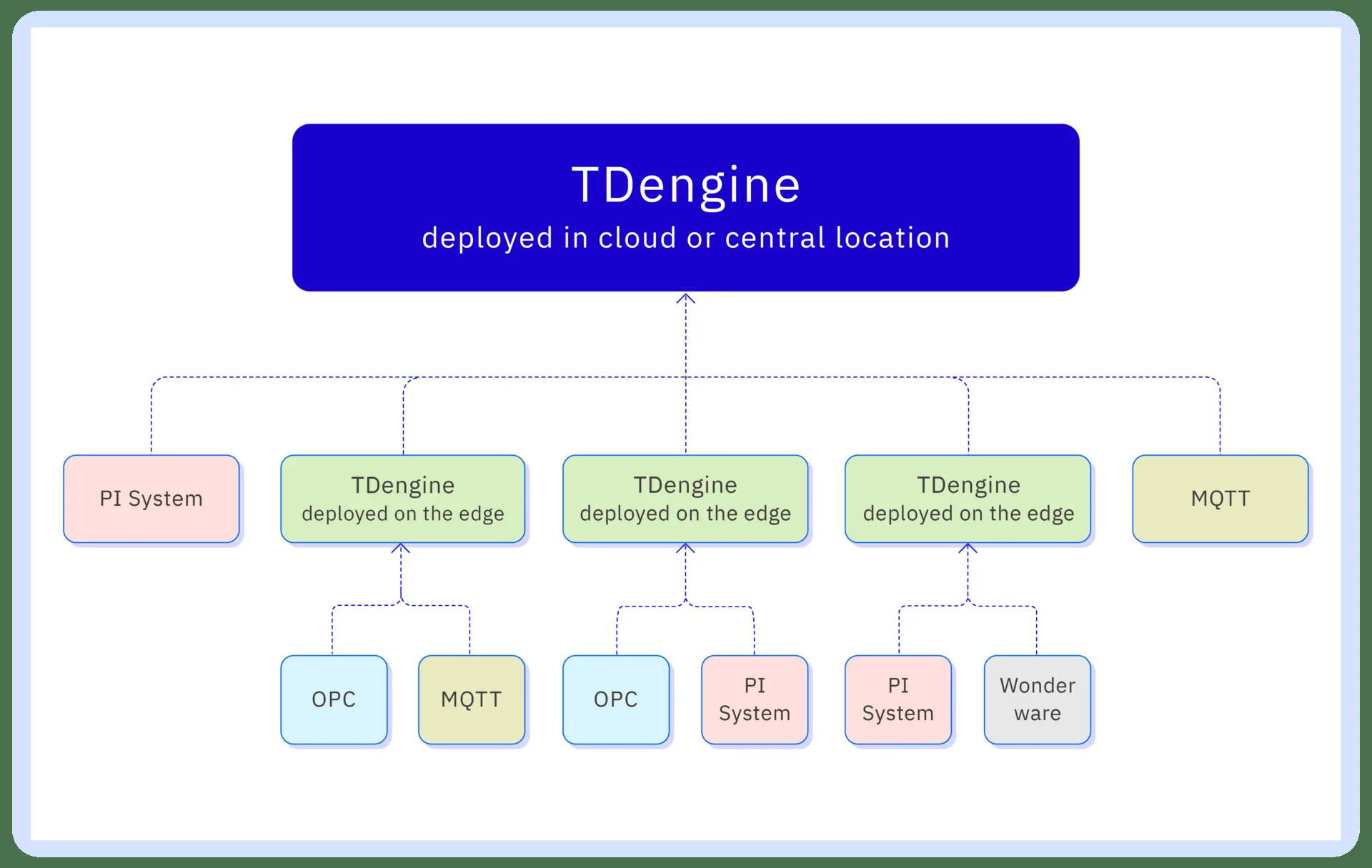
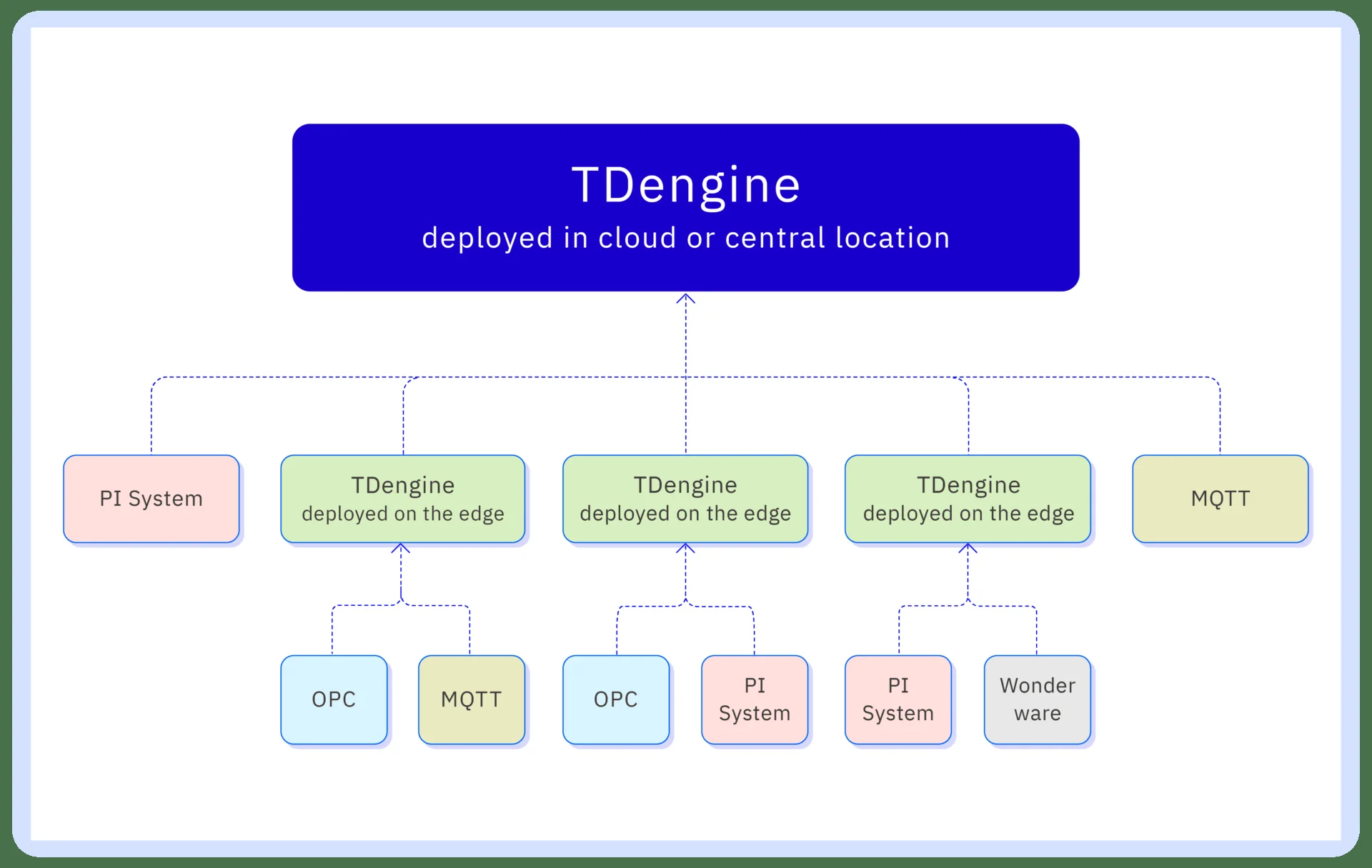
The MQTT broker shows incoming messages. Your publisher is online, and a dashboard may even display the latest value. But the historian has no new records. Where should you look first?

Start by separating five questions: Did the broker accept the message? Did the historian’s subscriber receive it? Did the ingestion process understand it? Did the database accept the write? Can you retrieve the resulting record? A successful connection answers only part of that chain.

First, capture one message you can trace

Choose a single equipment tag and publish a controlled test message through the approved production path. For example, a pump gateway might publish to plant/line2/pump07/pressure:

{

"device_id": "P-07",

"ts": "2026-10-27T08:14:23Z",

"pressure_kpa": 642.5

}

This is an illustrative payload, not a TDengine connector configuration. Record the exact topic, payload bytes, broker timestamp, publisher identity, expected destination table, and intended source timestamp. If the application supports a message or sequence identifier, capture it too.

Use a fresh test timestamp and avoid repeatedly sending an identical record while trying to diagnose missing data. Depending on the table design and write rules, identical timestamps can make a successful test hard to distinguish from an earlier write.

1. Prove broker receipt, not just publisher connectivity

A connected publisher can still use the wrong topic, publish to another broker endpoint, or receive a failed authorization result. Compare the publish event with broker-side evidence for the same topic and test interval.

Check the hostname, port, TLS listener, and environment. Development and production brokers are easy to confuse when they share similar topic names. Then inspect the broker’s accepted-message metrics or logs, where available. A publisher-side acknowledgement establishes MQTT delivery on that hop; it does not establish delivery to the historian.

If the broker has no evidence of your test message, stop here. Debugging table mapping will not help until the correct broker receives the intended publication.

2. Verify the subscriber and topic filter

Next, confirm that the ingestion client is connected to the same broker and has a successful subscription for the topic you tested. Do not treat a general connection-health check as proof of an active, matching subscription.

Work through these checks:

- Topic filter: MQTT topic matching is case-sensitive. plant/+/pump07/pressure matches one intermediate topic level; plant/# can match multiple remaining levels. A near match is still a miss.

- Subscription result: Check the SUBACK result or the connector’s subscription logs, where exposed. Connection success alone does not mean the broker accepted the requested filter or QoS.

- Identity and permissions: Confirm the subscriber’s account can subscribe to the intended topic. Publishing permission does not necessarily imply subscription permission.

- Client ID: Ensure another connection is not using the same client identifier and displacing this collector. Stable IDs matter for session recovery, but IDs must remain unique among simultaneous clients.

- Shared subscriptions: If the client uses a $share/... filter, messages may be distributed across group members. One individual collector will not necessarily see every publication.

A temporary independent subscriber using equivalent broker credentials and an appropriate topic filter can help locate the break. Use it only where operational policy permits, and avoid changing production subscription groups just to run the test.

3. Check what the ingestion process actually parses

Receiving the MQTT PUBLISH packet is not the same as extracting valid historical data. Plain MQTT does not prescribe a JSON schema, equipment identifier, or source-timestamp field.

Inspect the collector’s raw-message view or parsing preview if available. Confirm that the actual payload is JSON when the task expects JSON, then check field names, capitalization, nested objects, number types, and missing values. A message containing pressure_kpa cannot populate a mapping that looks for pressure without an explicit transformation.

Treat topic parsing separately from payload parsing. The topic may supply site and equipment identity while the payload supplies the measurement and timestamp. Both sets of fields must reach the intended mapping. Also check the destination table name and any required tags; a valid numeric value is not enough if the equipment identity or destination is unresolved.

For the test message above, verify that ts is interpreted as the intended instant, not as an arbitrary local-time string. A rejected, null, or out-of-range primary timestamp can make the write fail even while message intake continues.

4. Follow the write path and its errors

Now inspect the ingestion task and database sink. Is the task processing source messages? Are accepted records moving toward the target? Are write errors or queue backlogs increasing?

A useful symptom map is:

For example, TDengine’s Enterprise MQTT ingestion connector is configured in taosExplorer and uses taosX to subscribe to broker topics, parse message or topic fields, and map results into TDengine tables. Its task status and health information help distinguish source problems from sink errors. A task marked Running does not, by itself, prove that the expected historical row was committed.

The connector also documents exception strategies such as archiving invalid records, discarding them, reporting errors, or caching in supported failure cases. Check the configured strategy before interpreting a quiet task as healthy. A discarded record may not produce a visible row, while a cached record may not yet be available to a query.

The appropriate destination for validated historical records is a time-series store such as TDengine TSDB; the MQTT broker alone is not that final destination. Connector features and availability depend on the product edition and deployment, so check the current MQTT ingestion documentation before relying on a specific control.

5. Query the right history, then compare the counts

After the ingestion task reports successful writes, query the actual target database and table. Use a time window that includes the source timestamp, not just the moment you published the message. During replay or retry, those two times may differ substantially.

Verify the selected subtable or equipment tag and inspect the exact measurement column. A record can exist in the wrong destination or under an unexpected timestamp while a dashboard querying a different slice remains blank.

For a controlled test, compare five pieces of evidence: one published message, one broker receipt, one subscriber receipt, one accepted write, and one queryable historical record. If any count diverges, focus on the boundary immediately before the divergence. Avoid concluding that QoS is the problem merely because the final row is missing.

Keep the diagnostic path reproducible

When the immediate issue is resolved, preserve the test topic, approved payload example, mapping version, task logs, and query that demonstrated success. Repeat the test after topic changes, credential rotation, schema updates, and connector upgrades.

For other industrial source protocols, the same principle applies: a working connection is not proof of complete history. Our OPC UA connected-but-no-historian-data troubleshooting guide uses a similar source-to-storage verification approach, with OPC UA-specific failure points.

The fastest MQTT investigation is not a search for one magic setting. It is a trace of one known message through each boundary until you can explain exactly where the expected historical record disappeared.

Class (B2B/B2C)
B2B
Ingest Status
Rewritten
Dedupe hash
9a89daaec9c5e84e225528827a899f5d
Press Eligible
Yes
Press Eligible Reason
Technical MQTT-to-historian troubleshooting guide for industrial data professionals, with relevant database and connector details.
Source Name
TDengine
Original Summary

The MQTT broker shows incoming messages. Your publisher is online, and a dashboard may even display the latest value. But the historian has no new records. Where should you look first? Start by separating five questions: Did the broker accept the message? Did the historian&#8217;s subscriber receive it? Did the ingestion process understand it? Did ... <a class="read-more" href="https://tdengine.com/mqtt-broker-messages-not-reaching-historian/&quot; title="Why Are MQTT Messages Reaching the Broker but Not the Historian?">Read more</a>

Image URL
https://eujqw4hwudm.exactdn.com/wp-content/uploads/nh-0326-02.png
Source Node
Content Hash (SHA-256, erste 32 hex)
e58a7b934488c1f7c121bb1ba407e33e
MQTT Broker vs. Historian: Why Message Delivery Is Not Data History
Image File
Original HTML

An MQTT broker moves application messages between publishers and subscribers. A historian preserves time-indexed records so engineers can query, trend, aggregate, and investigate them later. These responsibilities are complementary, but they are not interchangeable.

A broker can deliver messages reliably and still leave gaps, duplicates, or unusable rows in the historian. Conversely, a historian can retain years of data even though it did not participate in the original device-to-broker delivery. The architecture becomes easier to validate when each component has a clear job.

Broker and historian responsibilities

The distinction is architectural, not a judgment that one component is more important. The broker decouples systems in motion. The historian makes selected data durable and useful after the message exchange is over.

Why broker retention is not historical storage

MQTT includes several storage-related mechanisms, but none turns the protocol into a historian.

A retained message is the broker’s current retained message for a topic. A new matching subscriber can receive it immediately instead of waiting for the next publication. Replacing that retained message normally replaces the prior retained state; it does not create a queryable series of every value.

A persistent session can preserve subscriptions and eligible queued or unacknowledged messages while a client is offline. Its purpose is to continue a messaging session. Session expiry, broker capacity, message expiry, and administrative policy can all limit what remains available.

Broker persistence protects broker state across restart according to the broker’s implementation and configuration. It can be essential for reliable messaging, but it still does not define table schemas, engineering timestamps, years-long retention, SQL queries, aggregates, or audit-ready change history.

What happens after the broker delivers a message

Once a subscriber receives a message, several steps remain before usable history exists:

- The subscriber must accept the correct topic and payload version.

- Parsing must extract equipment identity, measurement values, units, quality, and timestamps.

- Mapping must send those fields to the intended database, table, columns, and tags.

- The write path must handle timeouts, retries, duplicate messages, and rejected records.

- Storage must commit the record and retain it under an explicit data policy.

An acknowledgement at the MQTT layer does not verify the last four steps. Even QoS 2’s exactly-once behavior applies to one MQTT sender-receiver delivery flow, not to the subscriber’s database transaction.

This is also why a “connected” dashboard is weak evidence. It proves that some part of the live path works. It does not prove that every source message became one correct, durable row.

Historical integrity depends on data decisions

The ingestion layer creates the boundary between message delivery and history. Five decisions have an outsized effect.

Schema mapping

Plain MQTT does not define an industrial payload schema. A topic and payload may identify a site, compressor, pressure value, unit, and operating state, or leave some of those meanings implicit. The ingestion process must validate the payload version and map each field consistently.

Timestamp selection

The time the broker receives a message, the time the collector processes it, and the time the device measured the value can differ. During an outage, replayed values may arrive minutes or hours late. A historian needs a rule for event time, ingestion time, clock quality, time zone, and invalid timestamps.

Duplicate handling

QoS 1 permits duplicate delivery. Application retries and database retries can also repeat data independently of MQTT. A source sequence number, stable event ID, or appropriate database key can help distinguish a retransmission from a legitimate repeated value.

Retention and recovery

Broker queue limits protect a messaging service; historian retention rules protect long-term records. The system must define how much data can be buffered at the source, broker, and collector, how replay is ordered, and what evidence confirms recovery.

Query behavior

Historical usefulness depends on more than storage. Engineers need to filter by asset and time, aggregate intervals, compare operating periods, and detect gaps. Those are database and data-model responsibilities, not MQTT delivery semantics.

A concise industrial architecture example

Consider three compressed-air stations publishing pressure, flow, power, and compressor state to a central broker. Maintenance dashboards and alerting services subscribe for current operations. A separate ingestion service subscribes to the same approved topics, validates the JSON schema, extracts and validates source timestamps when available, and writes the measurements to a historian.

If a dashboard is offline, a persistent session may help it receive eligible queued messages later. If the historian ingestion service is offline, broker queues may reduce loss within configured limits. If a station loses its upstream connection, neither mechanism captures measurements unless the station or gateway buffers them locally.

After reconnection, the ingestion service must still replay in a controlled way, reject invalid payloads visibly, and prevent retries from corrupting historical totals. The broker and historian solve different parts of the same pipeline.

When both components belong in the design

Use a broker when several producers and consumers need decoupled, topic-based message exchange. Use a historian when operations require durable records, time-based queries, governed retention, and analysis across equipment and sites. Most industrial MQTT architectures need both, plus an ingestion layer with explicit transformation and recovery rules.

The separate decision between source protocols is covered in OPC UA vs. MQTT for industrial data collection. Once MQTT is selected, the broker-versus-historian boundary still has to be designed.

TDengine documents an Enterprise MQTT ingestion connector that subscribes to broker topics, parses topic and payload fields, maps them to tables, and writes them into TDengine. This is an inbound collection path; TDengine’s outbound MQTT publishing capability is separate. In an architecture using TDengine TSDB for time-series storage and queries, the broker remains the message-routing component while the connector and database create durable history.

Validate the complete pipeline

Before deployment, verify the system with evidence from source to query result:

- Record the owner and retention limit of every source, broker, and collector buffer.

- Compare published message counts, subscriber receipts, accepted writes, rejected writes, and stored rows.

- Interrupt each connection and component, then verify replay order, duplicates, gaps, and recovery time.

- Query representative periods using the source timestamp and confirm late data appears where engineers expect it.

- Alert separately on broker health, ingestion lag, mapping failures, database write failures, and historical gaps.

The pipeline is complete only when a source event can be traced to a correct stored record and retrieved through the intended historical query.

Class (B2B/B2C)
B2B
Ingest Status
Rewritten
Dedupe hash
fbe9e4d87bdbc0c9242fb3b237ea6b5d
Press Eligible
Yes
Press Eligible Reason
Manuelle Prüfung nötig. Risiko: LOW. Flags: ['none']. Stichprobe: True
Source Name
TDengine
Original Summary

An MQTT broker moves application messages between publishers and subscribers. A historian preserves time-indexed records so engineers can query, trend, aggregate, and investigate them later. These responsibilities are complementary, but they are not interchangeable. A broker can deliver messages reliably and still leave gaps, duplicates, or unusable rows in the historian. Conversely, a historian can ... <a class="read-more" href="https://tdengine.com/mqtt-broker-vs-historian/&quot; title="MQTT Broker vs. Historian: Why Message Delivery Is Not Data History">Read more</a>

Image URL
https://eujqw4hwudm.exactdn.com/wp-content/uploads/nh-0326-02.png
Source Node
Content Hash (SHA-256, erste 32 hex)
4093c0669abf1382ce2c3d422098aa30