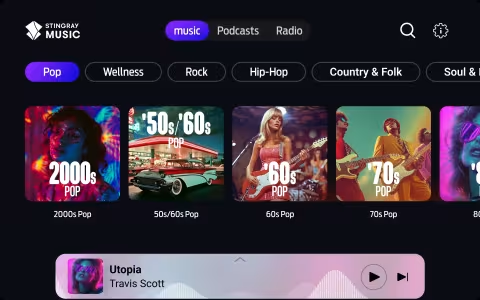
North America – November 03, 2026 -- Ford and Lincoln drivers in the U.S. and Canada will get new in-vehicle audio apps powered by Stingray starting in October, as automakers lean on infotainment to differentiate software-defined vehicles.
Stingray built a Ford karaoke app for passengers
Stingray worked with Ford on a karaoke experience that lets passengers in the front or rear seats sing along while the vehicle is moving. The same app can be used on the in-vehicle screen while parked. Stingray's in-cabin portfolio also includes OEM Audio, ZenLife and TuneIn.
Stingray builds its apps for AAOS, AOSP and HTML environments, or delivers them via API. The company cites nearly a decade of in-vehicle infotainment deployments worldwide.
Automotive software market projected to reach $80 billion by 2030
One projection cited by Stingray puts the global automotive software market at roughly $31 billion in 2019, growing to about $80 billion by 2030 at a compound annual growth rate of around 9.4%. A second analysis estimates the segment could reach about $66 billion by 2030, driven by connected-car and advanced driver-assistance adoption.
Stingray argues that infotainment now sits at the center of vehicle differentiation. In its view, it supports data connectivity packages, gives dealers a stronger showroom experience, builds brand loyalty and can generate revenue for automakers through advertising and subscriptions.
TuneIn acquisition expands Stingray's global audio footprint
Stingray says the TuneIn acquisition made it the largest independent connected music and audio company worldwide. Its catalog spans licensed music channels, radio streaming, interactive formats and video content.
The company has also announced a partnership with Mercedes-Benz to reshape in-car entertainment. The source does not give terms or a timeline.